Selected Artist
About
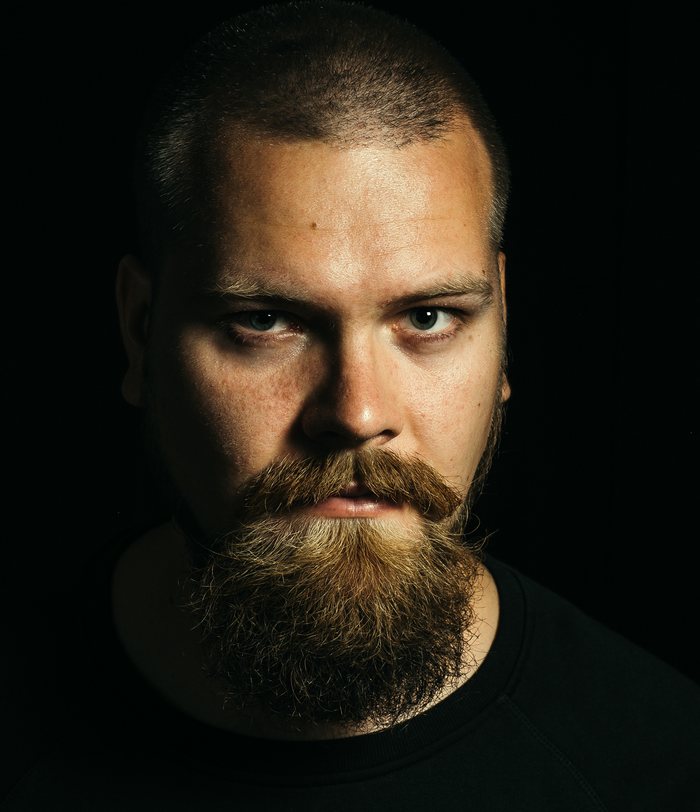
Jukka Virkkunen (b. 1986) is a Finnish painter working between London, Helsinki and Brazil. He completed an MA in Painting at the Royal College of Art in London in 2020.
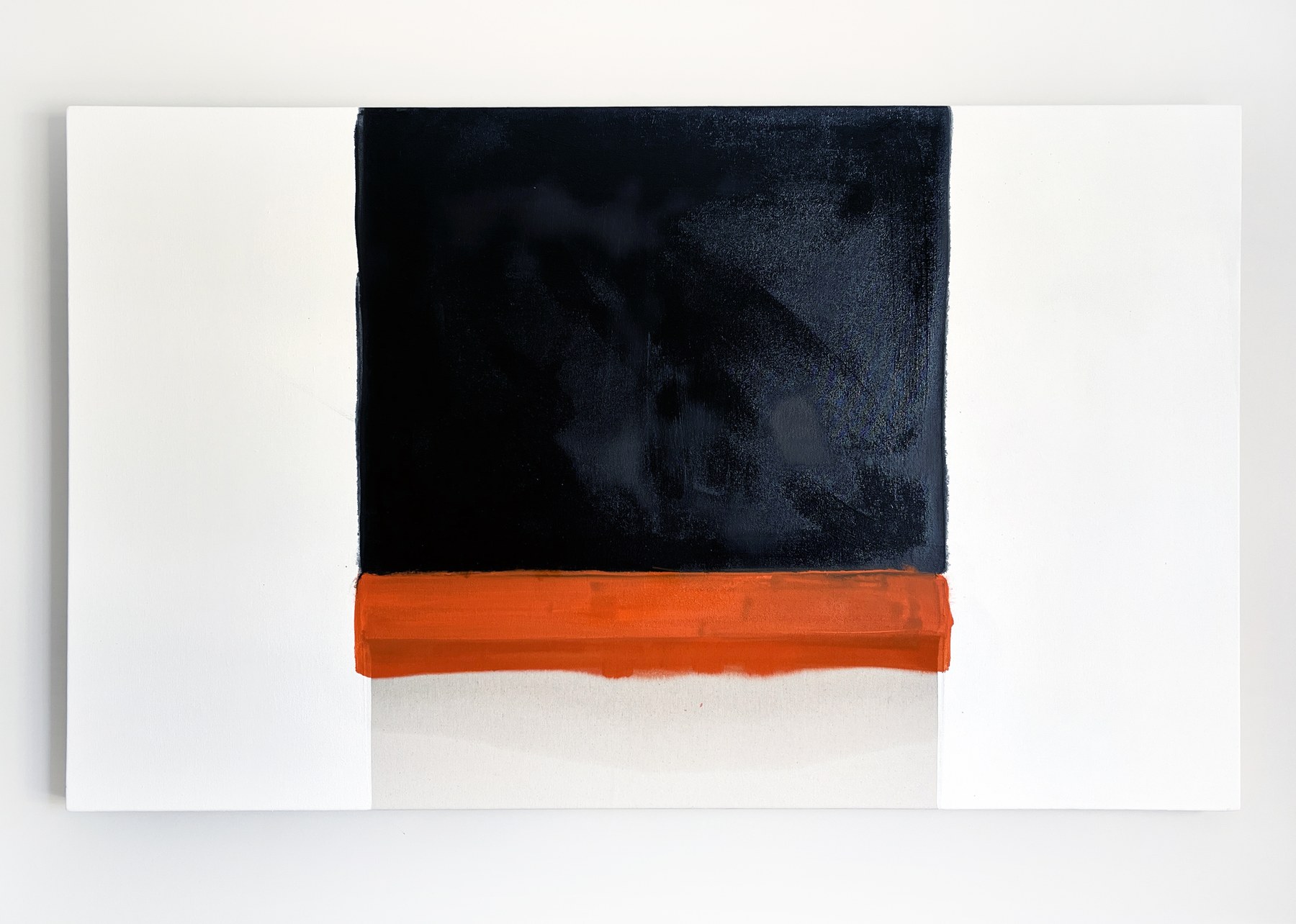
In his practice, Virkkunen explores geometric abstraction and minimal forms. His artistic research investigates the oscillation between being and non-being, articulating presence and absence as constitutive elements of the work.
The applied colours and the forms created on the surface of the canvas have the same relevance as the refusal of the gesture, the act of not marking, and the permanence of the canvas in its raw state as a poetic and conceptual procedure.
Colours used are based on art history and the forms are always hand-drawn. This restraint allows him to explore composition, mark-making and colour — the geometry itself isn't the subject; it's the vessel.
The compositions of Virkkunen's paintings come from what he encounters in his life: light and shadow, weather, cemeteries, forests and architecture. Geometry gives the paintings order and structure so that emotions can emerge.
“I'm not depicting specific places. Rather, I'm creating paintings that feel like encountering something long known but forgotten.”
Selected works
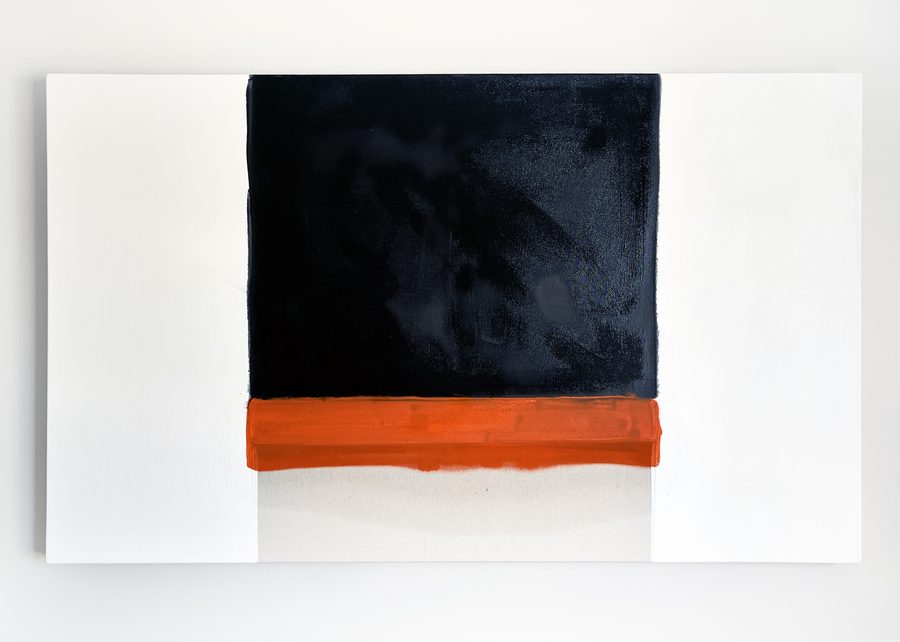
Deep-Breath, 2025, 137×83 cm
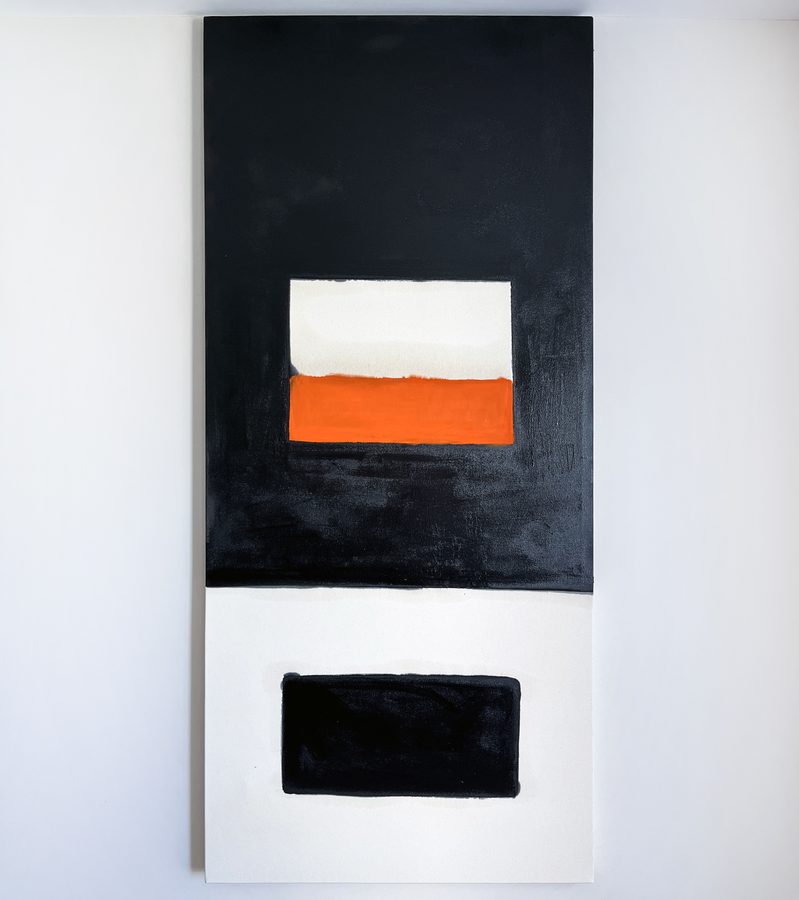
Equals, 2025, 87×197 cm
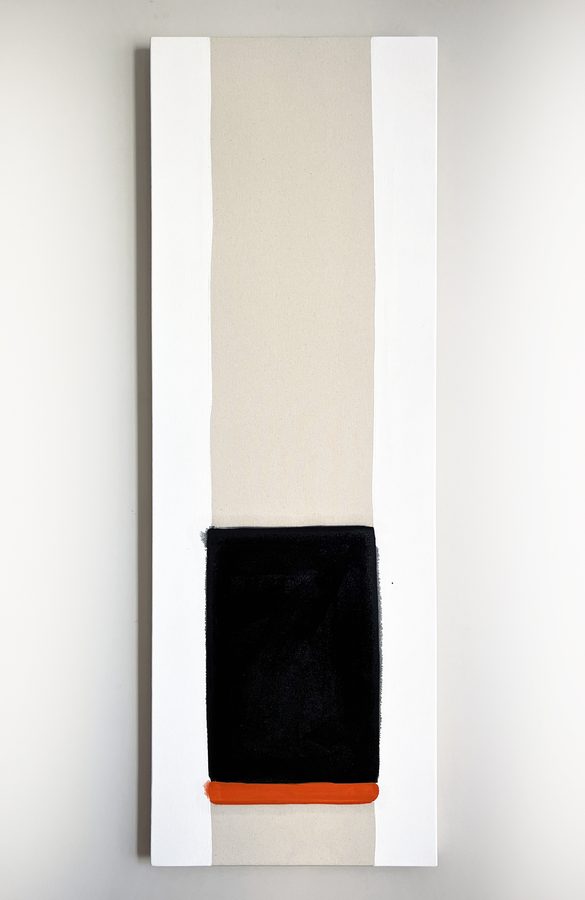
Pathway, 2025, 55×155 cm
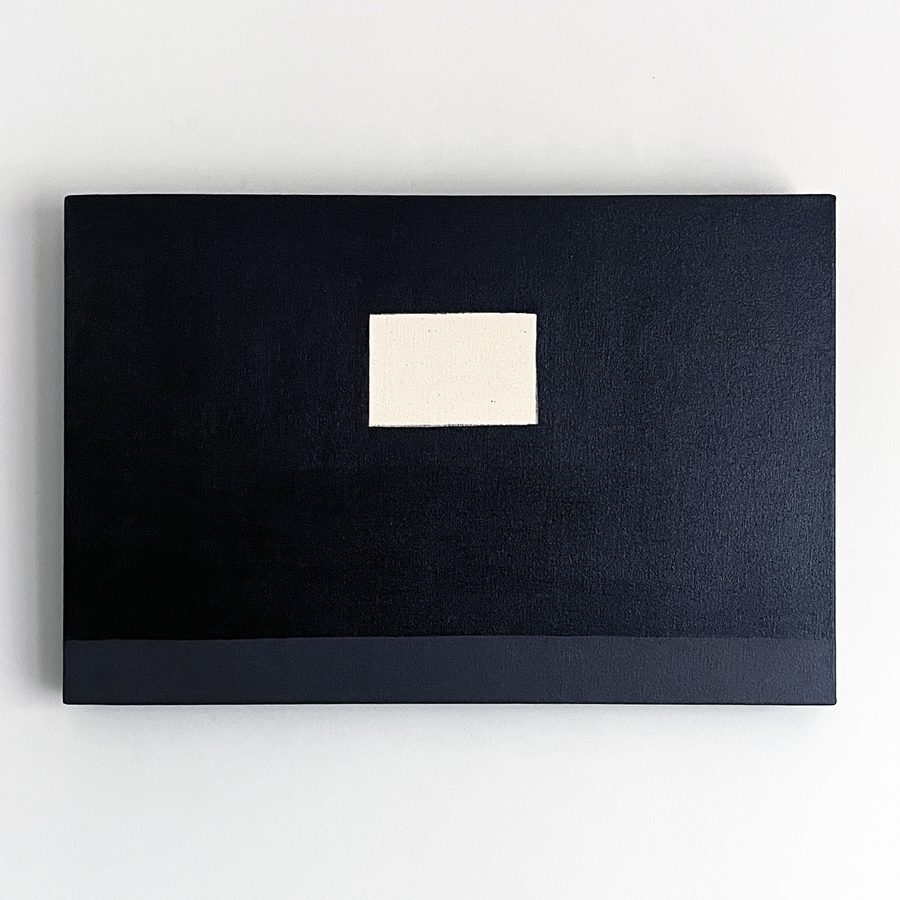
Slow Rituals, 2026, 60×40 cm
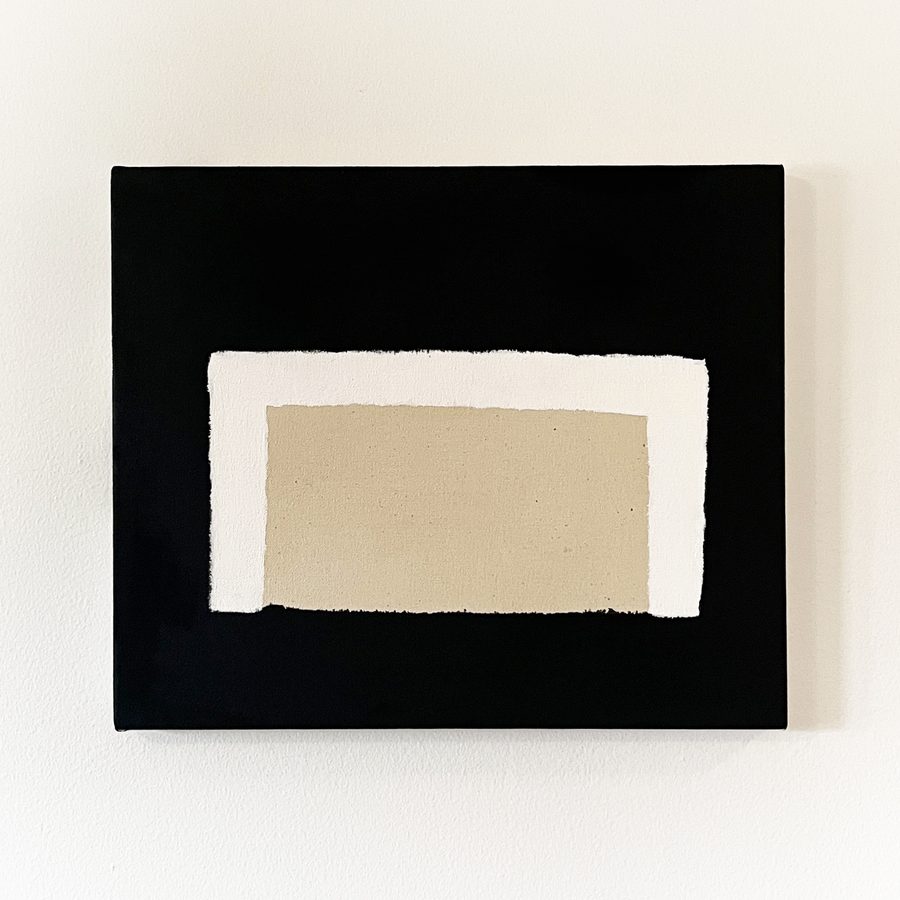
Stone Lantern, 2025, 46×38 cm
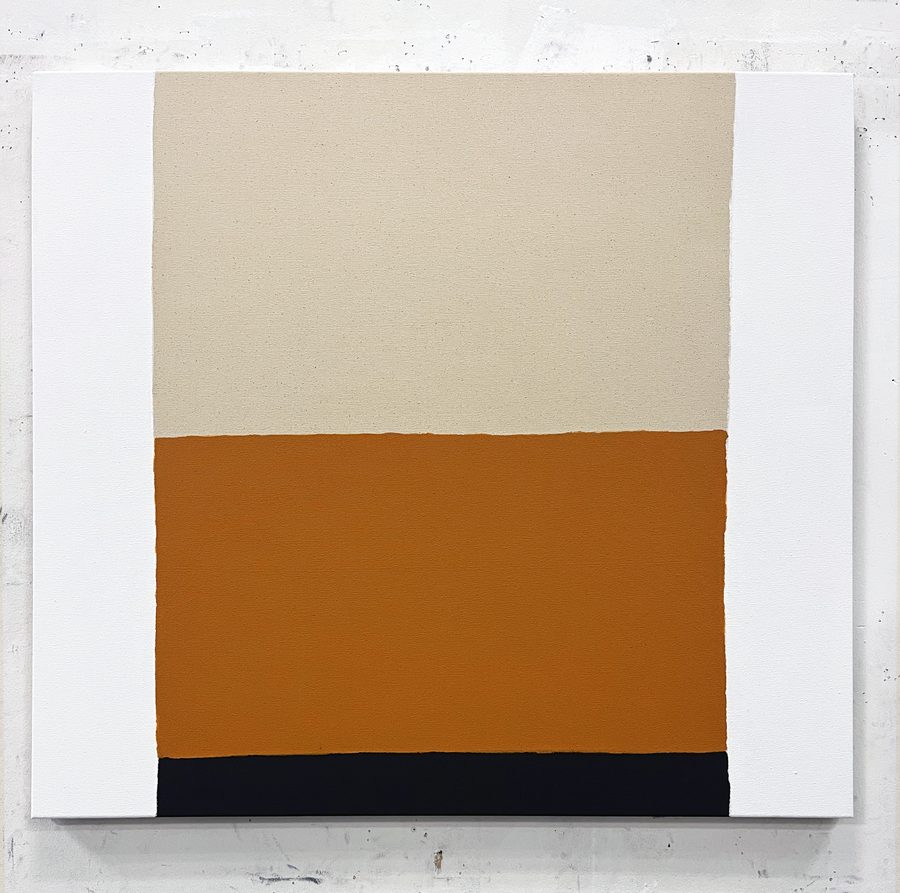
Summer Solstice, 2025, 100×90 cm
Q & A
Is geometry a constraint or a freedom for you — and has that answer ever changed?
I've always found that geometry gives structure and order to my work. I'm not interested in geometry for geometry's sake, if that makes sense. I see geometry as a vessel that delivers the ideas and emotions I'm trying to convey with my paintings. So I'd say geometry is a constraint I've imposed on myself, and that constraint gives me the freedom to explore colour and emotion.
Walk us through your process — where does a piece begin, and how do you know it's finished?
Compositions and ideas for my paintings always come from somewhere outside my studio. Everything from a shadow on a wall, a stack of stones in a forest, or how beams and columns have been laid in a building can become the initial spark for a composition. I usually draw these ideas in my notebook or take a photo of the location. Then in the studio I start exploring the idea through drawing, watercolour, and digital sketches.
Once I start the painting process, I'd say 90% of the composition is already solved. During the painting, the paint or colours might suggest something different, and I change the composition on the fly.
I think the painting is finished when everything feels right, when adding something would make the composition collapse. Since my compositions are formed from very few elements, each form and its proportions in relation to the other shapes and the canvas become quite important. Having the right proportions and tension between forms is essential. Once I get those right, I know the painting is finished.
Is there something outside of art — a system, structure, or phenomenon — that quietly shapes how you think about form?
I've been recently interested in the concept of "secular sacred." I find certain objects, for example, from the Finnish craft tradition, to be spiritual. A handmade wooden chair bearing signs of wear can evoke a sense of the sacred. In my compositions and colour choices, I'm trying to capture that kind of emotion.
What does a viewer miss when they see your work as 'just geometry'?
Even though the works are formed from just a few colours and shapes, if you stop and give the paintings time, you can feel something human within them.
What's the last rule you set for yourself in the work, and did you keep it?
One rule I have is that all compositions are painted by hand, without mechanical aids, no rulers, guide lines, or masking tape. I do my best to make the shapes straight, but I never manage to make things perfectly "square," and that's what interests me: the signs of the human hand, the imperfect shapes.
Describe a failure or a dead end in your practice — something that didn't work.
In the past, I've tried to make overly complex compositions with too many elements and colours. Then I try to fix them once I've started painting, and things only get worse. So nowadays I try to reduce compositions to the bare minimum that still conveys the emotions I'm looking for.
Newsletter
Curated open calls and one artist to know, every couple of weeks. Free, no spam.