Selected Artist
About
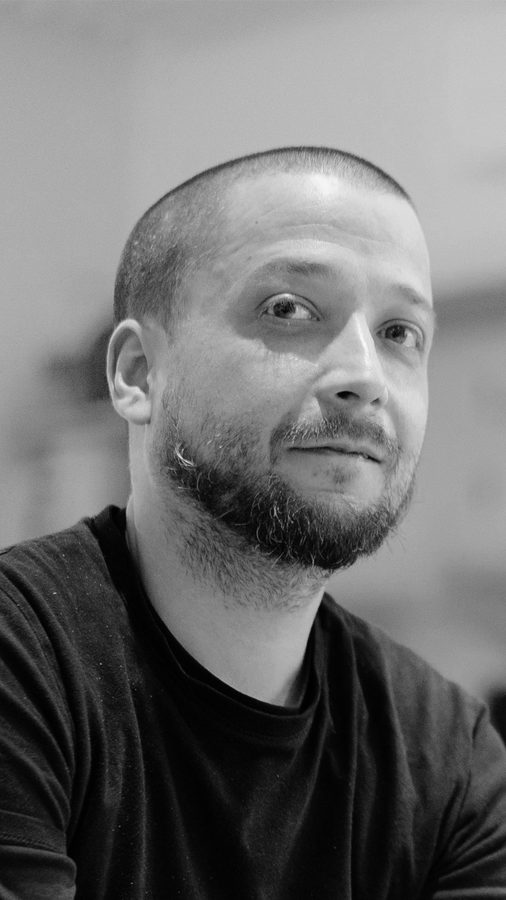
Ágoston Nagy is an artist, educator and researcher, primarily exploring the boundaries between algorithmic systems and intuitive thinking. In addition to code-based, audiovisual artworks, he also creates physical installations and paper-based mechanical plotter drawings. Having conducted international workshops in computational art, systems thinking, creative coding practice and various media techniques across the EU, US, Canada, and Asia, Nagy has shared his expertise on a global scale, with the results of these workshops frequently published in academic conference proceedings. His works have been exhibited at numerous prestigious institutions, including the Massachusetts Institute of Technology, the Zentrum für Kunst und Medien (ZKM) in Karlsruhe, EXPANDED.ART Gallery in Berlin, the Finnish National Gallery, and the Ludwig Museum in Budapest. Currently, he is a lecturer at Moholy-Nagy University of Art and Design in Budapest.
Selected works
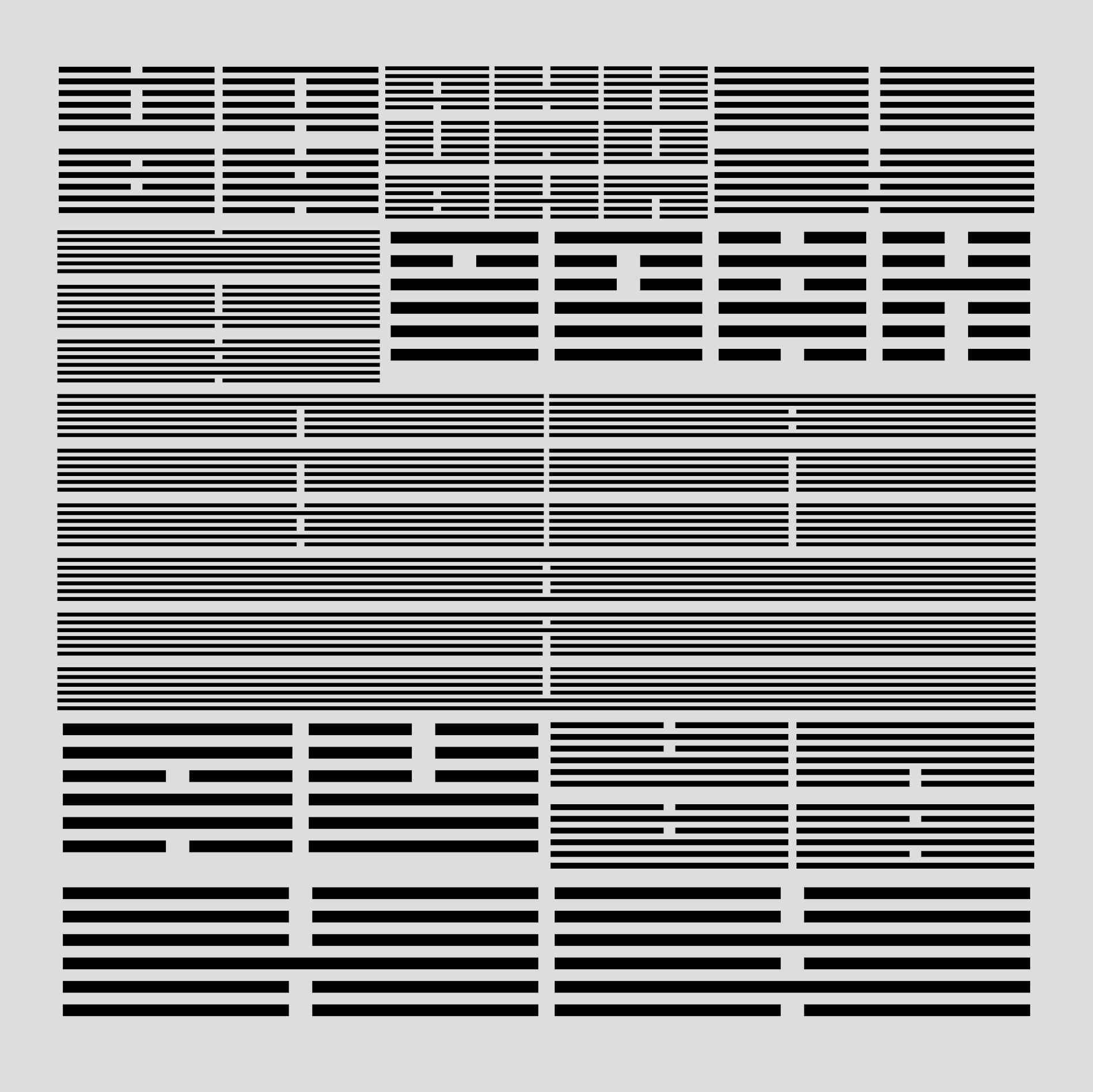
Intervals, 2026 — Generative NFT (GLSL)
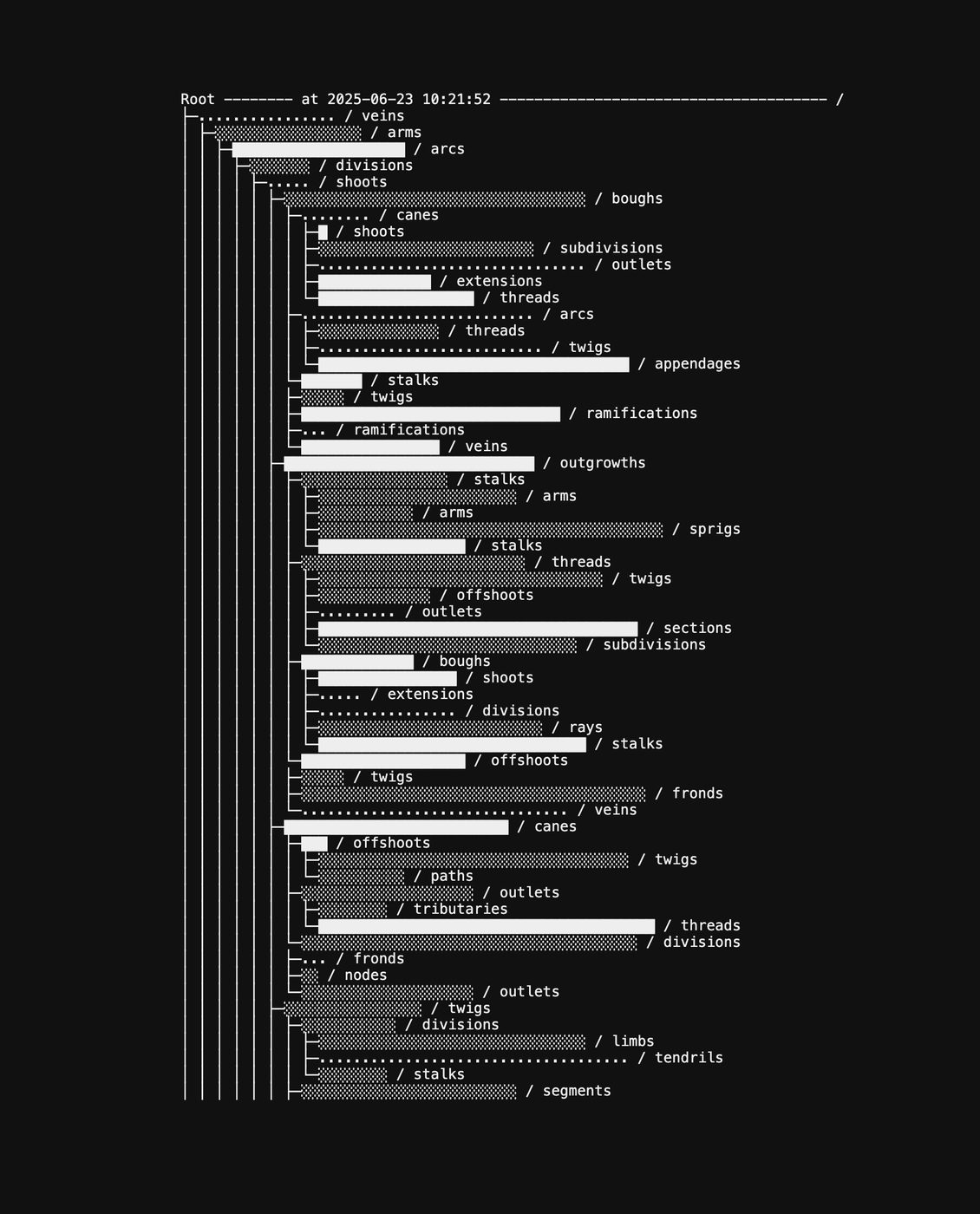
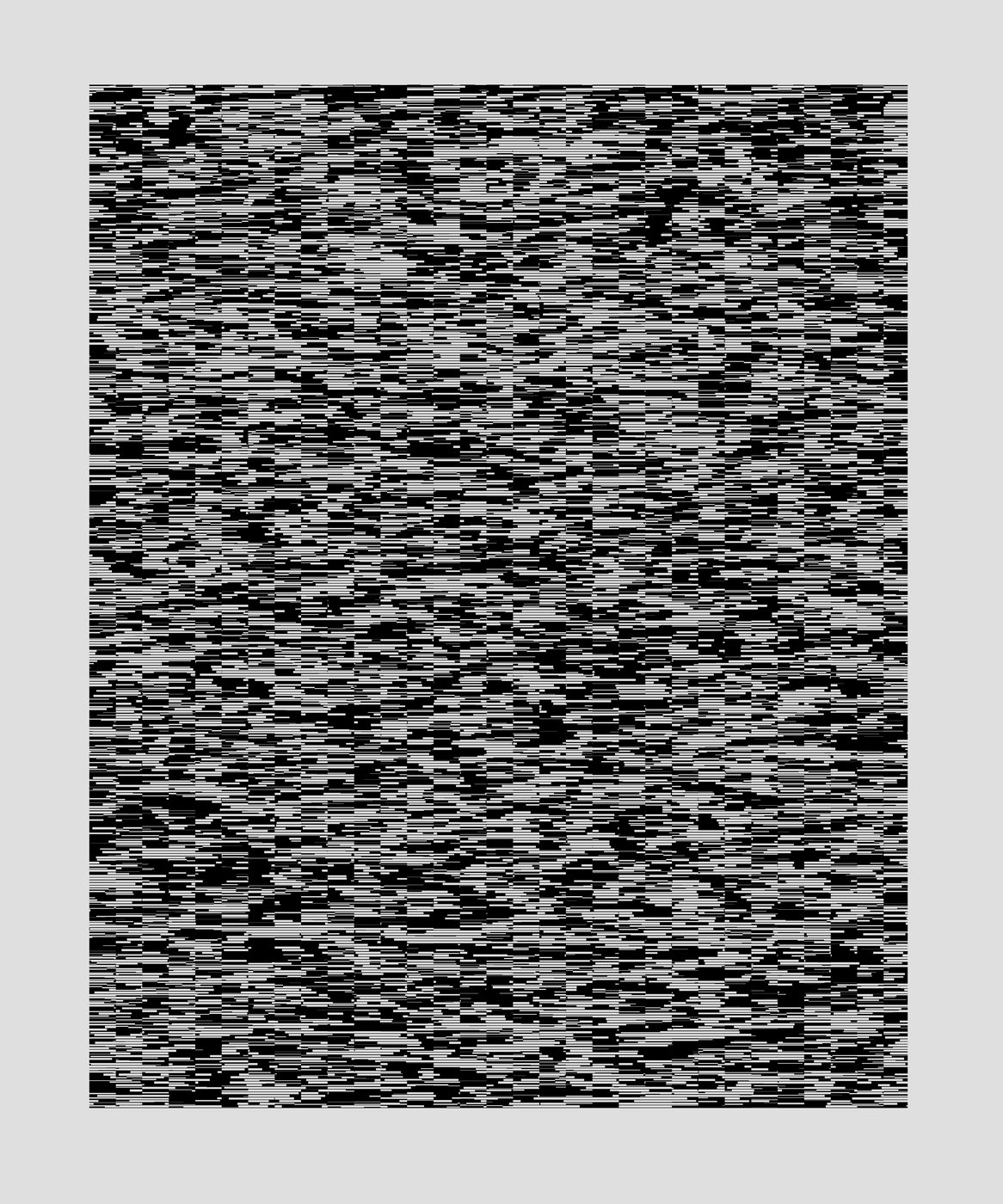
N-Finite Tree (part of M3MP%L), 2025 — Generative NFT (HTML DOM)
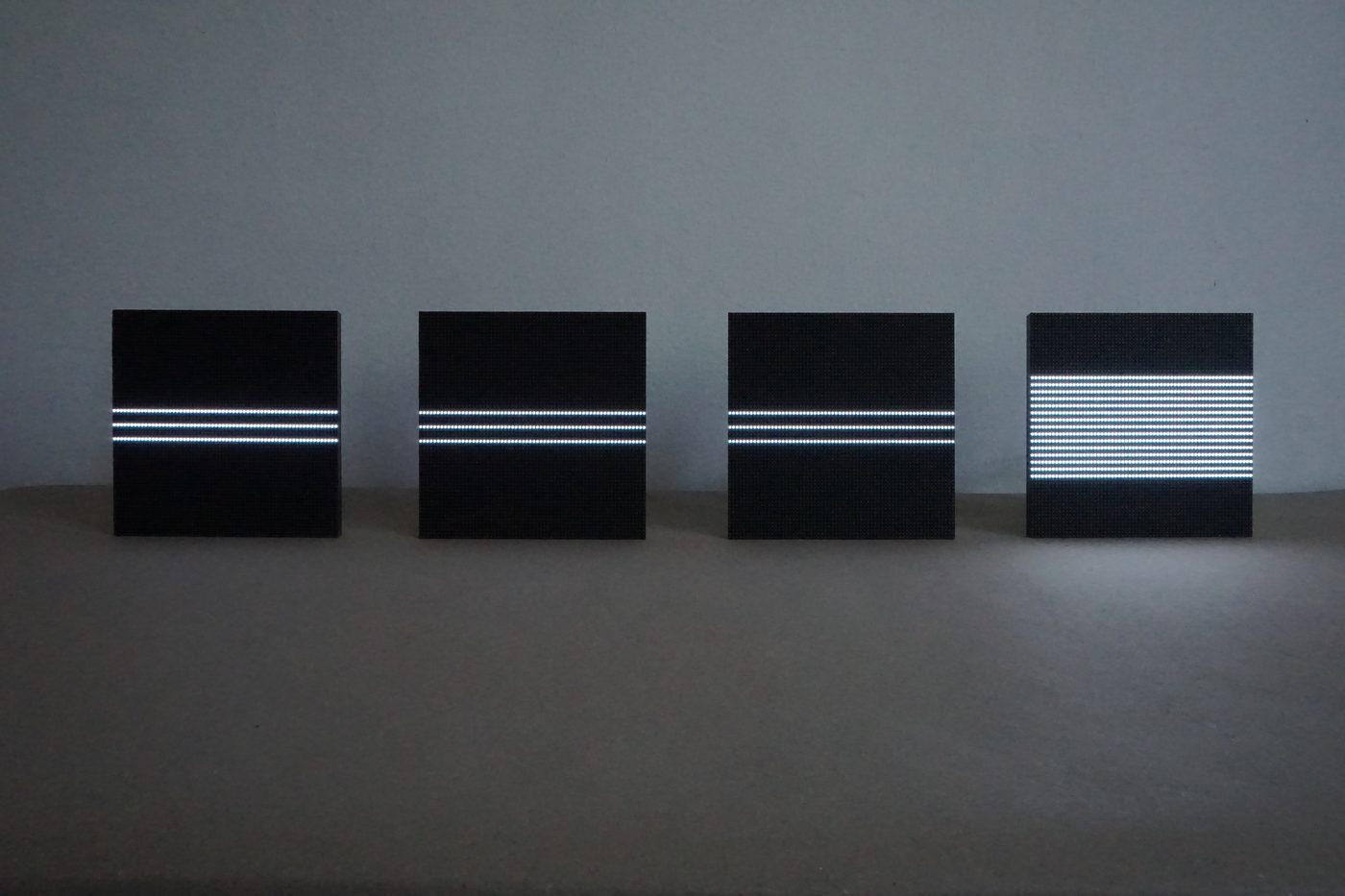
L1NK, 2026 — Algorithmic installation (LED panels & sound; Python, Pure Data)
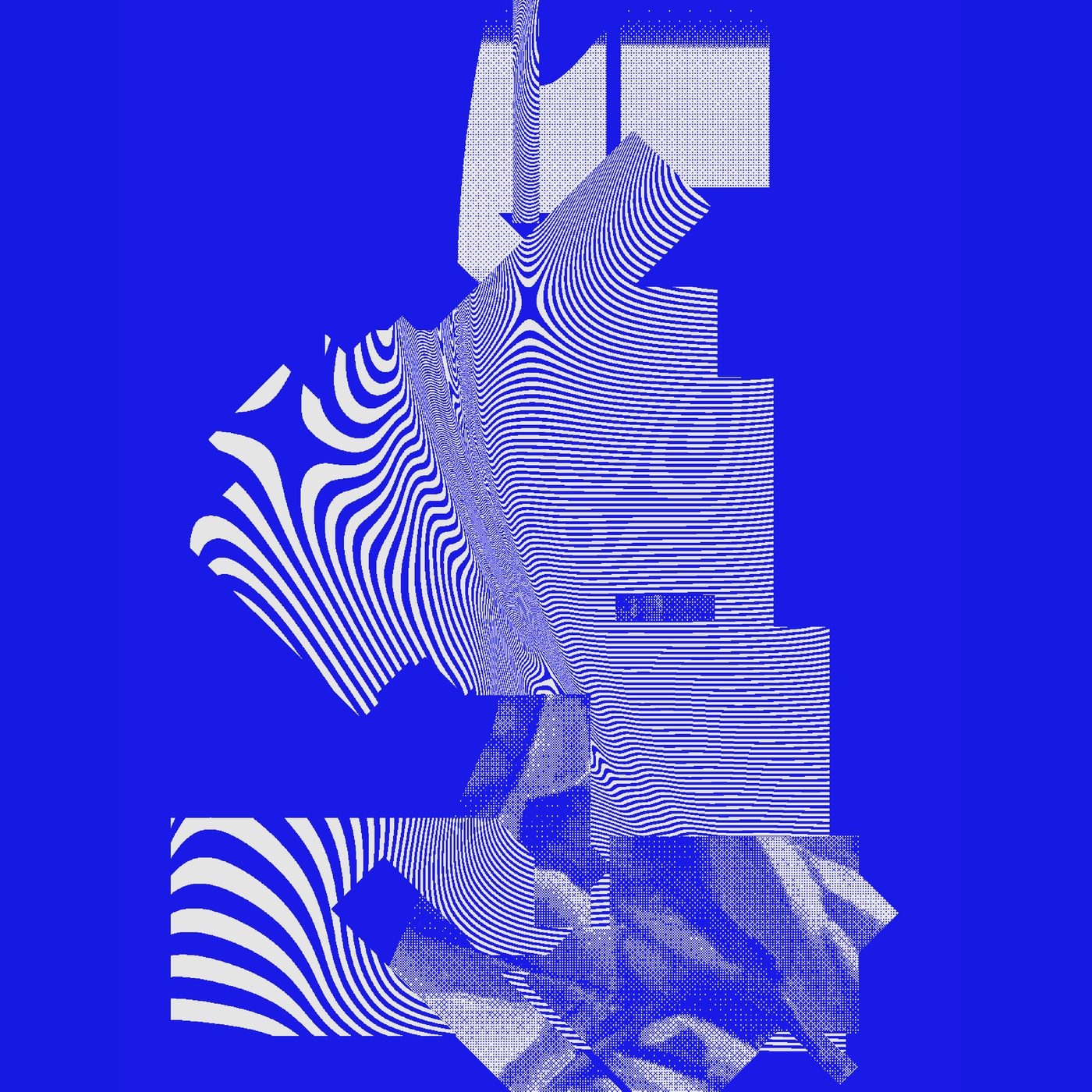
re-frame, 2024 — Generative NFT (Javascript, GLSL)
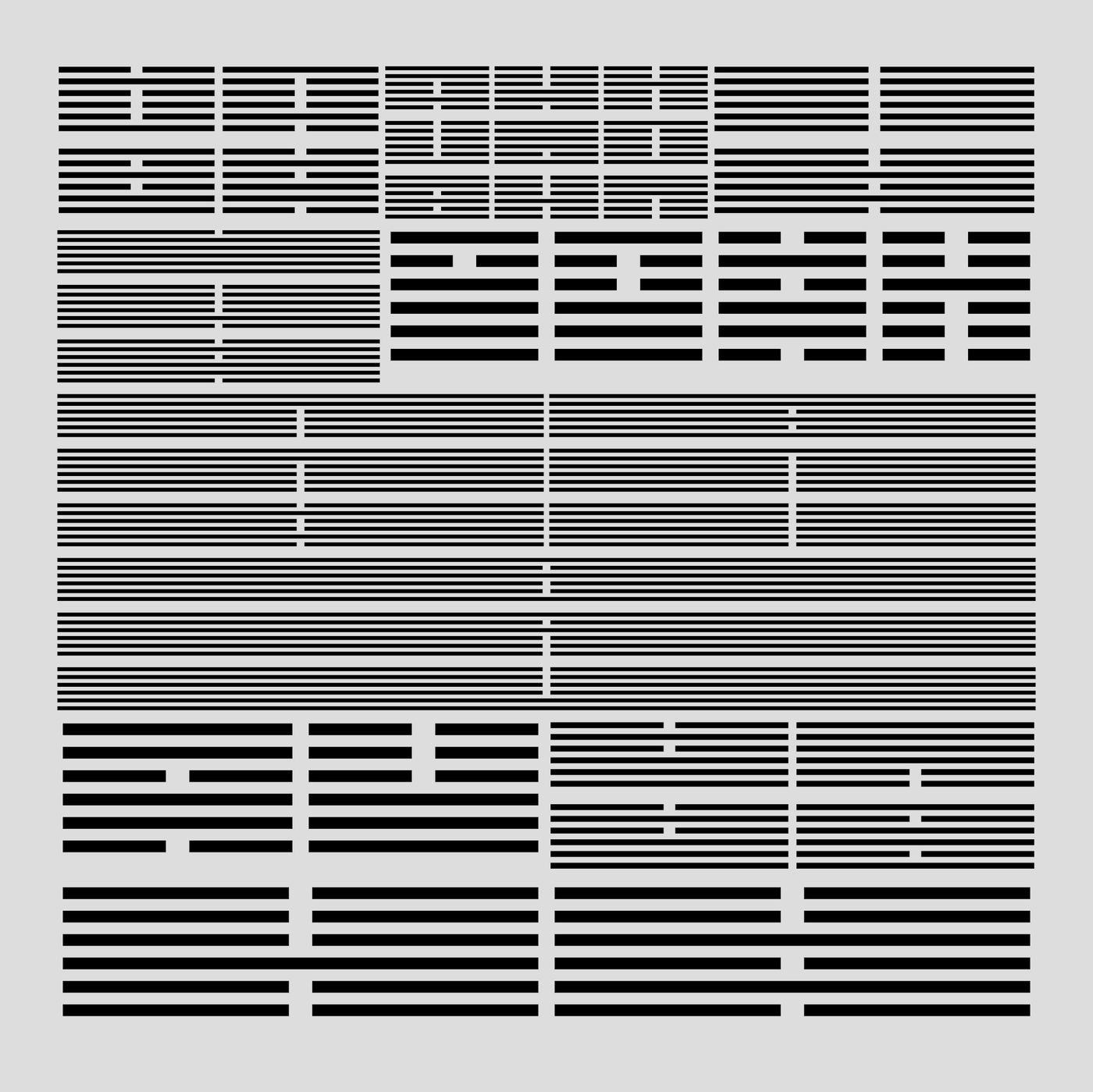
H3X, 2025 — Generative NFT (Javascript)
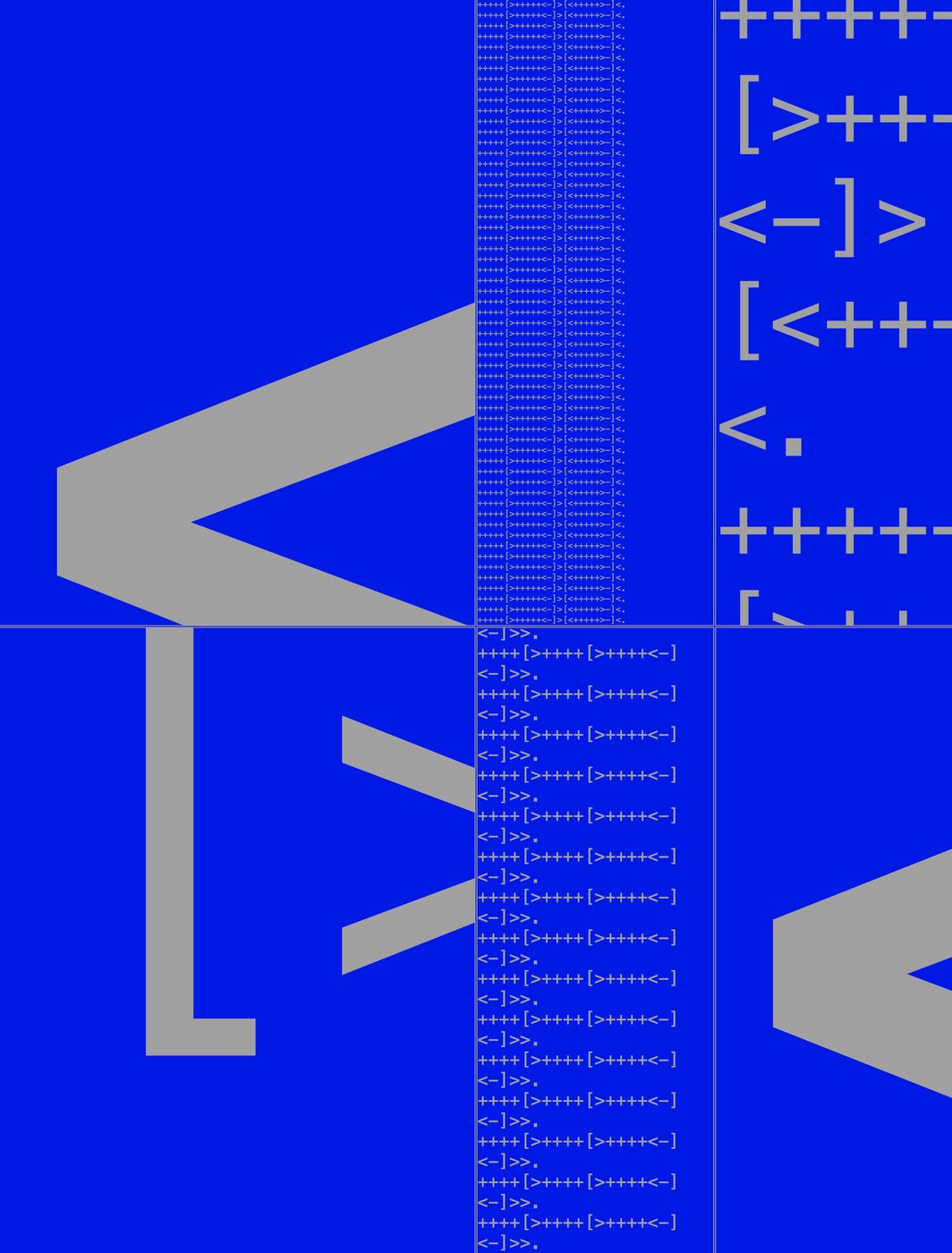
+/-, 2026 — Generative NFT (HTML DOM)
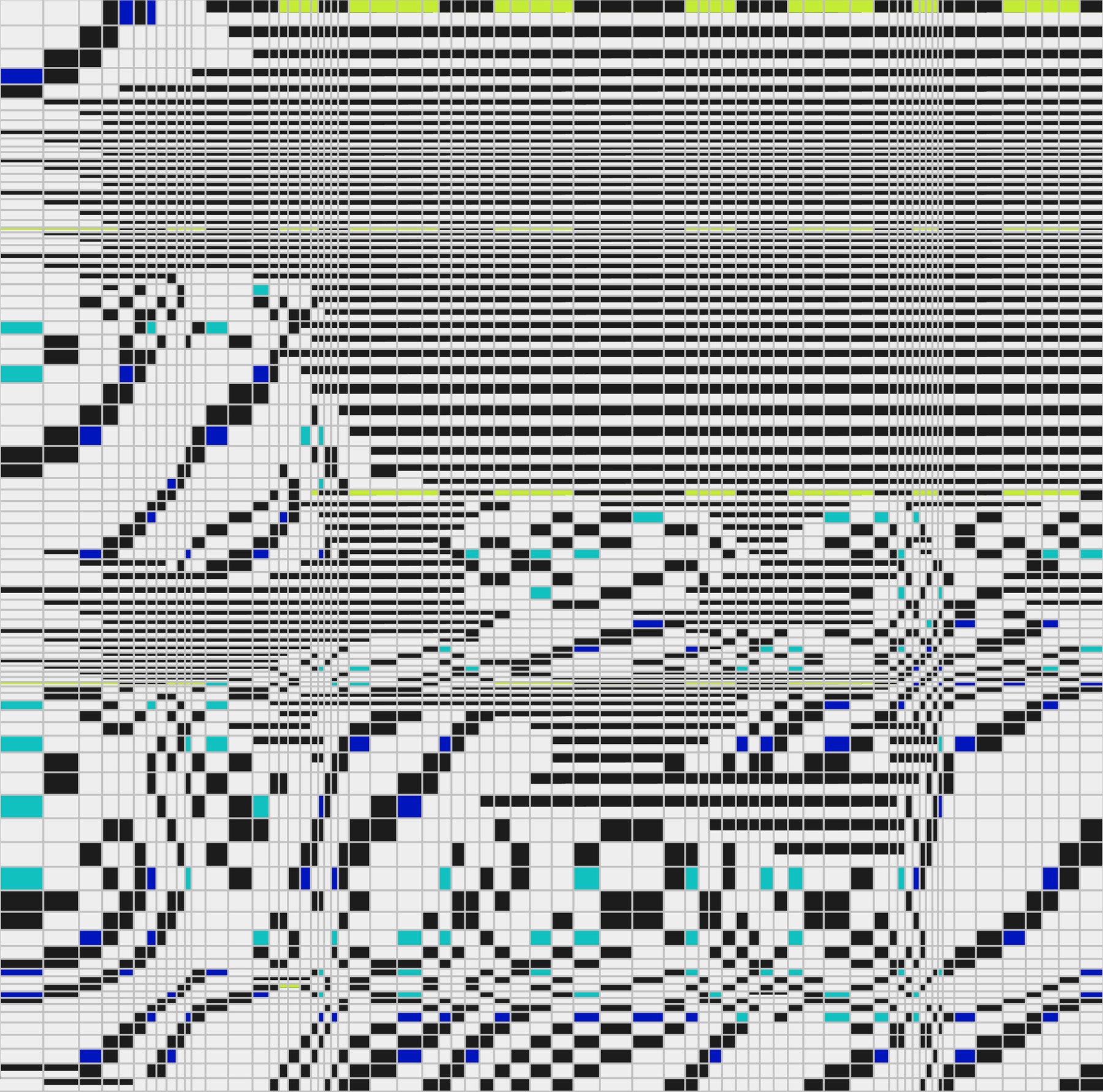
DR1FT, 2025 — Algorithmic Patterns & Digital Sound (Generative NFT, Javascript)
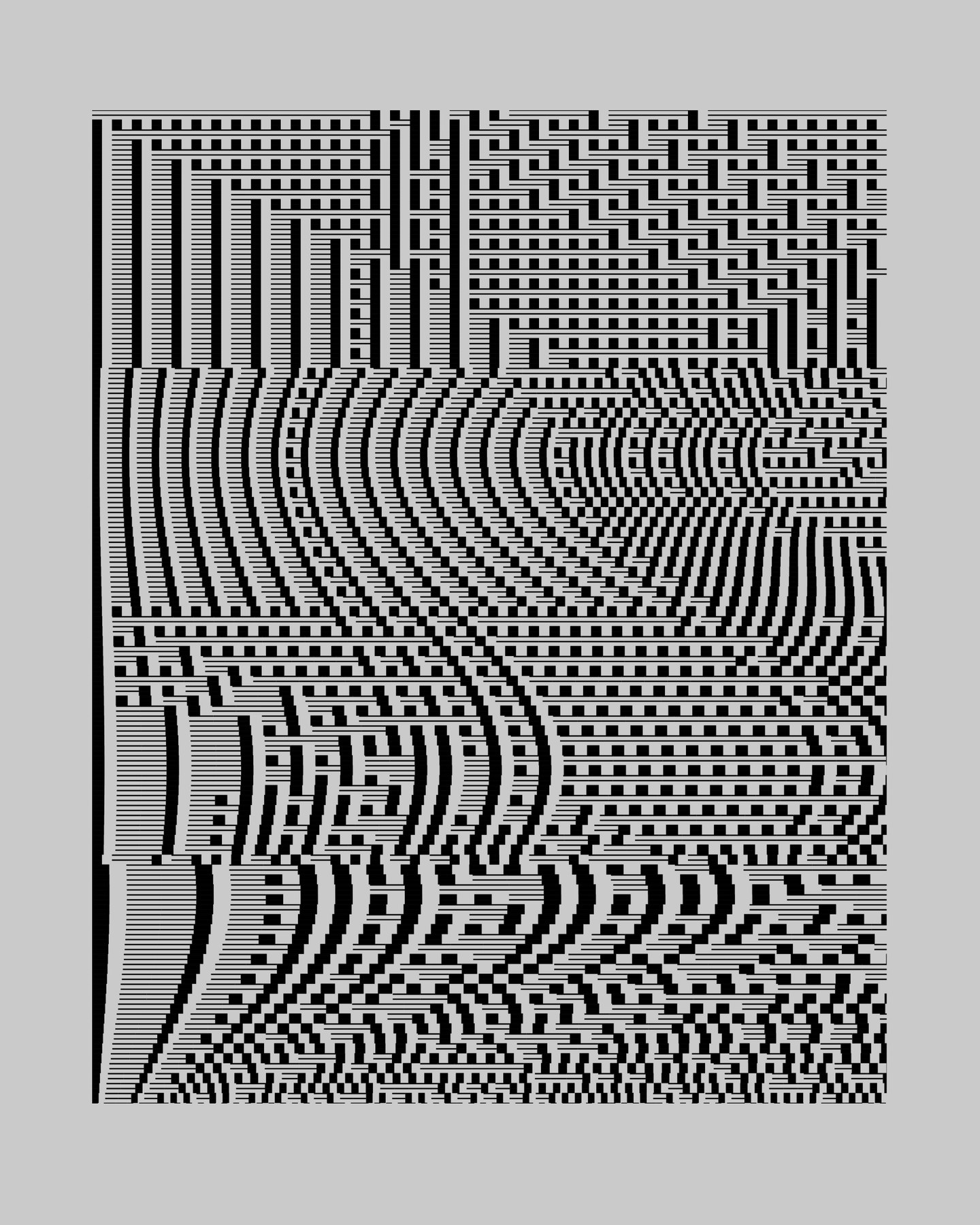
Wave-function Collapse, 2026 — Mechanical Plotter Drawing (Javascript)
Q & A
Is geometry a constraint or a freedom for you — and has that answer ever changed?
Geometry is, above all, a language for me, a formal system of thinking that makes it possible to articulate ideas that are difficult to express through words alone. It provides a vocabulary of relationships, proportions, transformations, and structures through which concepts, systems, and even entire cosmologies can be constructed. In that sense, geometry extends rather than replaces conventional language, offering another way of describing and understanding the world. Its significance lies in the fact that it is both scientific and metaphysical. Throughout history, geometric thought has shaped mathematics, the natural sciences, philosophy, and the arts, serving as a bridge between precise reasoning and speculative thought. Geometry is therefore both a constraint and a form of freedom. Every language has its own grammar, and geometry is no different. Its rules and limitations do not restrict expression, instead they make it possible. I see constraints as generative: by working with a limited vocabulary of forms and relationships, it becomes possible to explore remarkably rich conceptual and aesthetic territories. For me, limitation is often the condition that allows meaningful exploration to emerge.
Walk us through your process — where does a piece begin, and how do you know it's finished?
The process always depends on the context and the medium. When creating purely digital works, I usually begin with code-based or hand-drawn sketches while simultaneously developing and refining the conceptual framework. I prefer my works to contain multiple layers of meaning, and shaping these nested relationships requires a careful and iterative process. Early experiments gradually evolve into more complete forms through a series of adjustments and refinements. Since my practice is largely based on programming languages and code, I often use version control systems such as Git, which allow the different stages of development, experiments, and decisions to remain traceable. I also strongly believe in open-source culture, so I make many of my findings and tools publicly available, where they can later become resources for my teaching practice, courses, and workshops. The process changes significantly when working with physical installations involving materials and electronic components. These works require a slower, more embodied approach: collecting materials, assembling systems, testing interactions, and refining details in the studio. Recently, I have become increasingly interested in this slower rhythm of making. Compared to software, physical materials demand a different relationship with time and presence. Some ideas require days or weeks to test and understand, creating intervals for reflection and allowing the work to develop through a more intuitive dialogue between intention, material, and process. The final stages of a work are usually closely connected to its presentation, whether through an exhibition, publication, or other public context.
Is there something outside of art — a system, structure, or phenomenon — that quietly shapes how you think about form?
Working with code has led me to an interest in abstract forms and structures that exist beyond purely visual representation: recursion, embedded spaces, multidimensional infrastructures, and systems that can emerge from almost any kind of data. I see language itself as another form-generating system, where numbers, symbols, and characters become structures through which concepts, relationships, and experiences are defined. Alongside the structural processes and seemingly cold logic of computation, I am drawn to non-dualist perspectives found in various metaphysical traditions. I am equally interested in historical attempts to diagrams and formalized knowledge through symbolic systems, from the ritual diagrams and cosmological drawings found in esoteric traditions to Leibniz’s vision of a universal symbolic language and contemporary forms of ontological cartography. Rather than separating computation from metaphysics, I see them as overlapping ways of constructing models of reality. I often return to the idea expressed in the Heart Sutra, a central text in Zen Buddhism: “form is emptiness; emptiness is form.” This proposition suggests that structure and meaning, material and information, presence and absence are not opposites but mutually constitutive aspects of the same process.
What does a viewer miss when they see your work as 'just geometry'?
While my works are mostly built through formal systems and computational processes, each piece carries cultural references and conceptual layers that extend beyond its visible structure. The works are part of an ongoing research into the relationship between intuitive thinking and computational space, exploring how abstract systems can become carriers of meaning. The references embedded within them move across different fields, from mathematics and the history of computer and media art to questions of memory, natural patterns, morphogenesis, metaphysics, and interface culture. Rather than using computation only as a tool for producing forms, I am interested in how computational processes can reveal different ways of perceiving structure, time, and emergence. The images become spaces where mathematical logic, cultural memory, and speculative ideas intersect, allowing seemingly minimal forms to unfold into broader conceptual territories.
What's the last rule you set for yourself in the work, and did you keep it?
I believe this one rule should be the act of “removing”. Within most of my works, every new element had to justify its existence, and if it didn’t, it disappeared. I’m interested in reaching a point where there is nothing left to take away, while allowing the remaining structure to sustain multiple layers of meaning. I want the work to be simple enough that its underlying mechanisms can be studied, yet rich enough that it continues to unfold through references to computation, temporality, and systems of knowledge. I mostly kept this rule, although I eventually realized that reduction is not an endpoint but a method of inquiry. Each decision about what to remove also reveals what the work is actually about. The fewer visible elements remain, the more the properties of the medium itself come into focus. For me, the medium is never a neutral carrier. Its constraints, errors, affordances, and transparent components are part of the work’s meaning. Rather than hiding these conditions, I try to expose them. This is especially important in computational media, where processes often remain invisible. By making the medium legible through its own limitations and operations, the artwork can become an ontological device: one that allows the intended message to emerge through the material and procedural nature of the medium itself.
Describe a failure or a dead end in your practice — something that didn't work.
One dead end I encounter repeatedly is trying to conform to external expectations. Those of clients, institutions, other artists, or an imagined audience. The same problem arises when a work tries to imitate something other than its own nature. Whether it is shaped by external demands or by the desire to resemble another medium, discipline, or aesthetic, it loses the qualities that make it specific. I find that the most meaningful work emerges when it accepts its own conditions rather than disguising them. If you try to satisfy everyone, the work tends to settle into the least interesting territory. The most fertile space usually contains a degree of surprise, tension, or even confrontation. Those moments create enough friction for something unexpected to emerge, allowing the work to remain faithful to its own logic instead of merely confirming existing expectations.
Newsletter
Curated open calls and one artist to know, every couple of weeks. Free, no spam.