Selected Artist
About
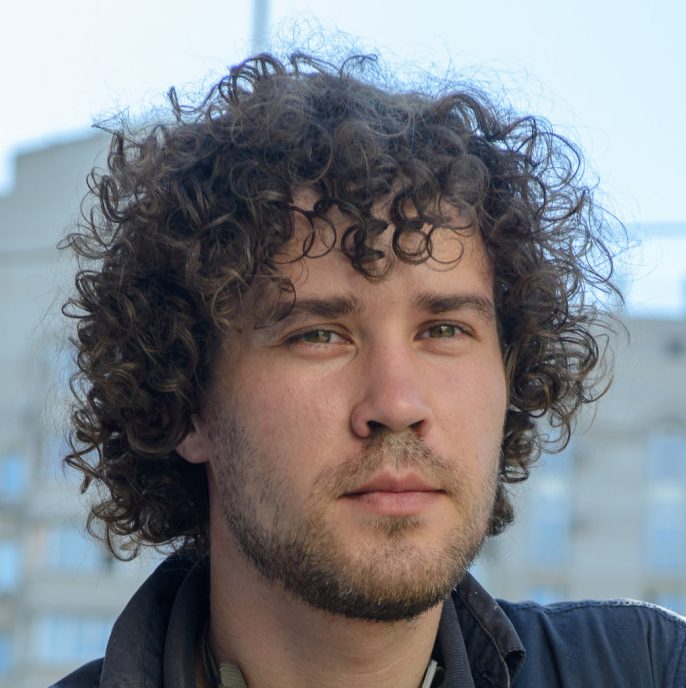
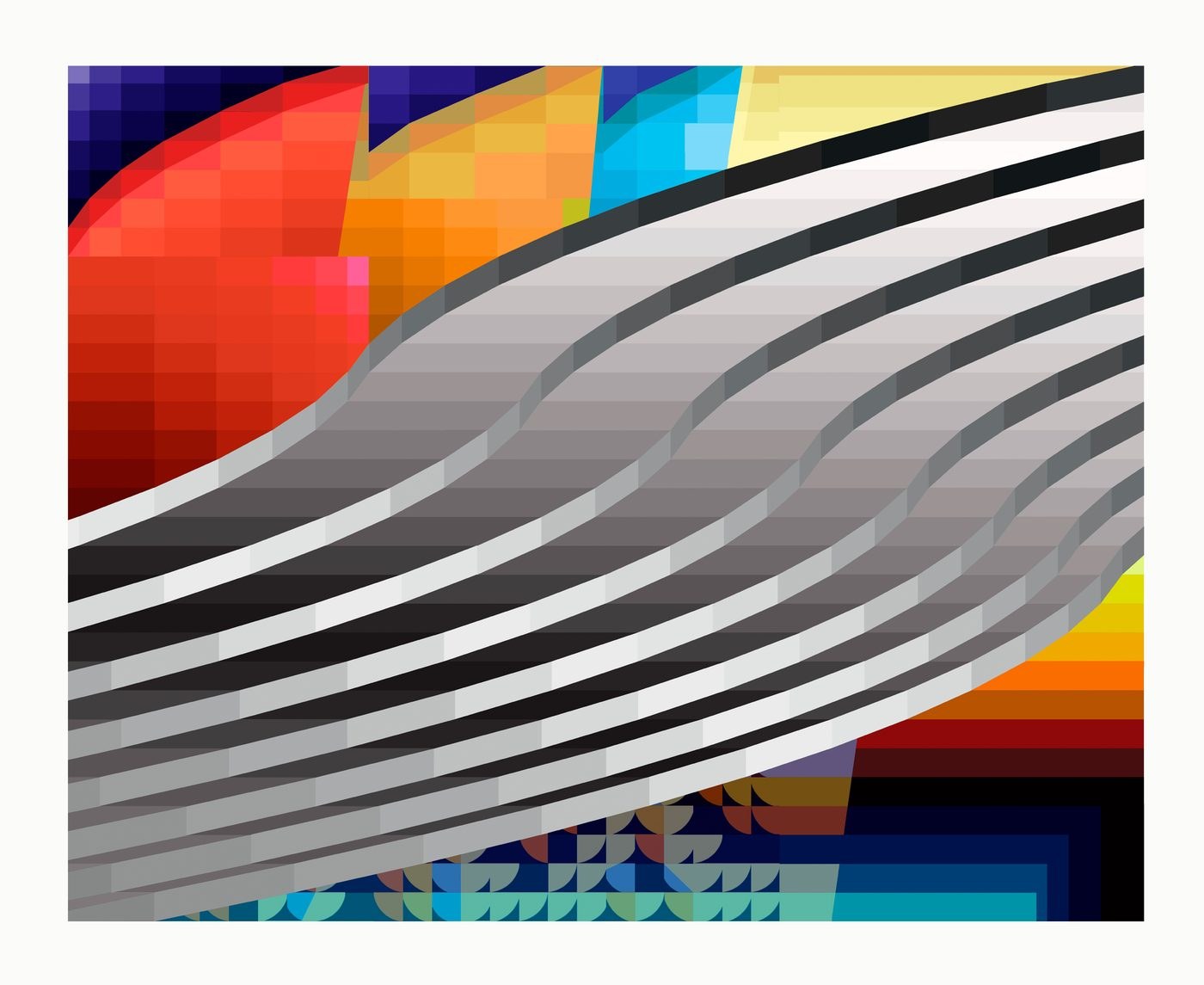
Andriy Kalkov (b. 1987, Lutsk, Ukraine) is a visual artist whose practice spans abstract painting, digital graphics, and large-scale mural work. He began his creative journey through graffiti as a teenager, a discovery that sparked his fascination with walls, line, and movement. Kalkov later graduated with a degree in Monumental Art from the Kosiv Institute of Applied and Decorative Arts of the Lviv National Academy of Arts. Since 2009 he has been developing Circulation, an ongoing abstract series centered on the spiral - an ancient universal symbol of perception and continuity. He reinterprets this form through contemporary geometric abstraction, op art, and digital visual language. Since 2020, his work has increasingly absorbed architectural influences and elements of digital surrealism.
Selected works
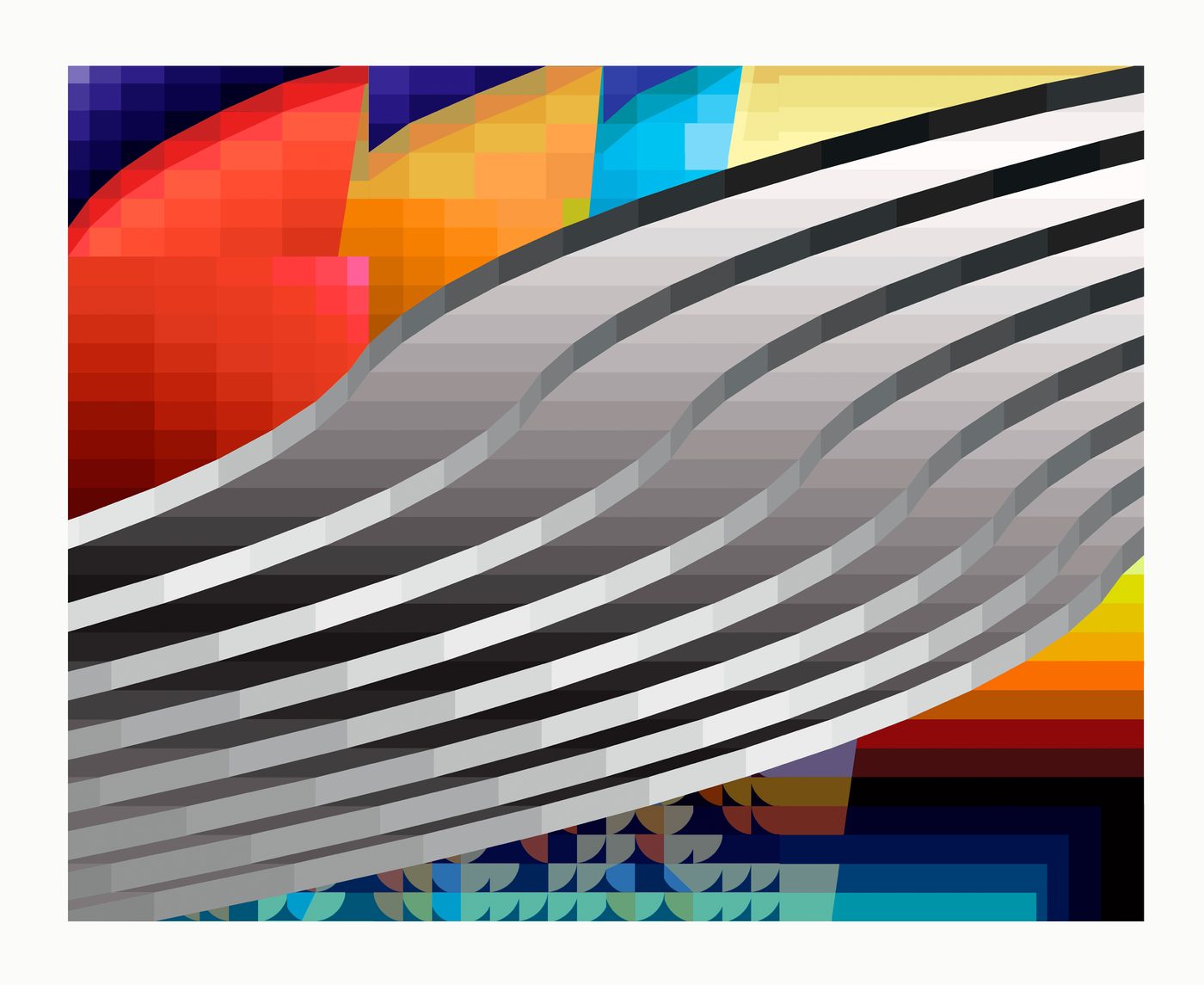
Circulation, 2016
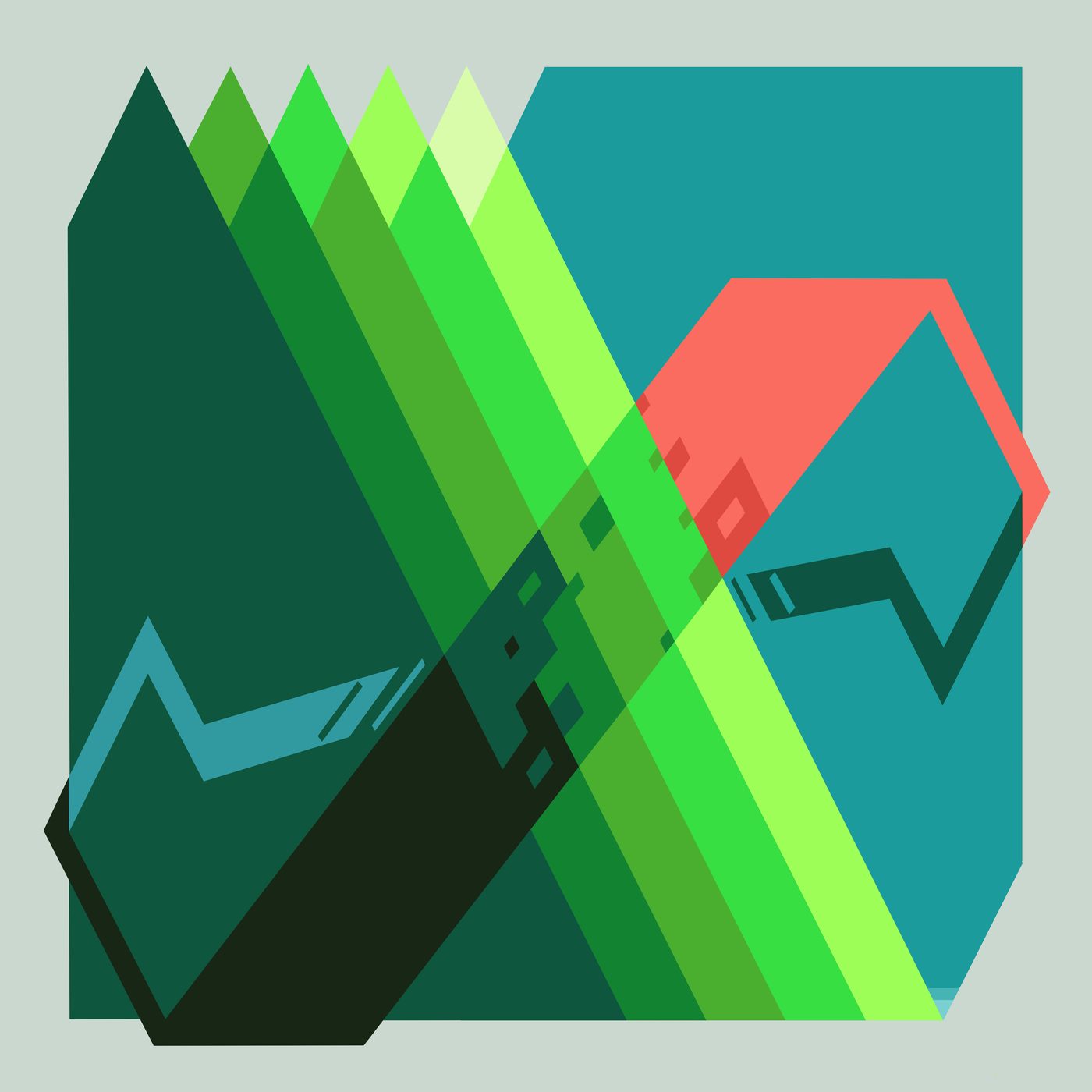
Circulation Series, 2016
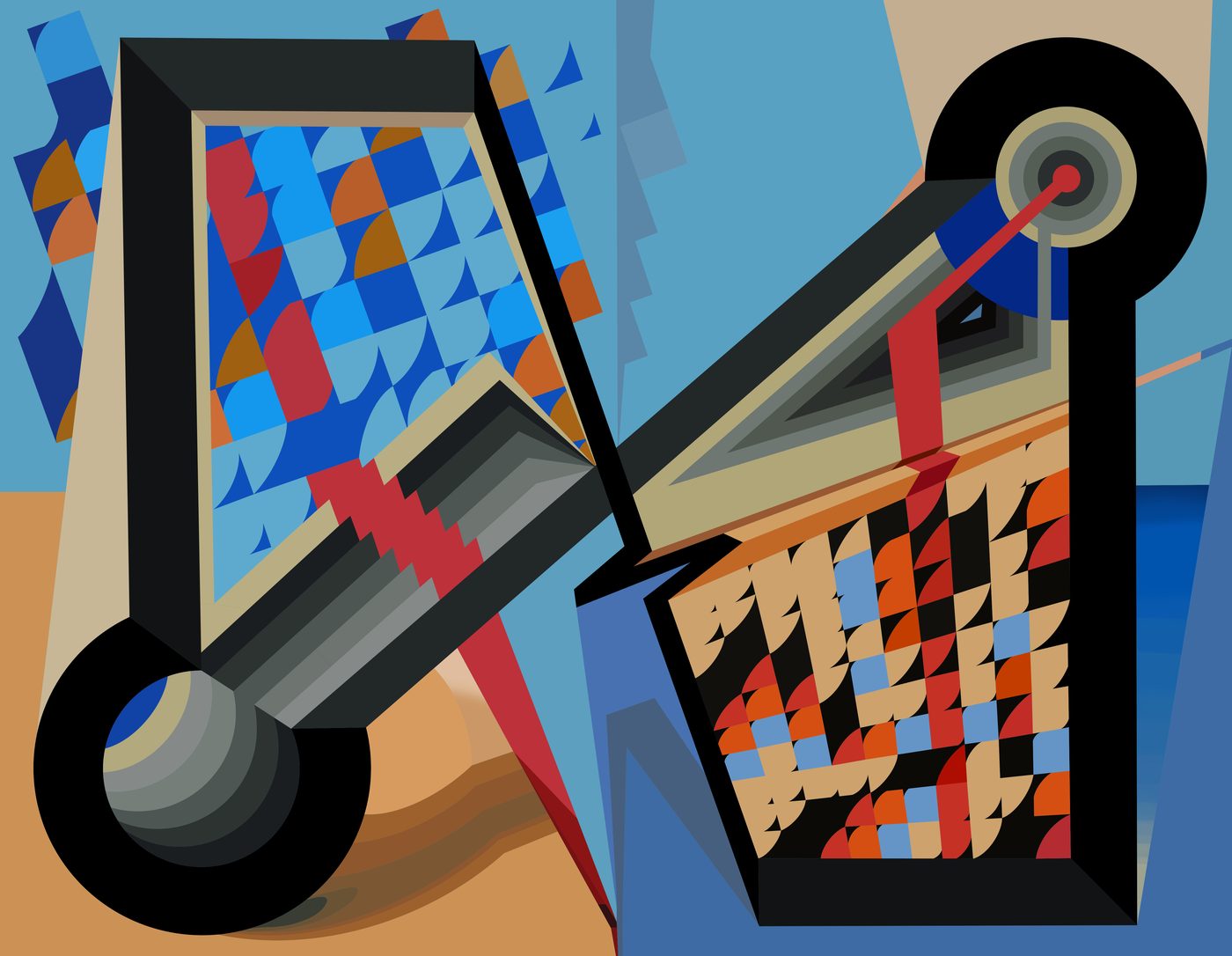
Circulation Series, 2017
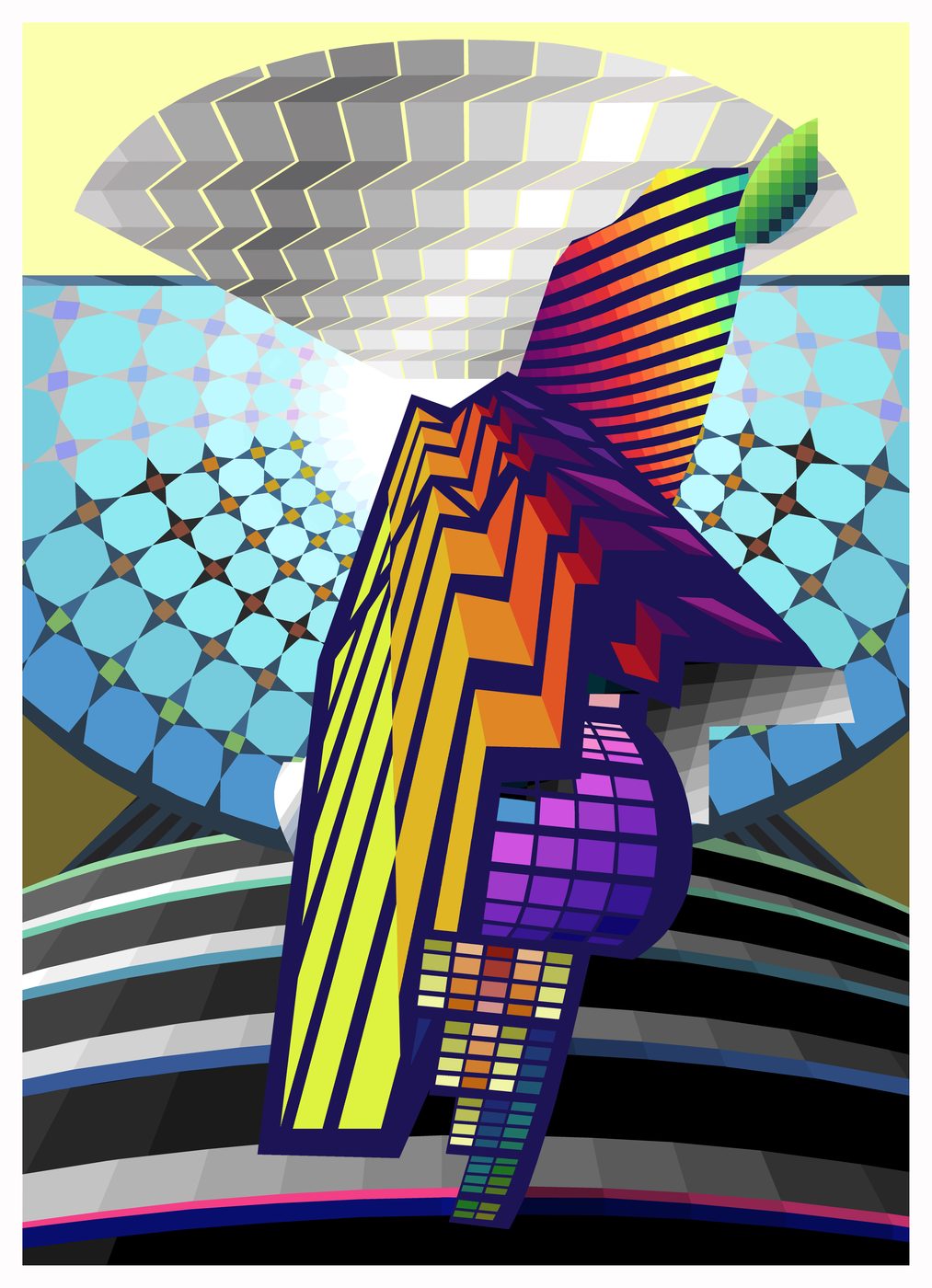
Archilation, 2023
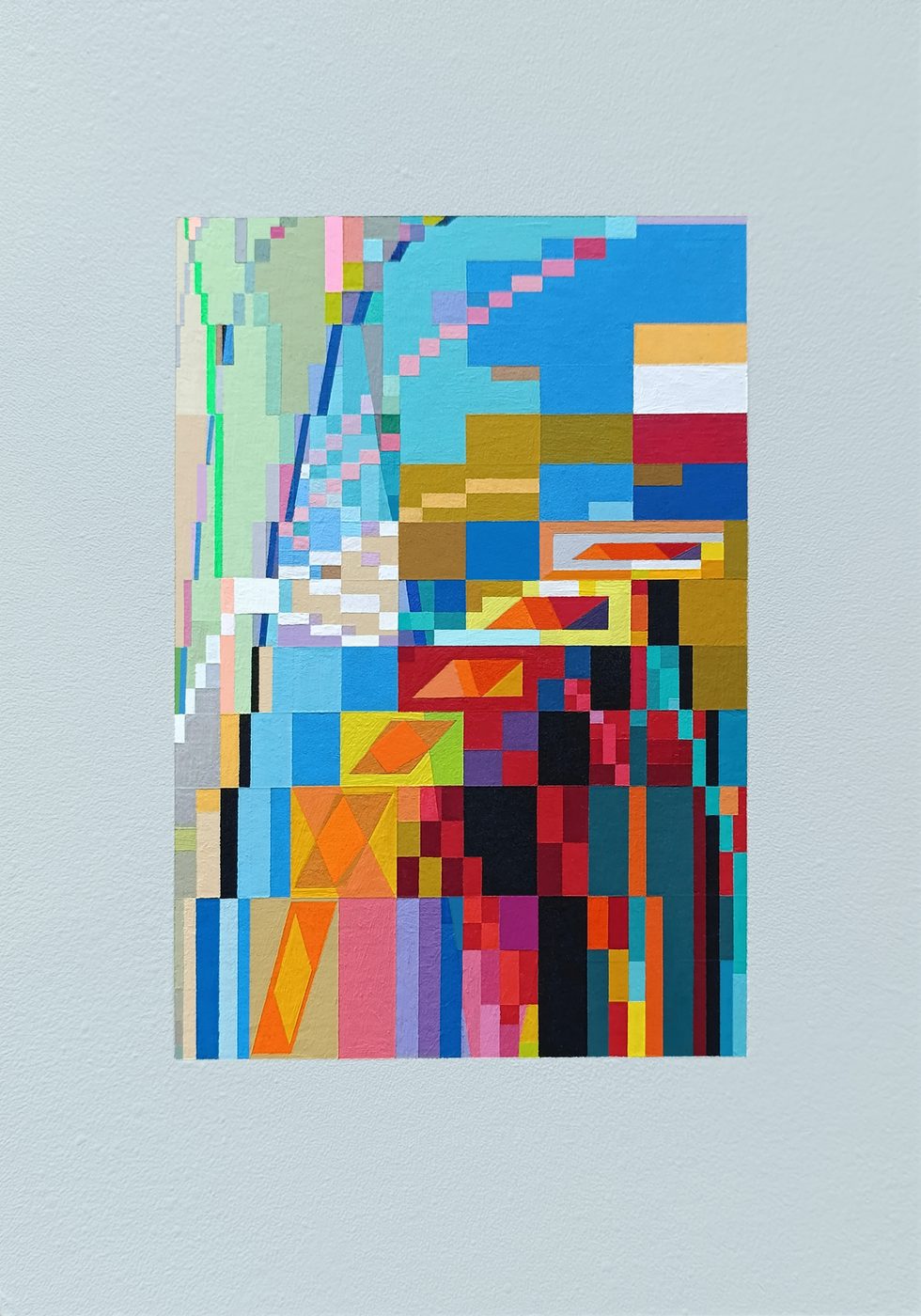
CoreNION, 2025
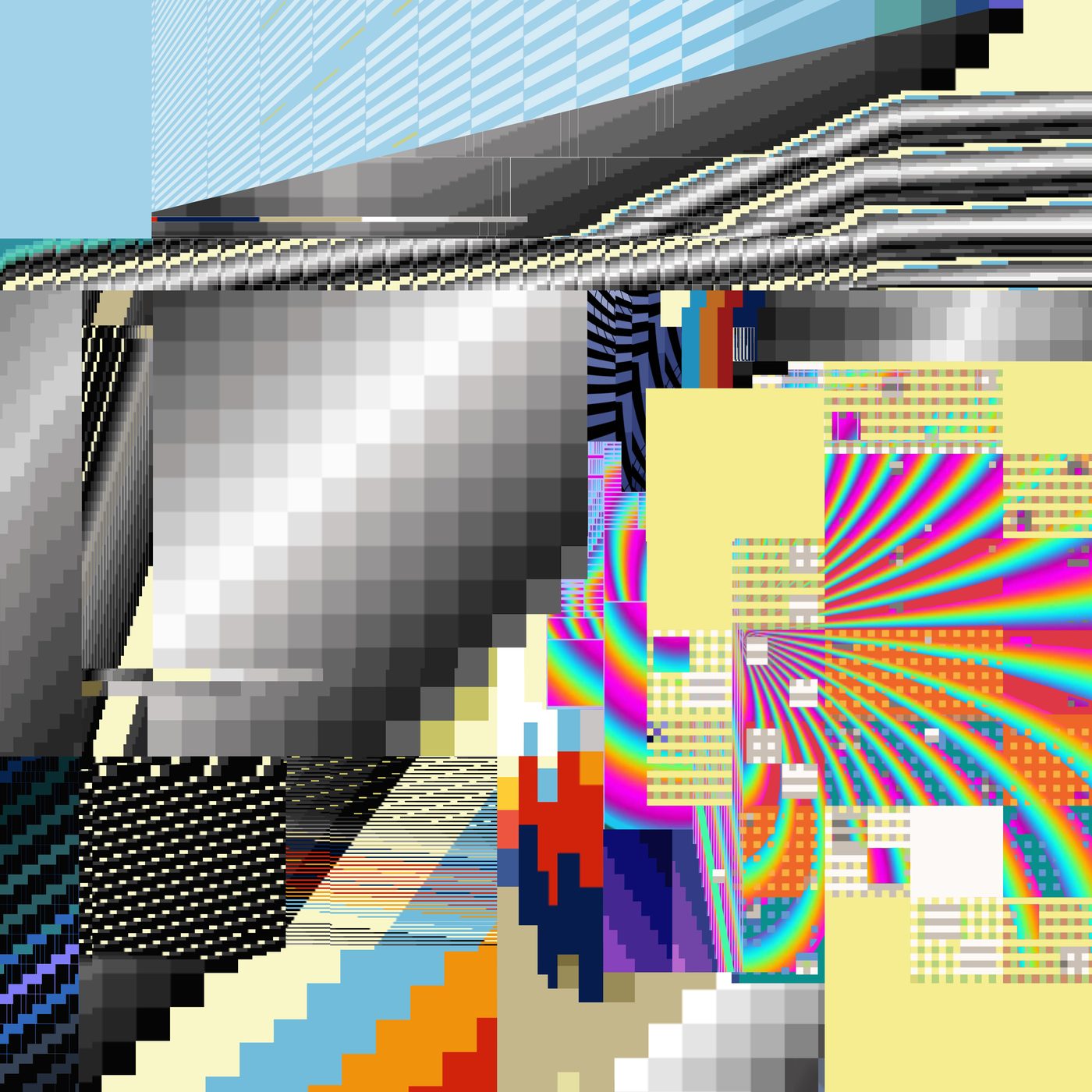
Optie Scope, 2024
Q & A
Is geometry a constraint or a freedom for you — and has that answer ever changed?
Geometry is freedom for me. After years of academic realistic training, I consciously moved away from strict representation toward geometric abstraction, op-art, and pixel structures. What once felt like a technical tool became a language that allows me to express inner states and perceptual experiences. This shift happened gradually — from graffiti and monumental art to the “Circulation” series with its spiral symbol, and later to more architectural and digital forms. Geometry liberated me.
Walk us through your process — where does a piece begin, and how do you know it's finished?
It usually starts with a single line or an intuitive impulse. On canvas, I rarely use preliminary sketches — I follow the internal logic and rhythm of the form as it develops. In digital, I work in programs like Adobe Fresco or Pixel Studio, often combining several tools. For murals, the process is more structured: I begin with a precise sketch that respects the architecture, viewing distances, and environment. I know a piece is finished when the composition achieves balance, the initial impulse feels fully realized, and the work gains its own visual harmony. There’s a sense that the image has “closed” and become self-sufficient.
Is there something outside of art — a system, structure, or phenomenon — that quietly shapes how you think about form?
Yes — meditation, architecture, and the digital environment. Meditation helps me tune into the initial subtle impulse from which forms emerge. Architecture constantly influences my sense of rhythm, structure, and spatial dynamics, especially since 2020. The digital age itself — with its pixels, algorithms, and data flows — also shapes how I construct contemporary visual language.
What does a viewer miss when they see your work as 'just geometry'?
They miss the human and spiritual dimension behind it. The geometry is not cold or purely decorative — it grows from an inner meditative state, from the eternal symbol of the spiral (in the “Circulation” series), and from the desire to express perception itself. Viewers may also overlook the dialogue between digital precision and analog gesture, as well as the deep connection to architecture and the surrounding space.
What's the last rule you set for yourself in the work, and did you keep it?
The last important rule was to preserve artistic quality and personal aesthetic standards even in commercial collaborations. I keep it strictly. If the restrictions contradict my vision and cannot be resolved through dialogue, I refuse the project. I also continue to follow the principle of combining digital and analog approaches to keep the work alive and authentic.
Newsletter
Curated open calls and one artist to know, every couple of weeks. Free, no spam.