Selected Artist
About
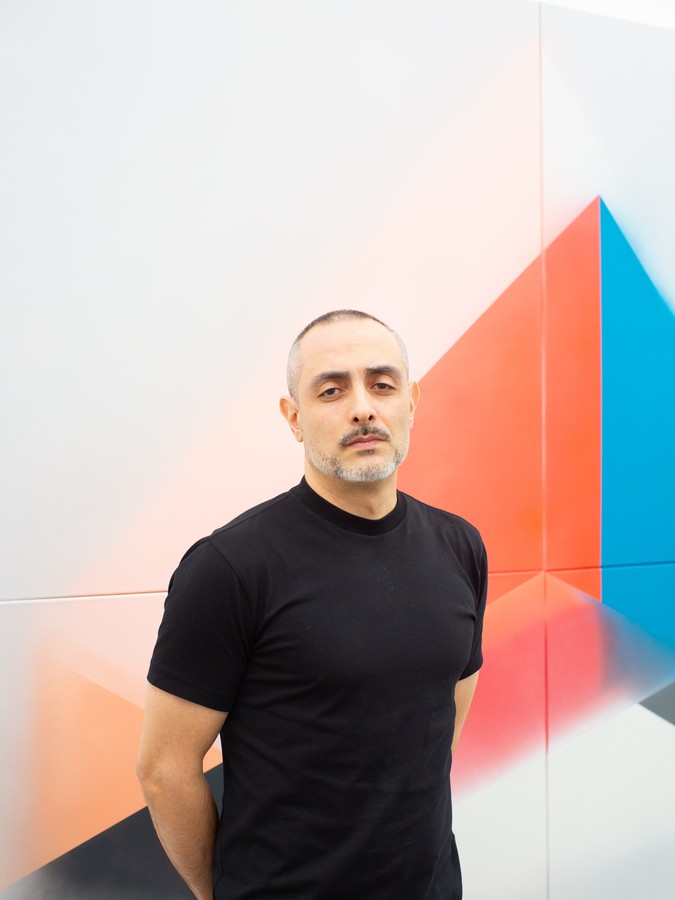
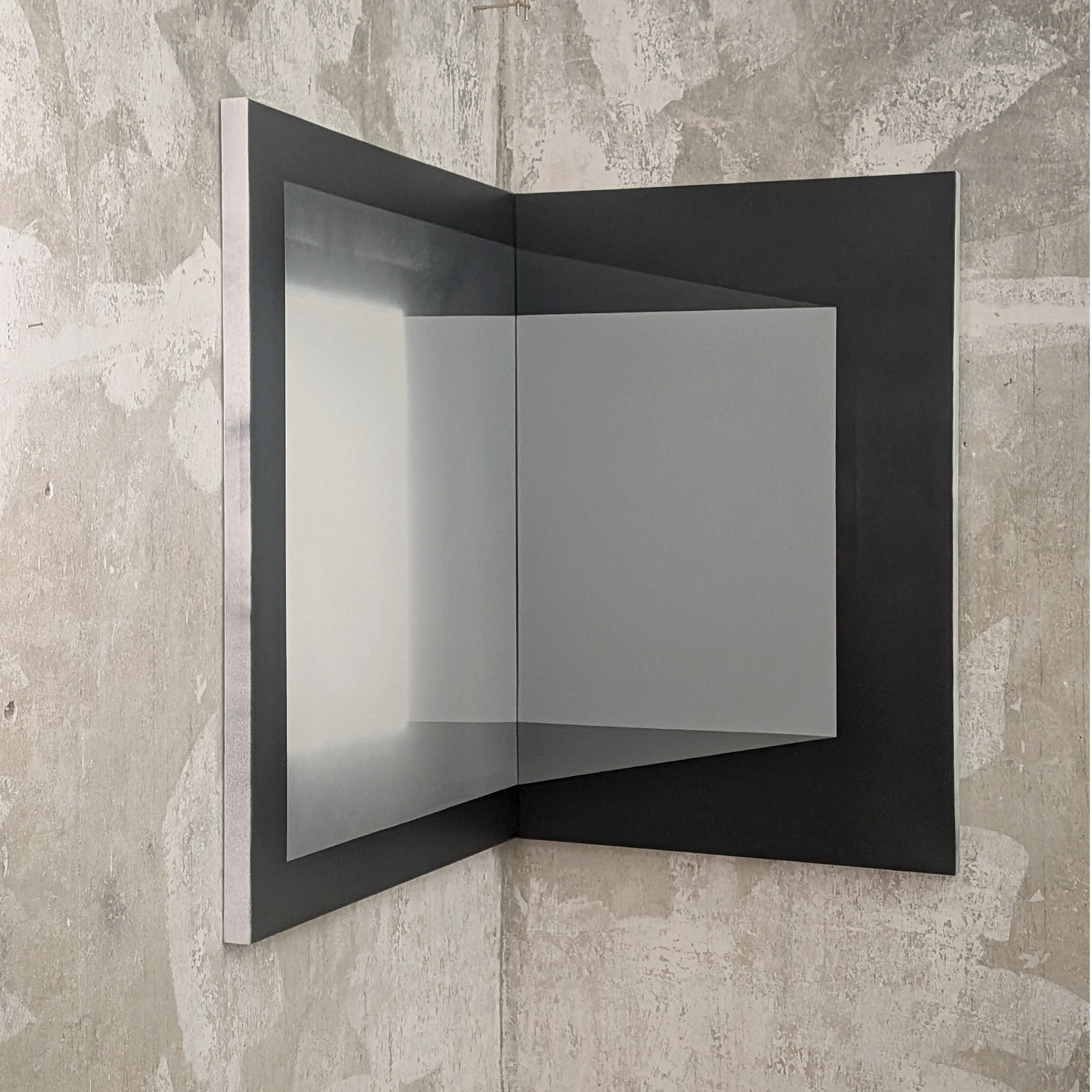
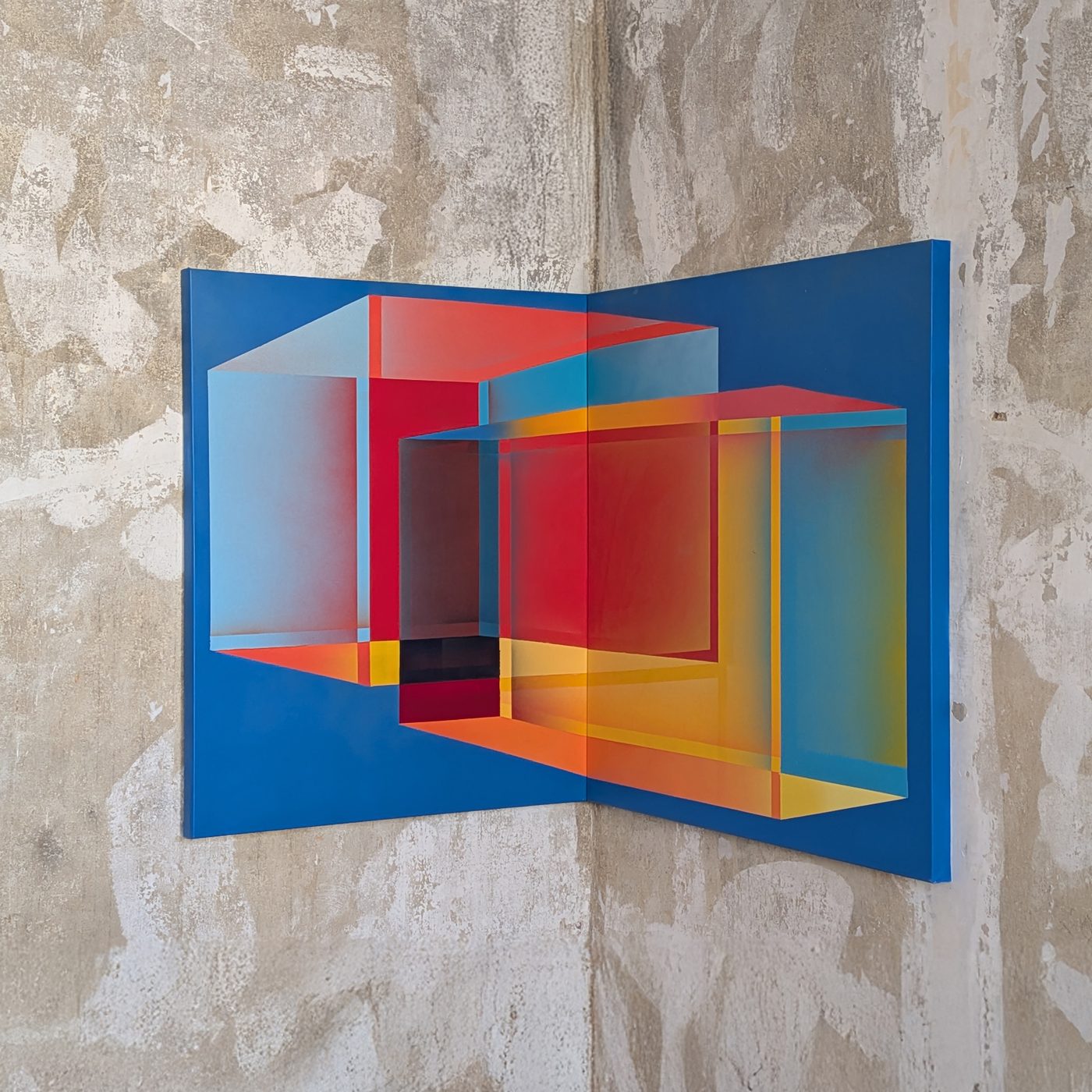
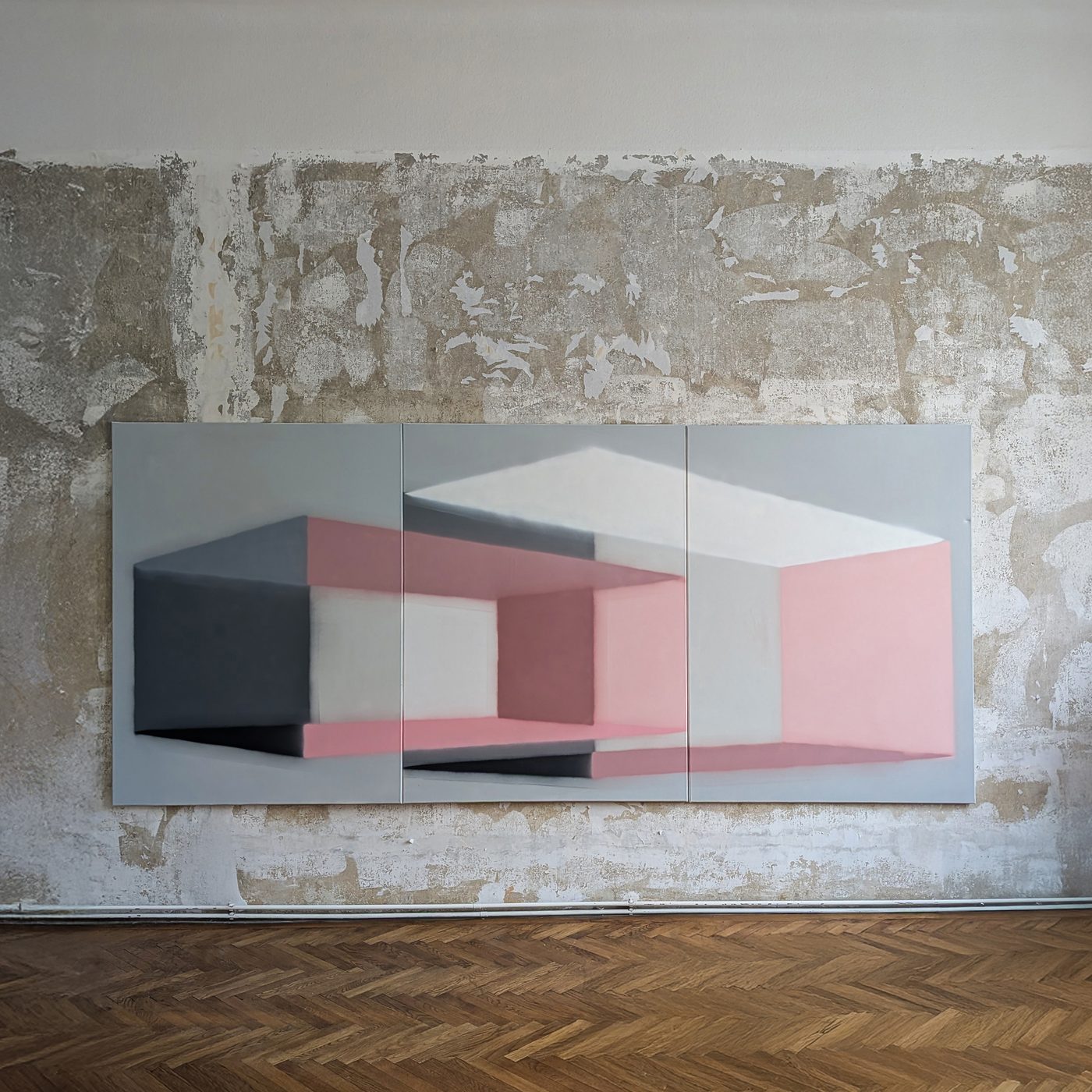
Parsa Khalili (b. Tehran, Iran) is an artist and architect based in Vienna. Working across architecture, installation, sculpture, and painting, his practice explores painting as an alternative medium for the construction of form and space.
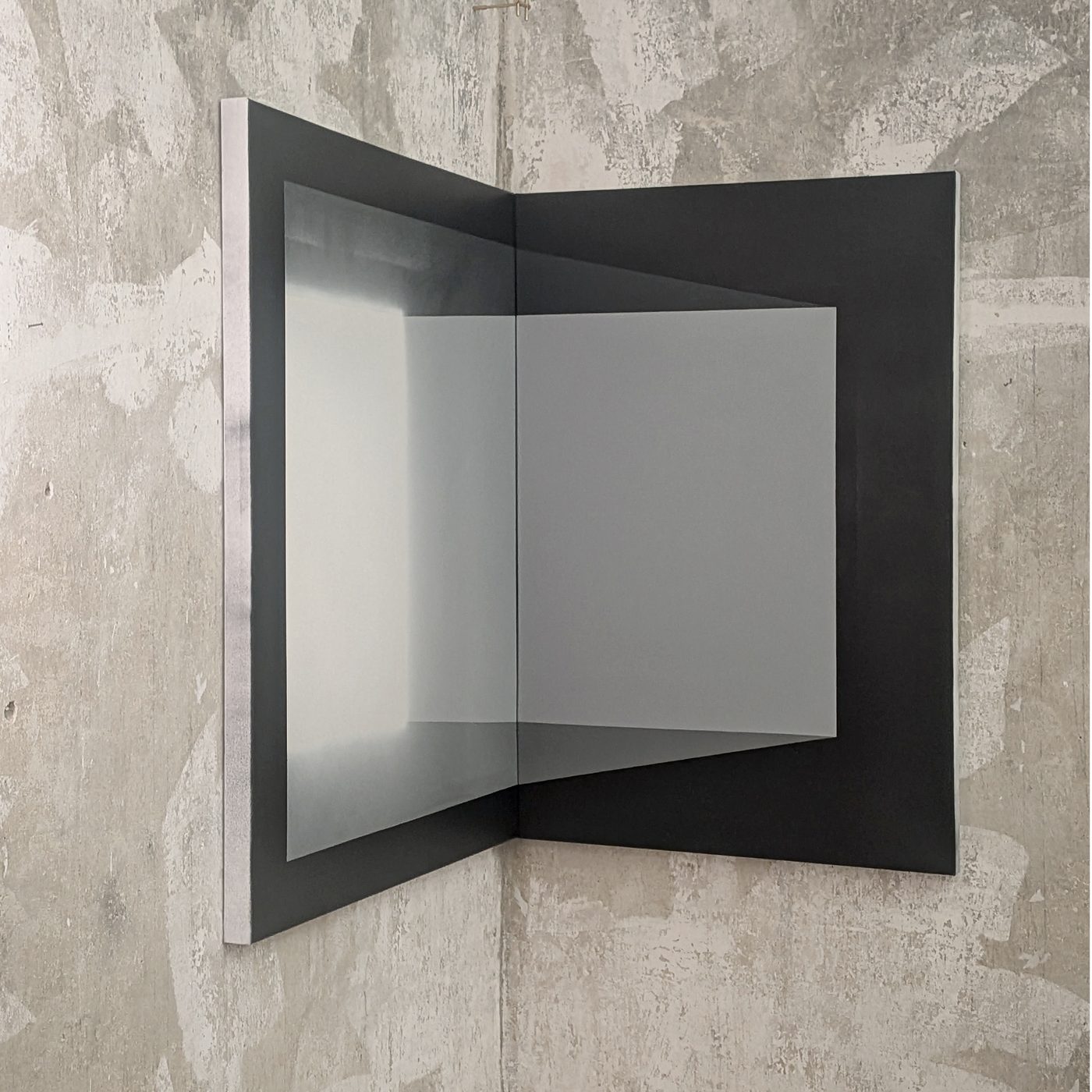
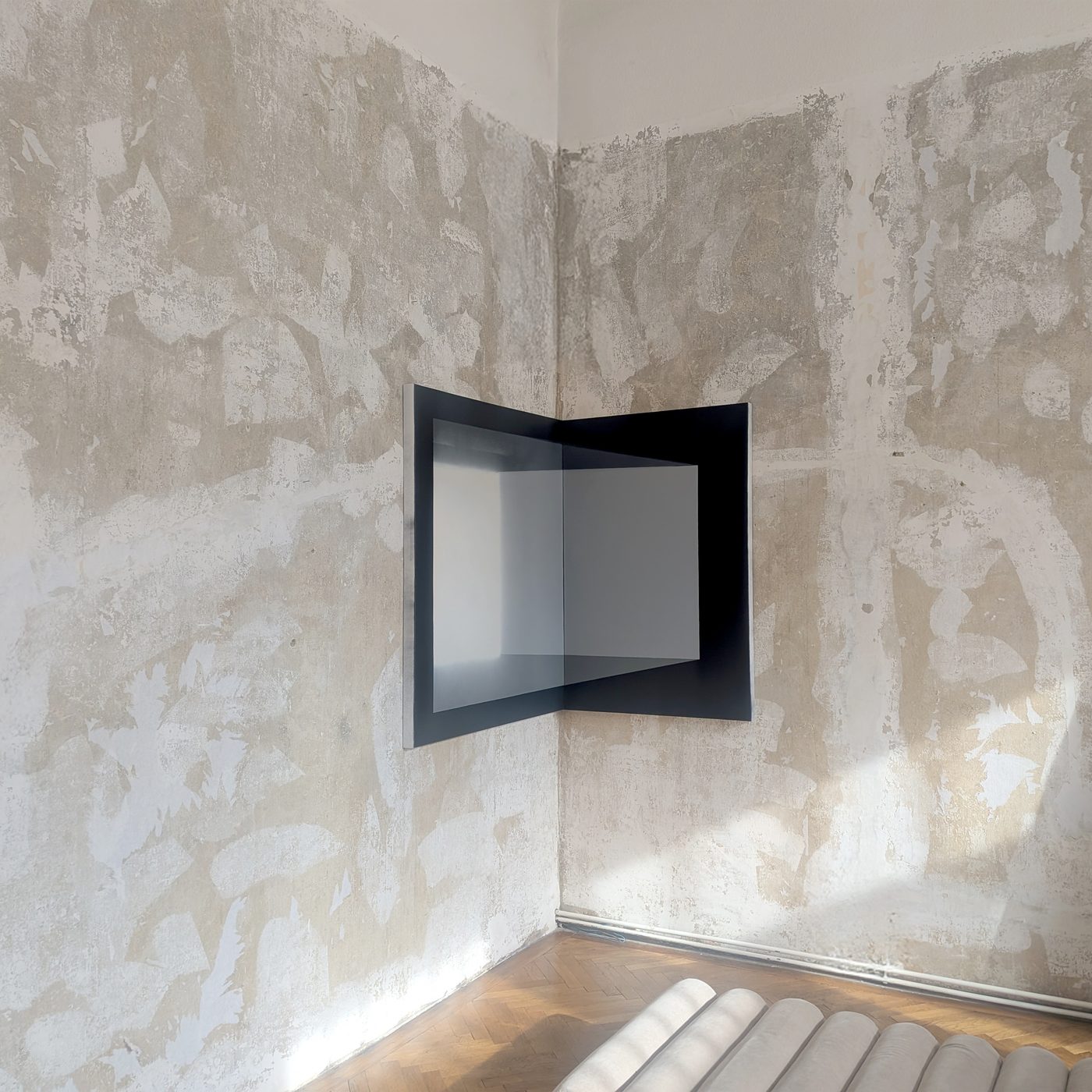
These works, read as formal propositions developed through a rigorous process of drawing and building, challenge conventional approaches to spatial production. Ongoing experiments dissolve the boundaries between drawing, painting, and building—not merely as representations of space, but as spatial and formal objects in their own right. The resulting body of work is at once tectonic and constructive, yet deliberately open to indeterminacy and irresolution.
Alongside his art and architectural design practice, Khalili has held teaching positions at Princeton University, the University of Applied Arts in Vienna, Yale University, and the Pratt Institute. His work has been supported in the form of international grants and fellowships from institutions such as The Graham Foundation, The A+D Museum, The SOM Foundation, Yale University, and the University of Illinois, and has been recognized internationally through exhibitions, publications, and design projects in the United States, the United Kingdom, Brazil, Germany, Italy, Austria, and Iran.
Selected works
Parsa Khalili
Parsa Khalili
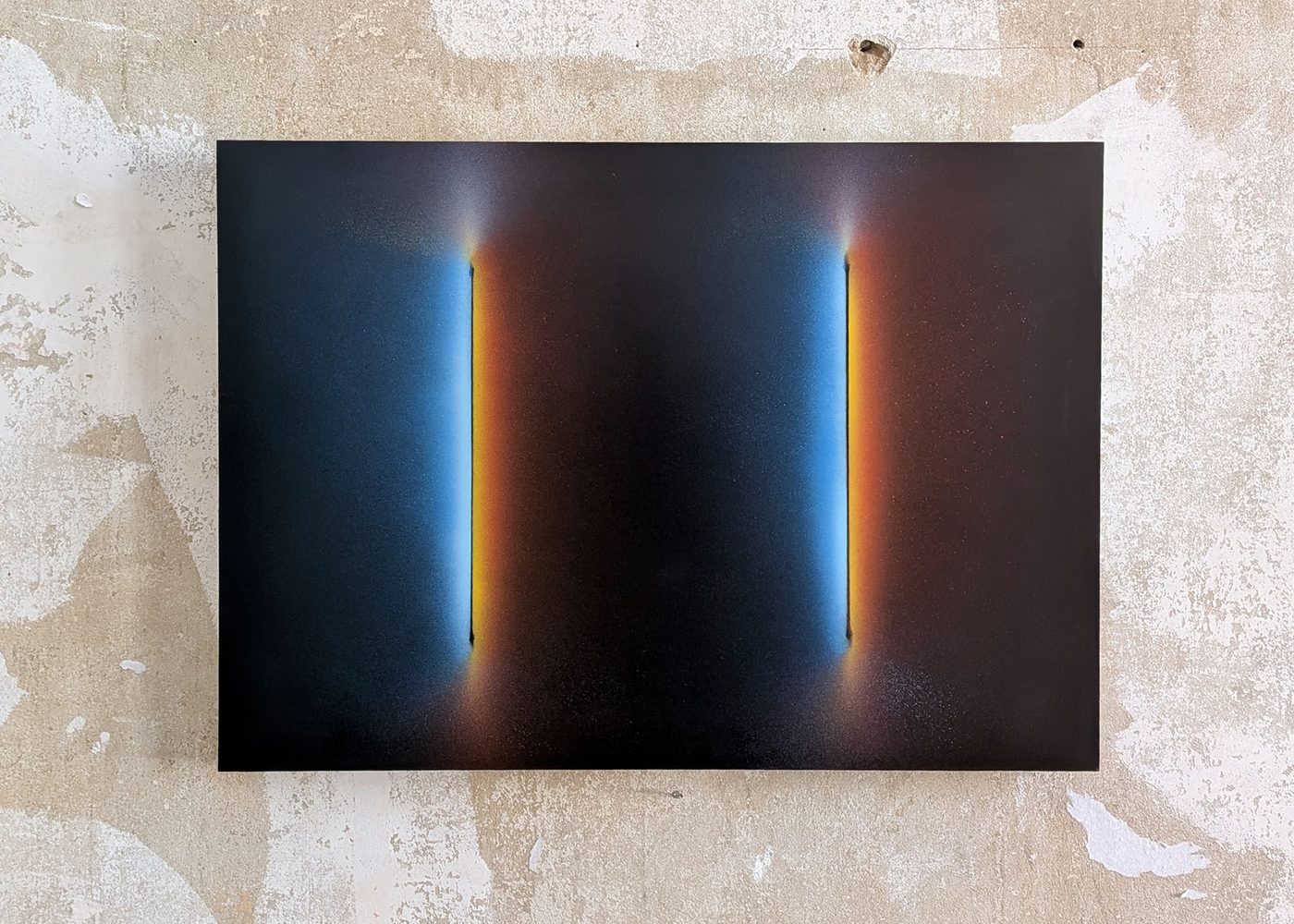
Parsa Khalili
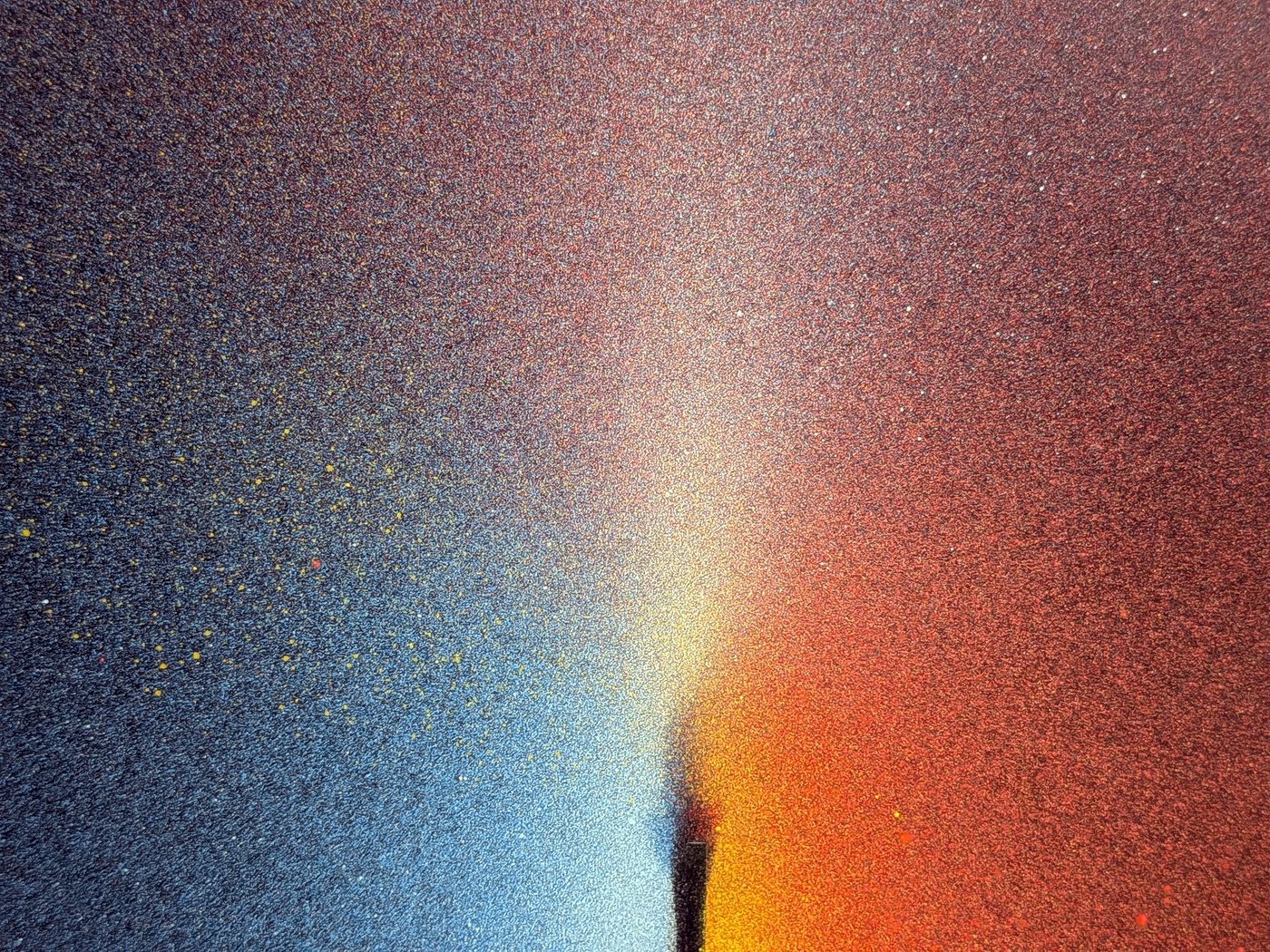
Parsa Khalili
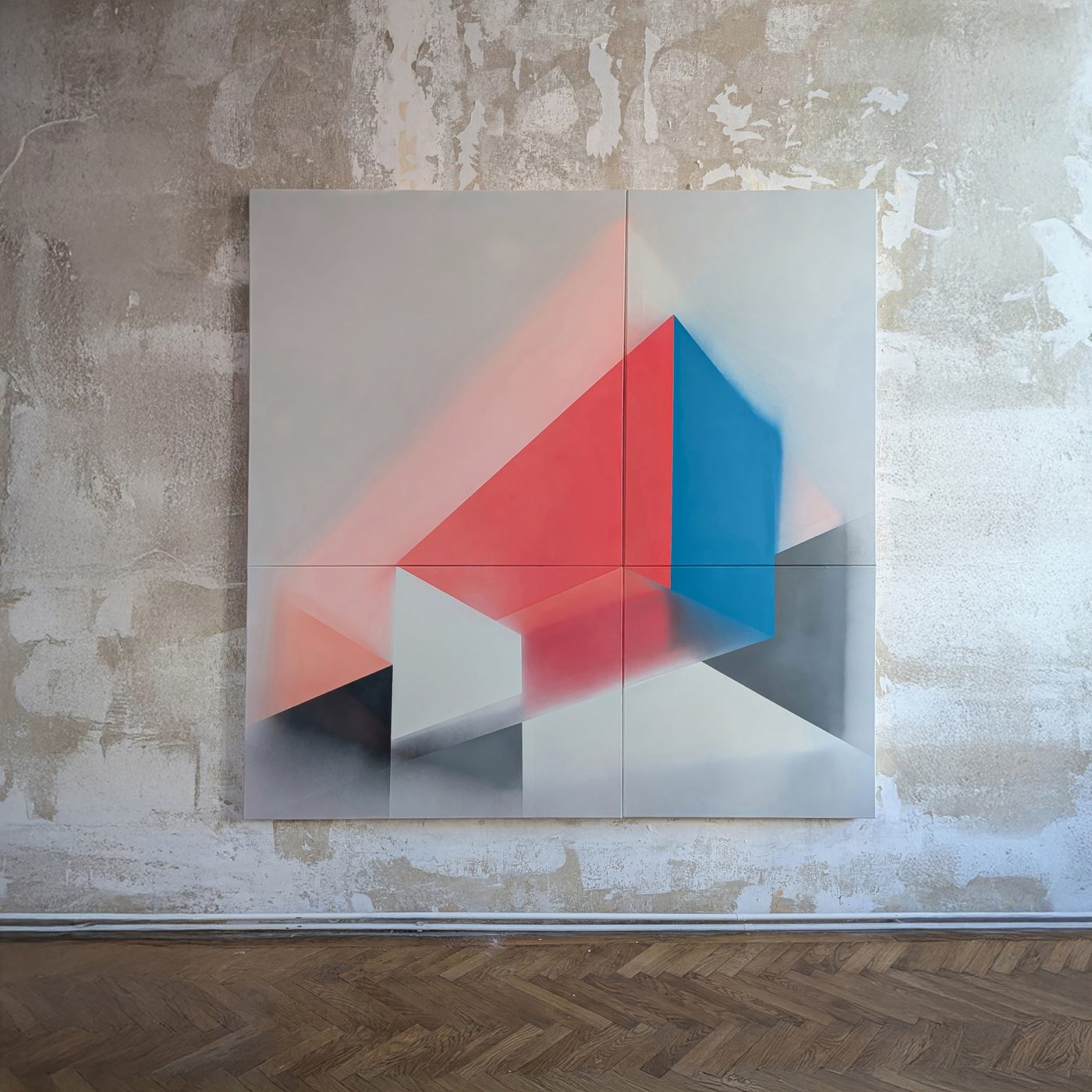
Parsa Khalili
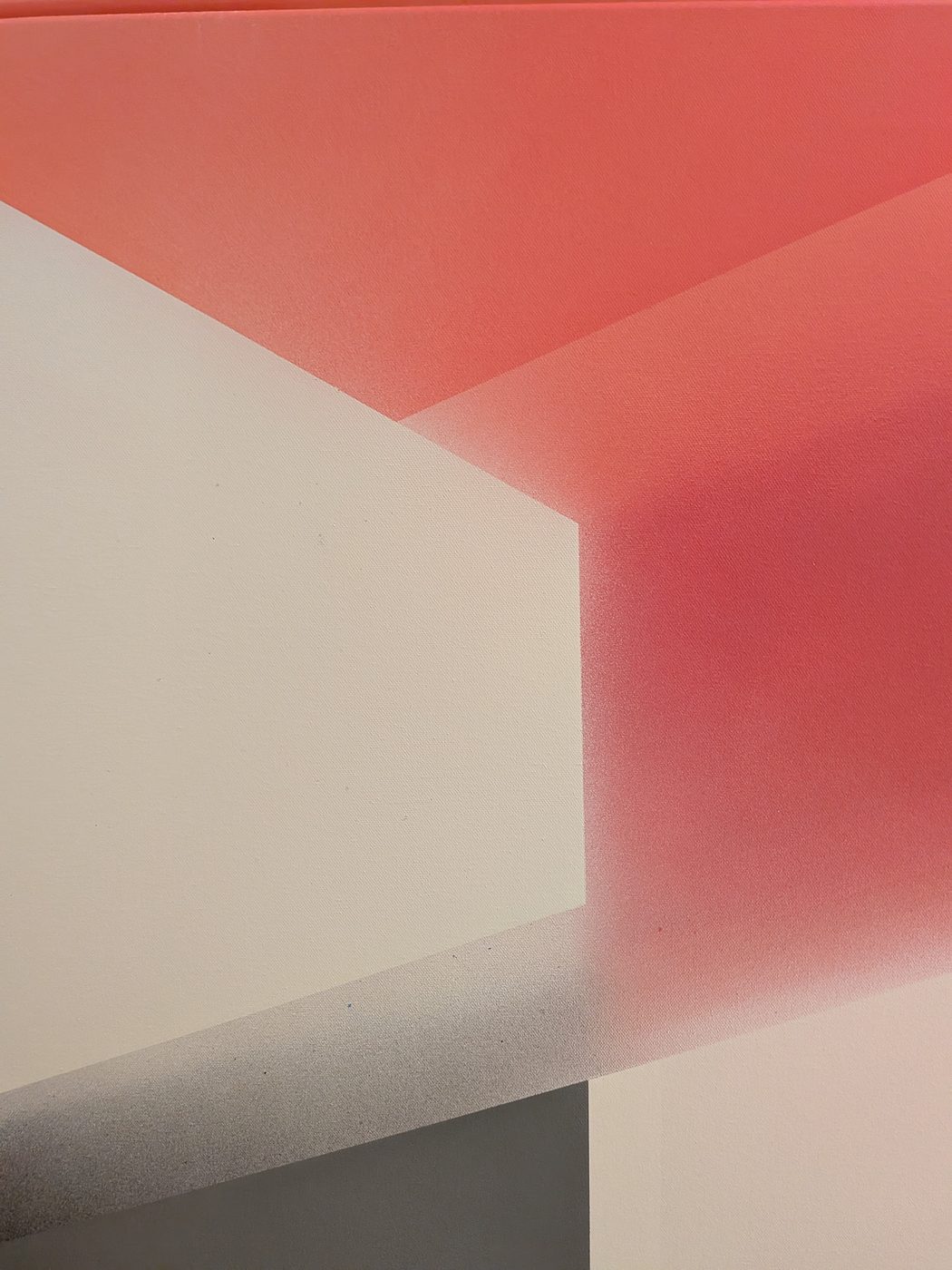
Parsa Khalili
Parsa Khalili
Parsa Khalili
Parsa Khalili
Q & A
Is geometry a constraint or a freedom for you — and has that answer ever changed?
I do not think of geometry as quite either. For me, geometry is an underlying code: a system that establishes relationships and provides a neutral ground for testing how elements work together, against one another, and across space.
Walk us through your process — where does a piece begin, and how do you know it's finished?
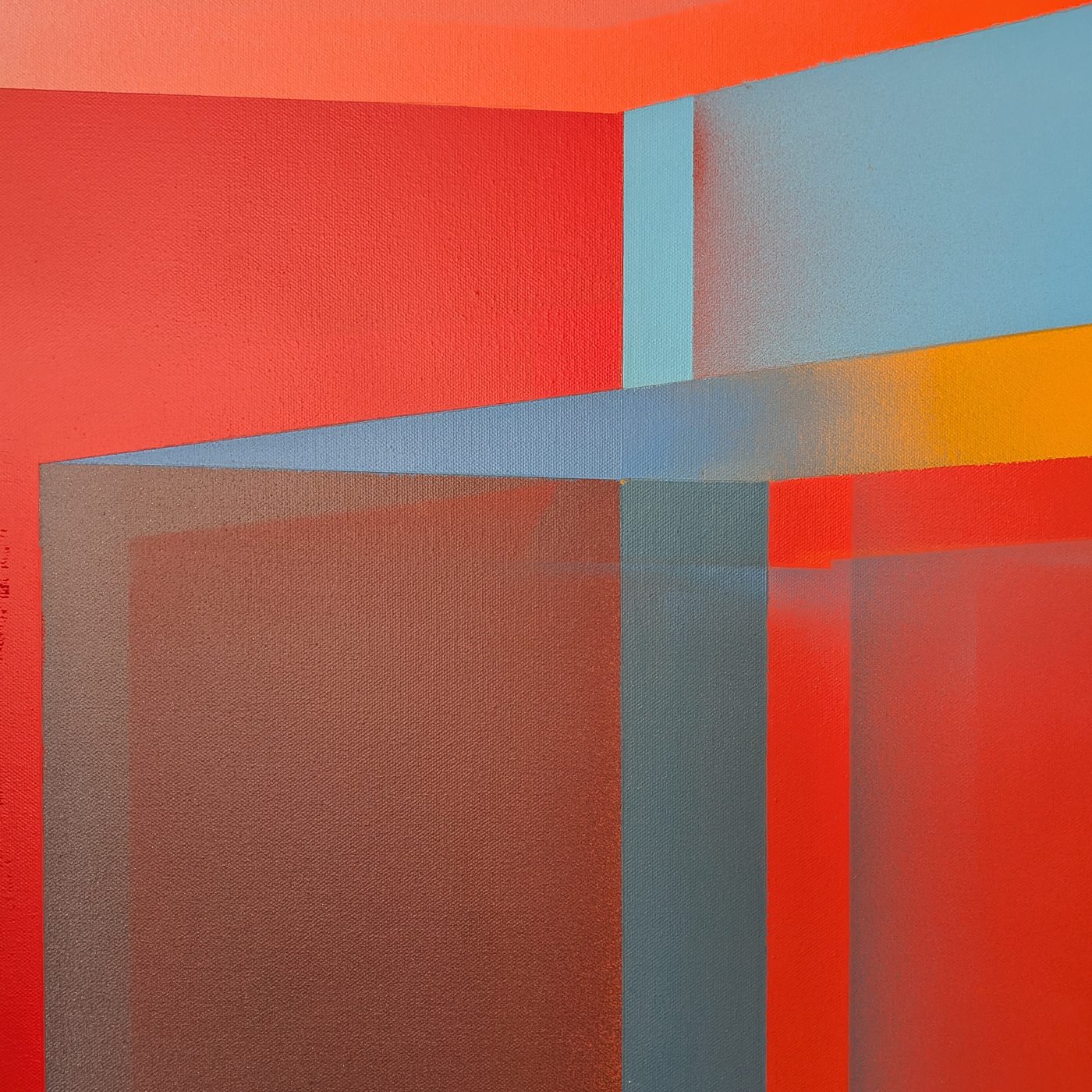
Every work begins with a hand drawing, revised through successive layers until a composition emerges that begins to challenge a particular notion of spatial relationships and establish its own formal language. The accumulated sketch is then digitized and reconstructed as a precise hard-line drawing and often as a digital model, allowing me to develop more complex relationships of perspective, depth, and composition before translating the work at scale onto canvas. From there, iterations of color, pattern, and fill begin to establish a cohesive logic for the final work. Painting becomes the final stage of its construction—the point at which the accumulated processes of drawing, modelling, projection, and revision are instantiated materially.
Is there something outside of art — a system, structure, or phenomenon — that quietly shapes how you think about form?
Architectural thinking is the underlying framework of all the work. Building is a complex process that requires multiple layers of thought, coordination, and the development of systems through which a construction can emerge. I approach painting in much the same way, using the methods through which an architect translates an initial vision into built form to produce paintings that operate as structures in their own right.
What does a viewer miss when they see your work as 'just geometry'?
The question I would ask of the work is not “What does it mean?” but “How does it operate?” Geometry is not the subject of the work, but a tool for constructing spatial relationships. The aim is not simply to produce geometric images, but to use geometry to make space—and to build that space within the constraints of the canvas.
What's the last rule you set for yourself in the work, and did you keep it?
Allow accidents to happen. As in building, no amount of planning results in a completely fixed or predetermined outcome. To embrace the process of construction is also to accept its friction and embrace the contingencies produced by the systems one puts in place. The unexpected is not a deviation from the work, but an essential part of how it develops.
Describe a failure or a dead end in your practice — something that didn't work.
Painting, unlike architecture, resists the experience of time. Time and duration are fundamental to how buildings are understood: through movement, sequence, temporality, and changing viewpoints do we accumulate the notion of perception. A painting condenses those conditions into a fixed surface (at a fixed moment). One of the continuing challenges in my work is how to preserve a sense of construction, process, and temporal experience within the final object. Conveying the layered logic of making without reducing it to representation remains an unresolved problem—and an important source of continued experimentation.
Newsletter
Curated open calls and one artist to know, every couple of weeks. Free, no spam.