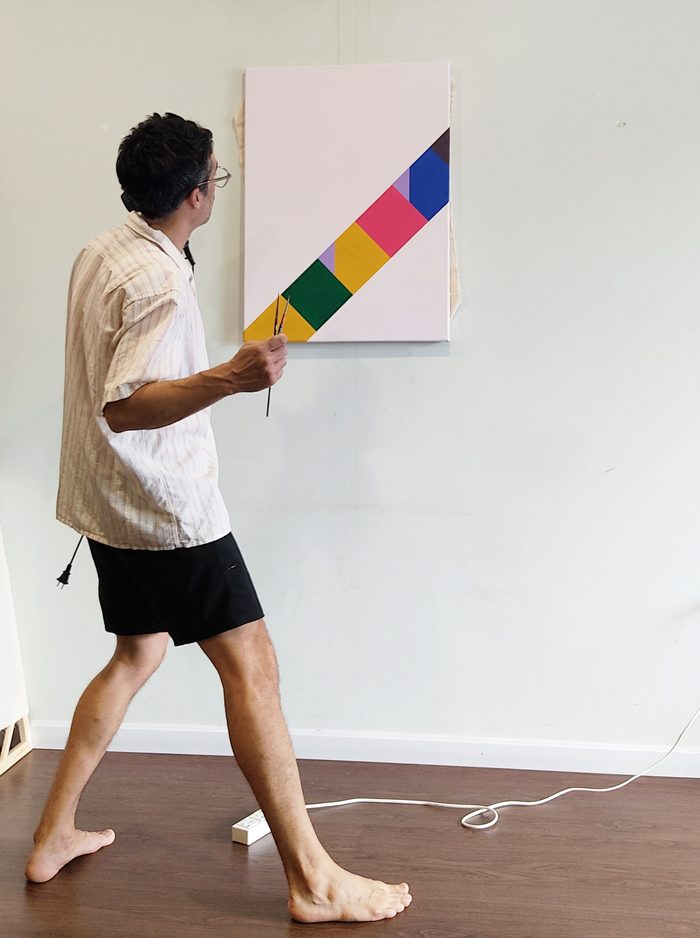
Selected Artist
About
Painting is perhaps one of humanity’s oldest acts. Long before it became an image, a craft, a commodity, or a field of knowledge, it was already a gesture: a body leaving traces in matter and discovering, through those traces, something of itself and of the world. I do not believe painting has fundamentally changed since then.
Every painting begins with a plan—a format, a surface, a sequence of operations, sometimes a visual source. These decisions are necessary, yet they serve merely as a starting point. If the work does nothing more than confirm them, the painting fails.
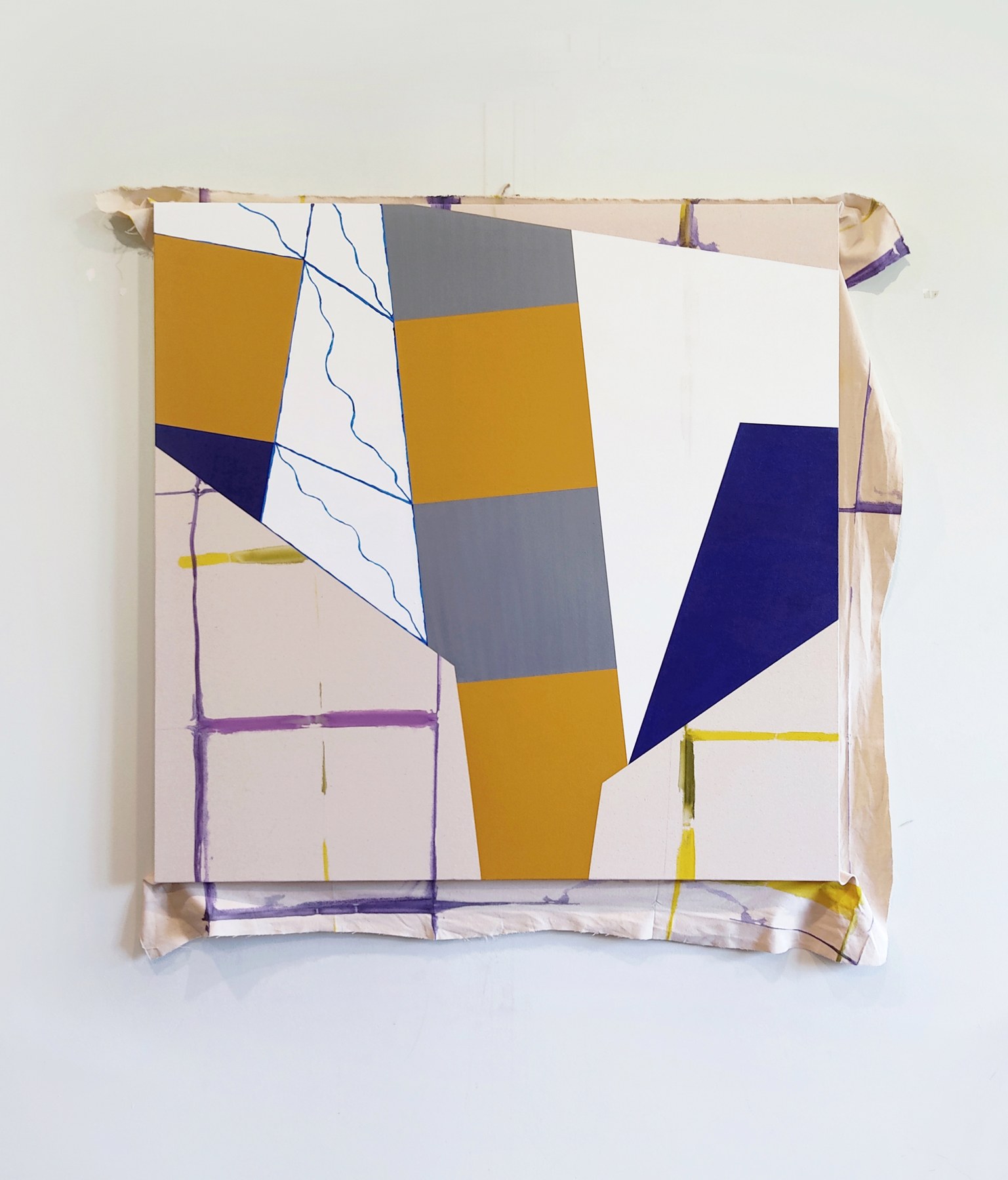
My practice unfolds around a raw formal inquiry: the study of color sequences and simple geometric structures. Far from a decorative pursuit, I view aesthetics in their most archetypal sense—as the expression of a fundamental, enduring relationship between the human spirit and the laws of form and perception. My paintings do not document, copy, or appropriate the identities of specific cultures; rather, they acknowledge and celebrate a convergence. The recurrence of similar color combinations and geometric grids across time—from ancestral textile arts to the vernacular expressions of geographically distant peoples—bears witness to a human constant.
Where some see isolated distinctions, I seek points of contact: that shared visual grammar which pre-exists within us all. Evoking these kindred forms and vibrations is not an act of erasure, but a quest for transcendental significance. The aim is to shed light on the invisible thread that connects humanity’s artistic expressions and weaves together the fabric of a shared spiritual heritage.
Selected works
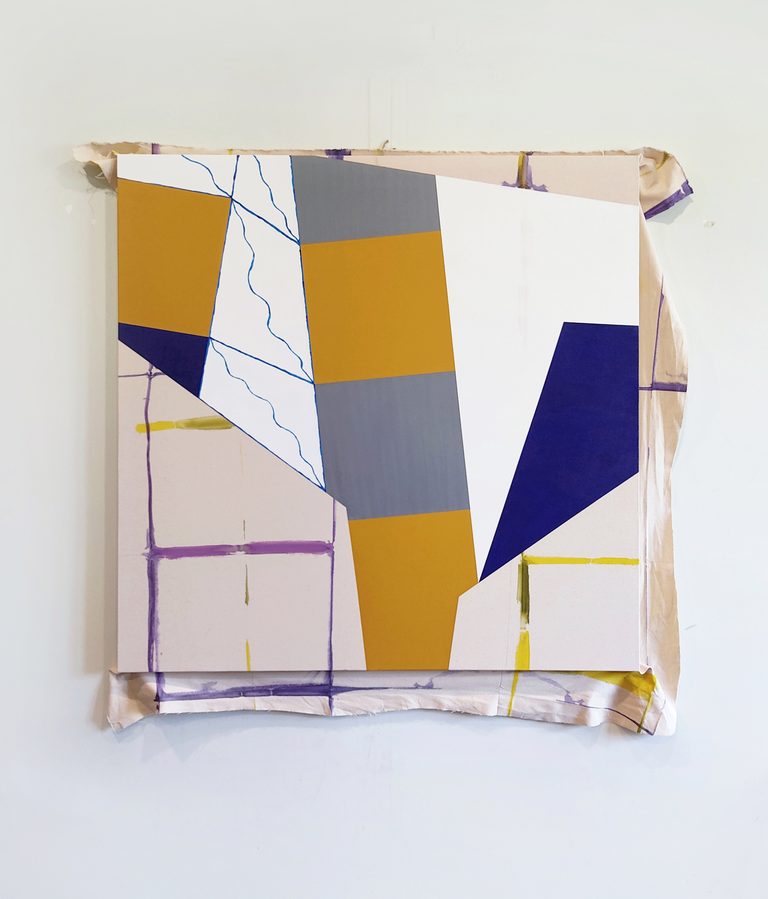
Forza, douceur et babillage (c)
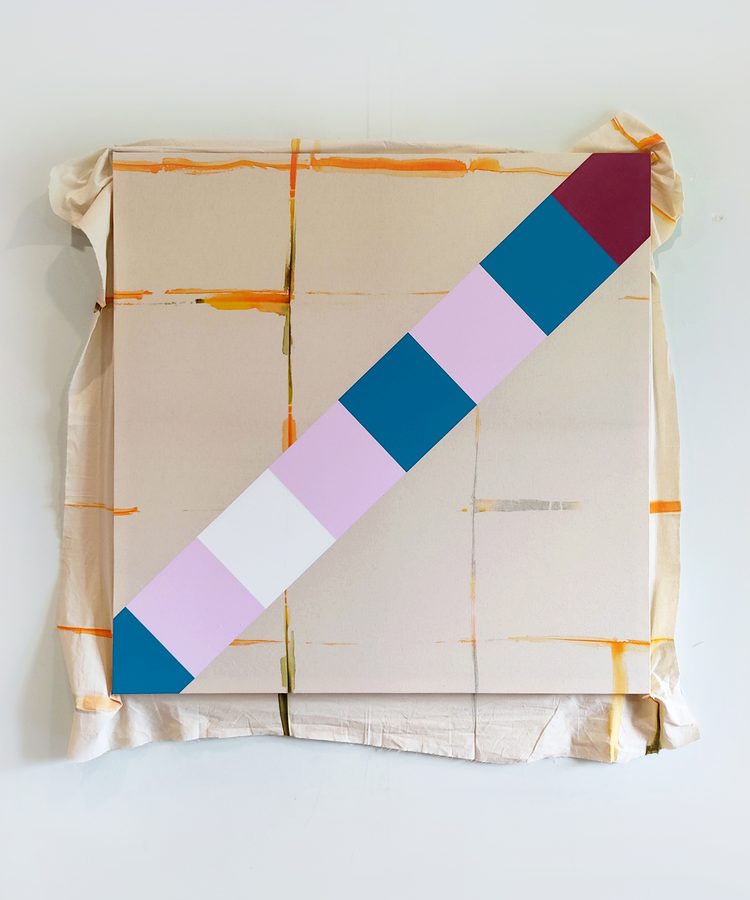
Forza, douceur et babillage (d)
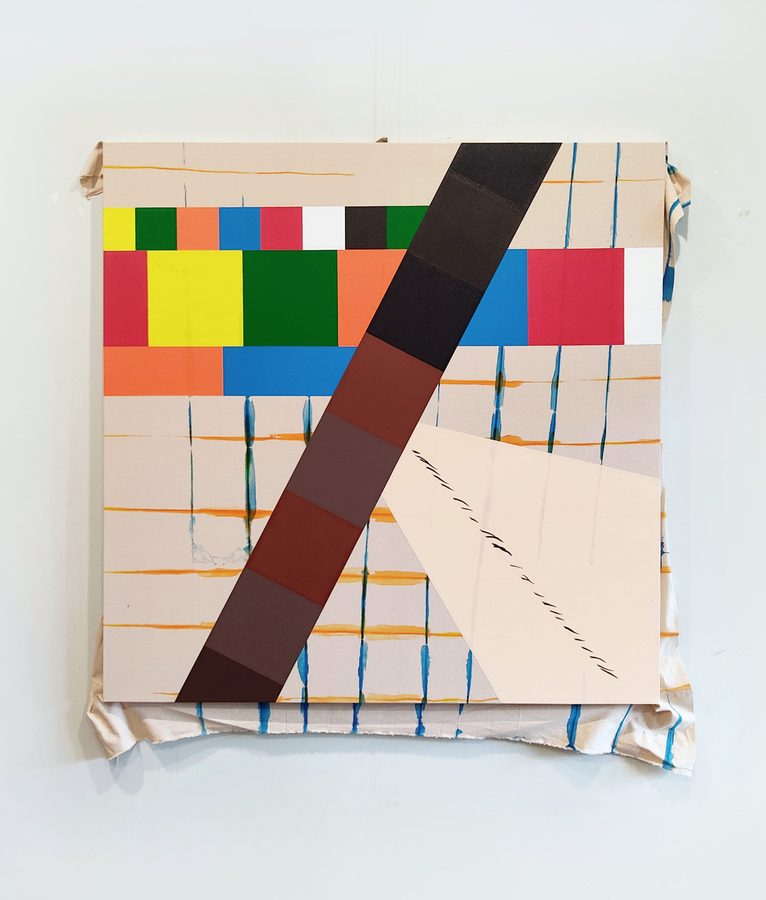
Identity / danh tính
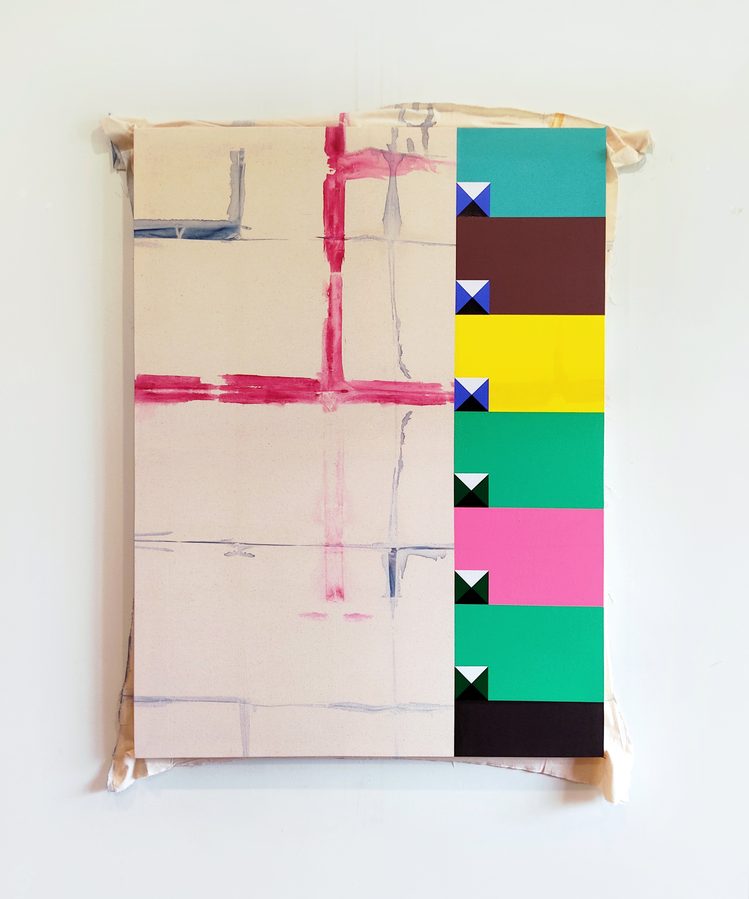
Mets ton écharpe tu vas prendre froid (d)
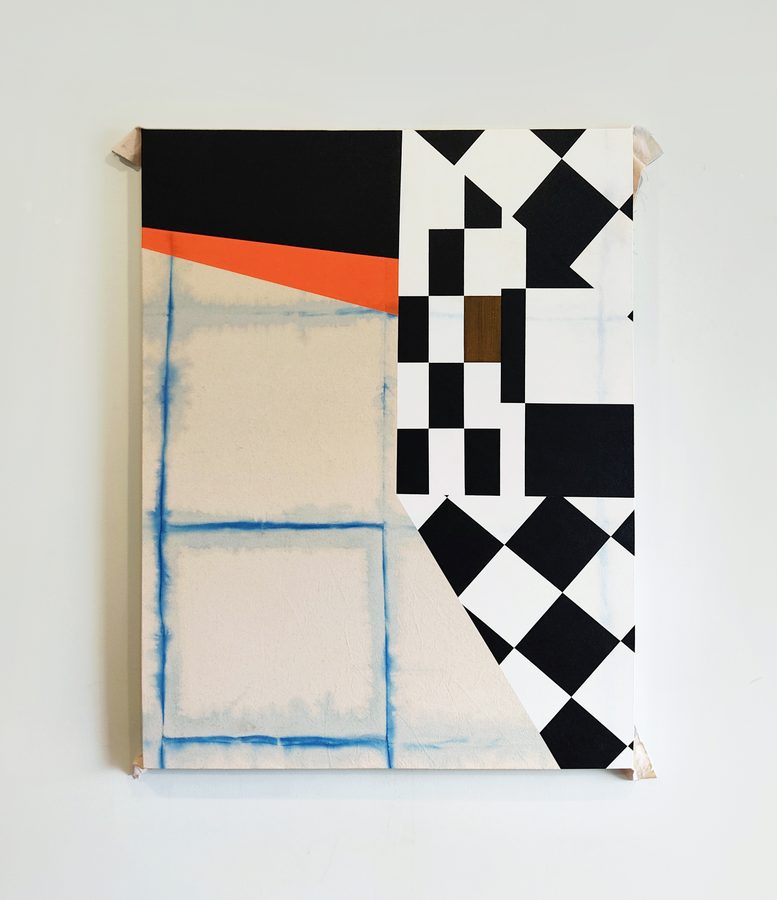
Soleil de plomb
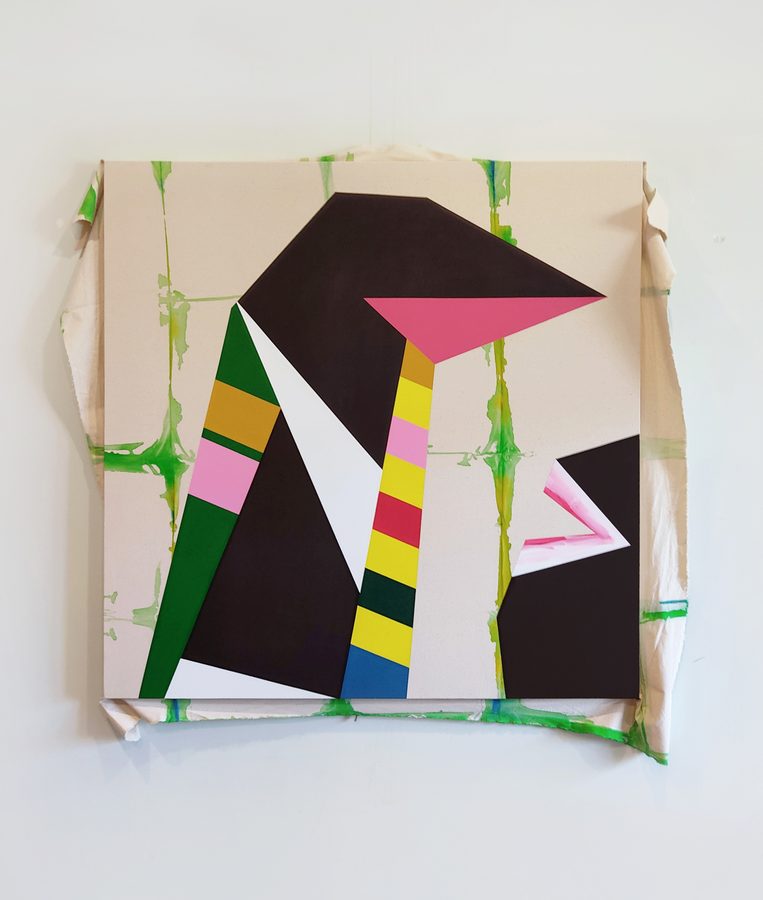
Un talisman Guston (d)
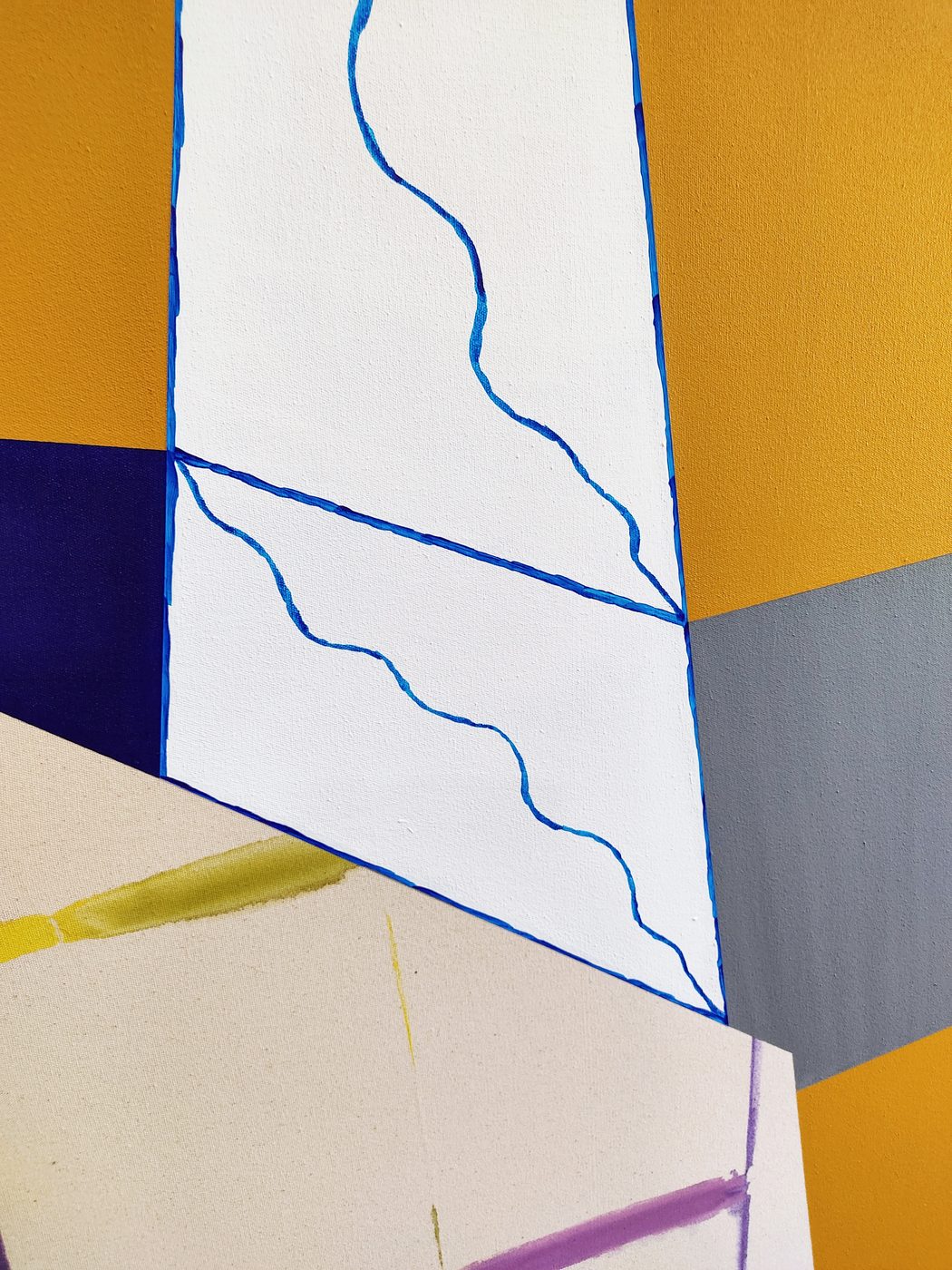
Forza, douceur et babillage — detail
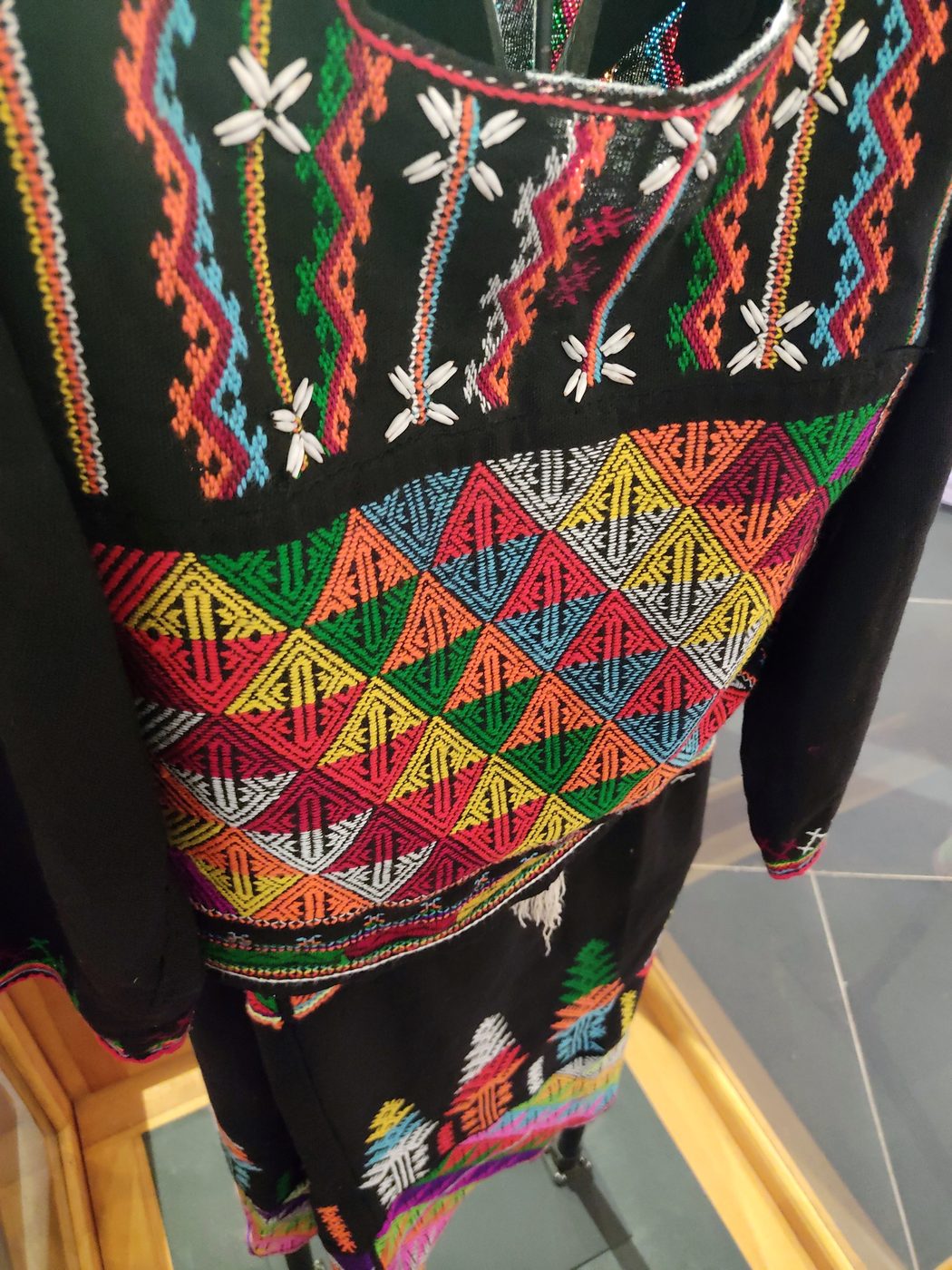
Garment for Identity / danh tính
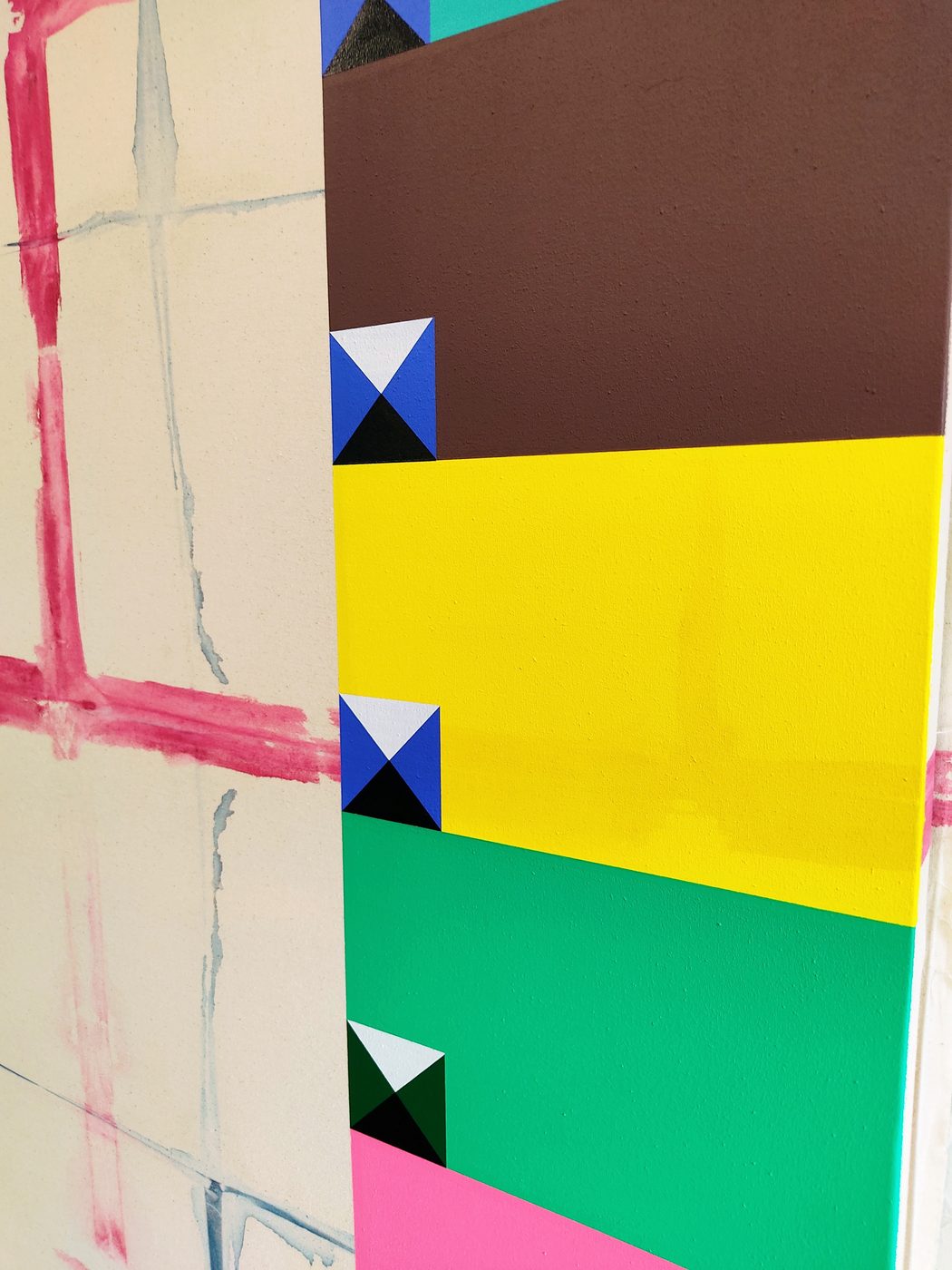
Mets ton écharpe tu vas prendre froid — detail
Q & A
Is geometry a constraint or a freedom for you — and has that answer ever changed?
Both I guess. Some gestures or types of vocabulary are abandoned in order to clarify what matters in the specific process. The freedom relies in the fact that when you have defined rules, you can 1. Always go beyond what was foreseen, 2. Always break the rules.
Walk us through your process — where does a piece begin, and how do you know it's finished?
It begins with the dying patterns that cannot be totally controlled and give a first direction. When stretching the dyed canvas, the grid reveals where to be covered or not. When you deal with minimal actions, each have to be relevant and surprises you as a whole. A painting is done when it doesn’t need an extra action. It can happen at the very first steps.
Is there something outside of art — a system, structure, or phenomenon — that quietly shapes how you think about form?
Answered in Bio
What does a viewer miss when they see your work as 'just geometry'?
In these times of visual extreme solicitations, it’s hard to watch at a painting. That’s why it’s important for me to give a few more clues. By living some raw canvas and artisanal dye, I think one shall wonder why and try to figure out where do the origins of the composition come from? It might not be that easy, but at least it disturbs the “only decorative”.
What's the last rule you set for yourself in the work, and did you keep it?
In talking to people, I realized how useful it was to show them images of clothing, old necklace designs, or engravings (such as that 500,000-year-old shell from Java adorned with triangles). I therefore want to stick to one rule: providing documentation and texts that give structure to the work.
Describe a failure or a dead end in your practice — something that didn't work.
I tried many times to add some words… always failed.
Newsletter
Curated open calls and one artist to know, every couple of weeks. Free, no spam.