Selected Artist
About
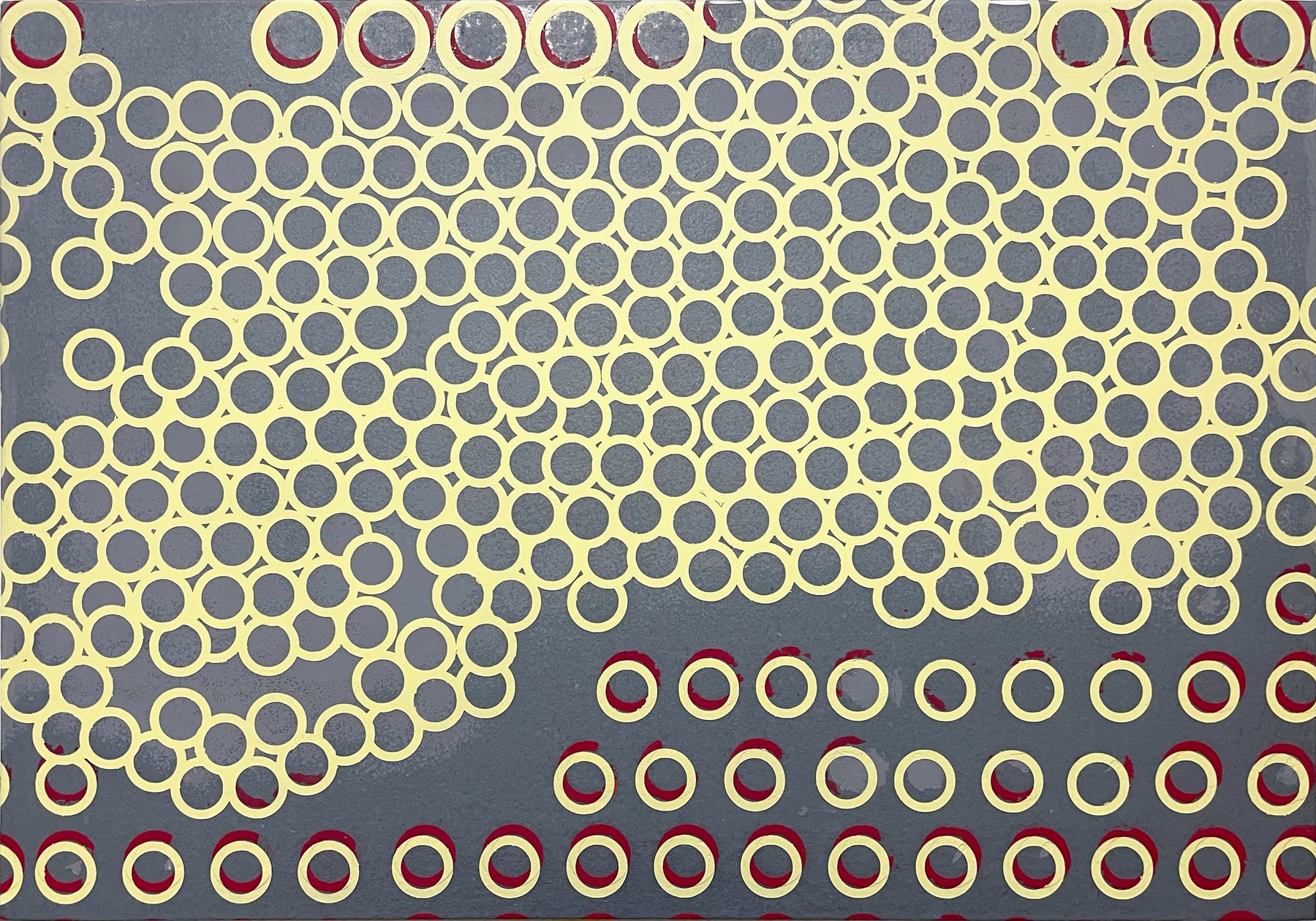
I have never been sure whether to define myself as a geometric artist. Dealing with the concepts of order and chaos is the major theme of my work. I have never been afraid to experiment with different media and materials, always making use of their intrinsic possibilities. Nevertheless, my focus has always been on painting.
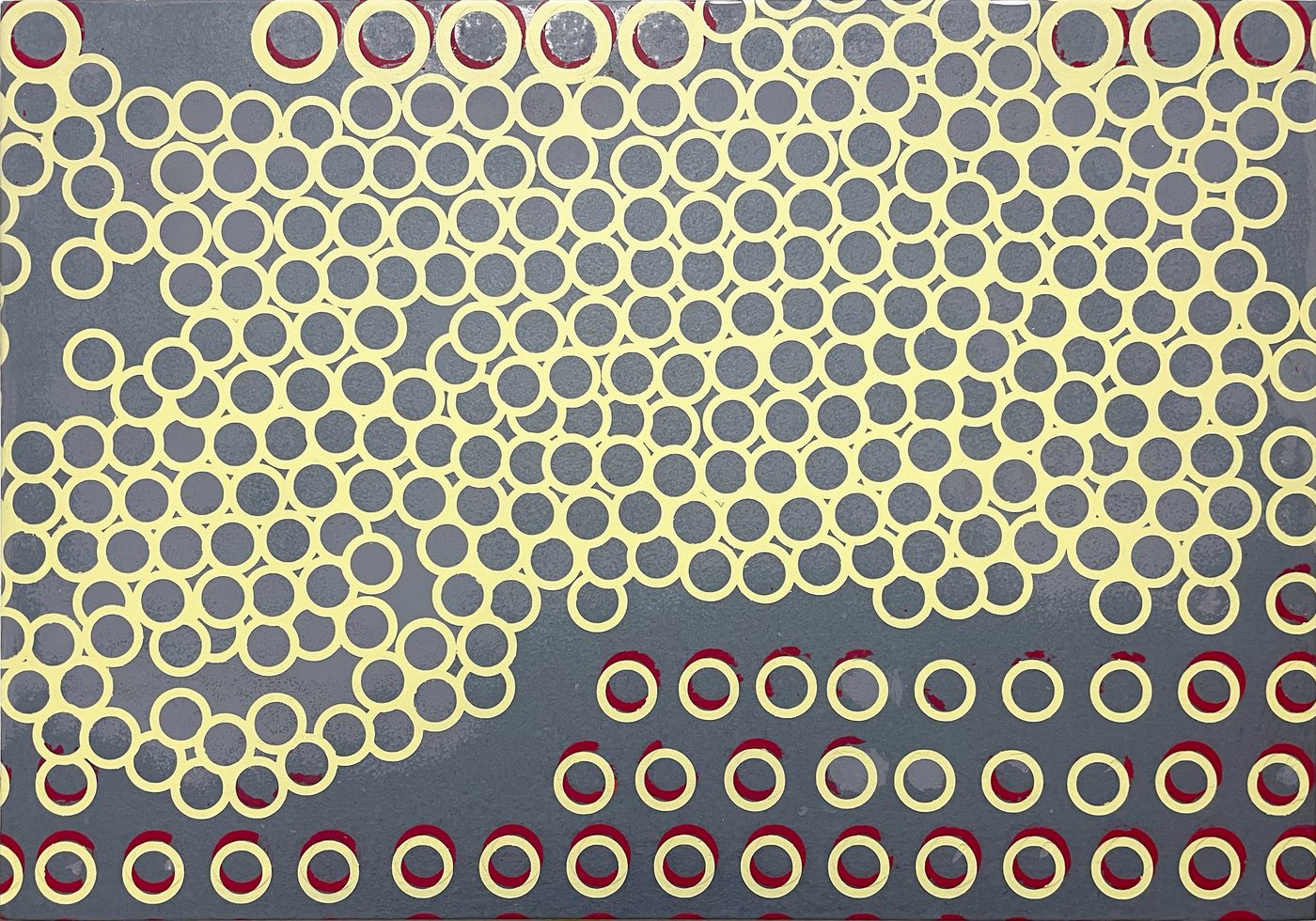
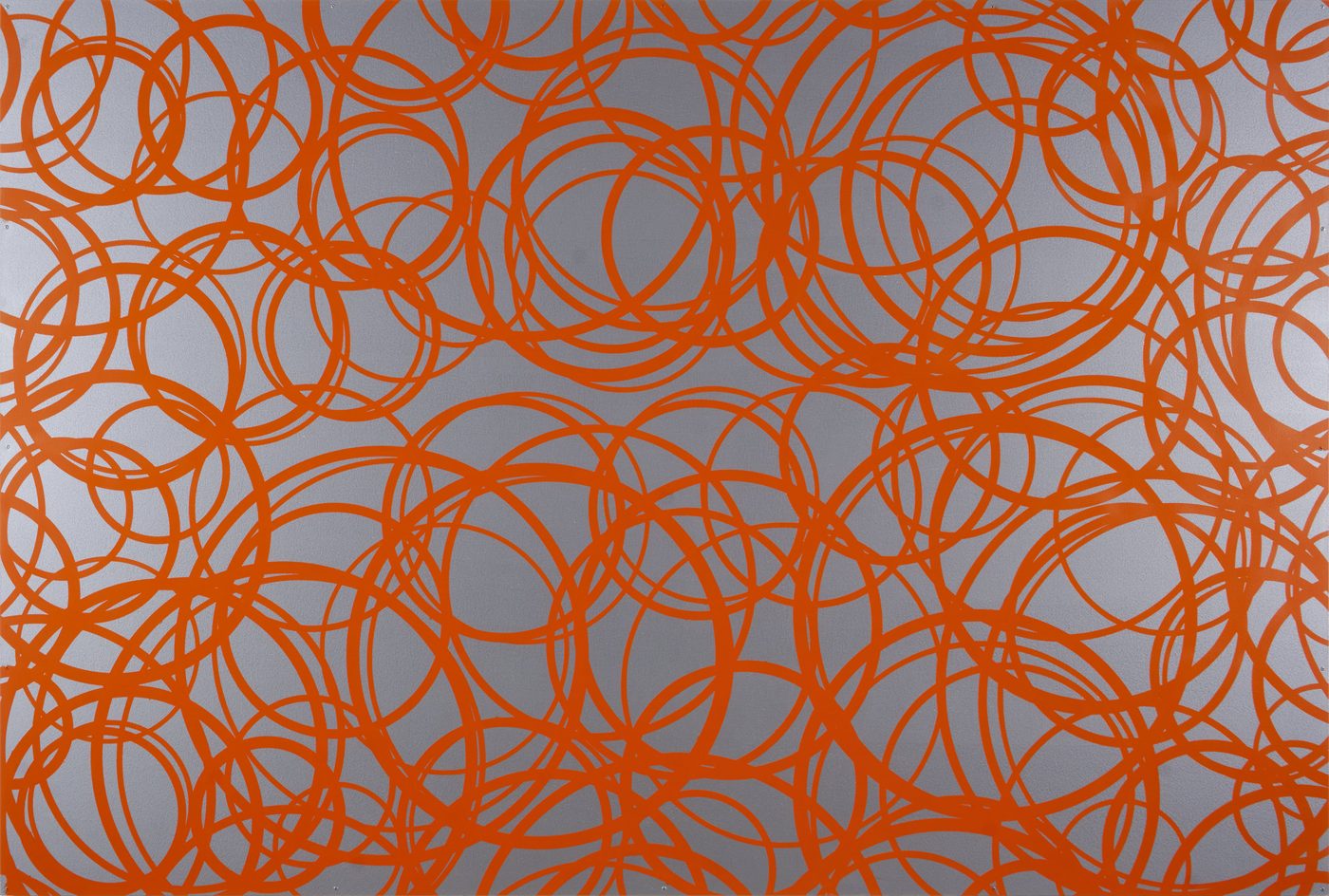
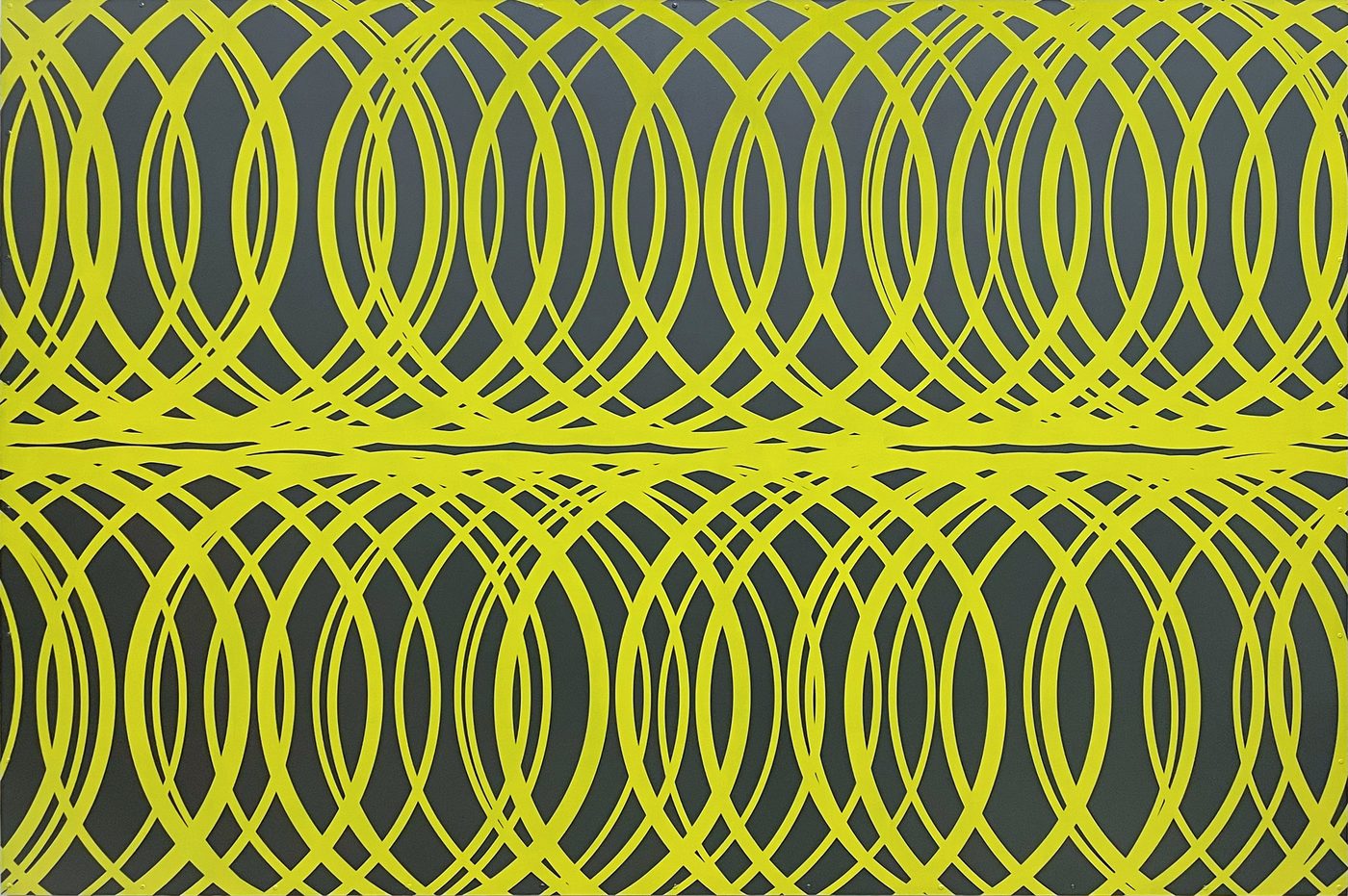
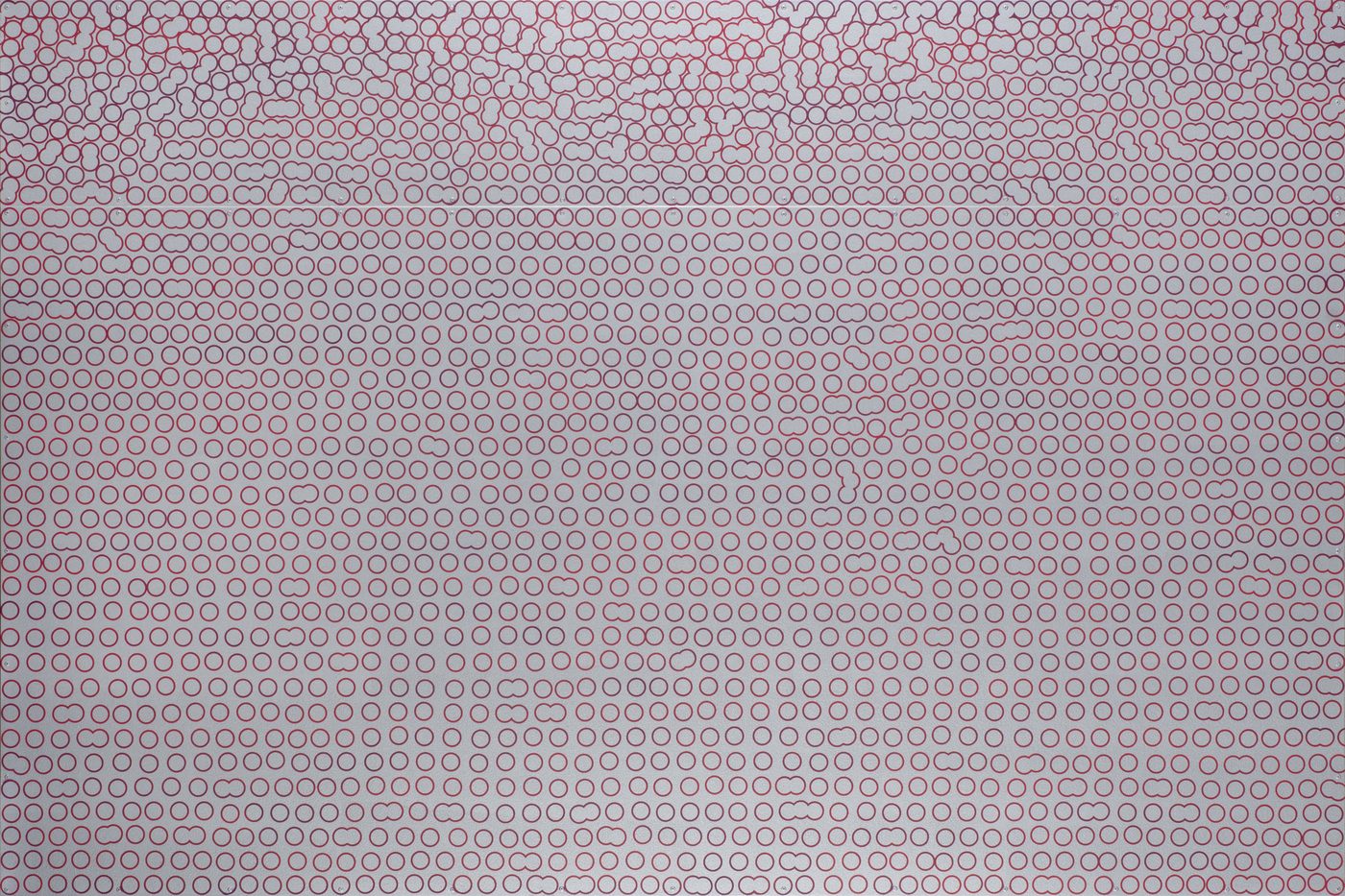
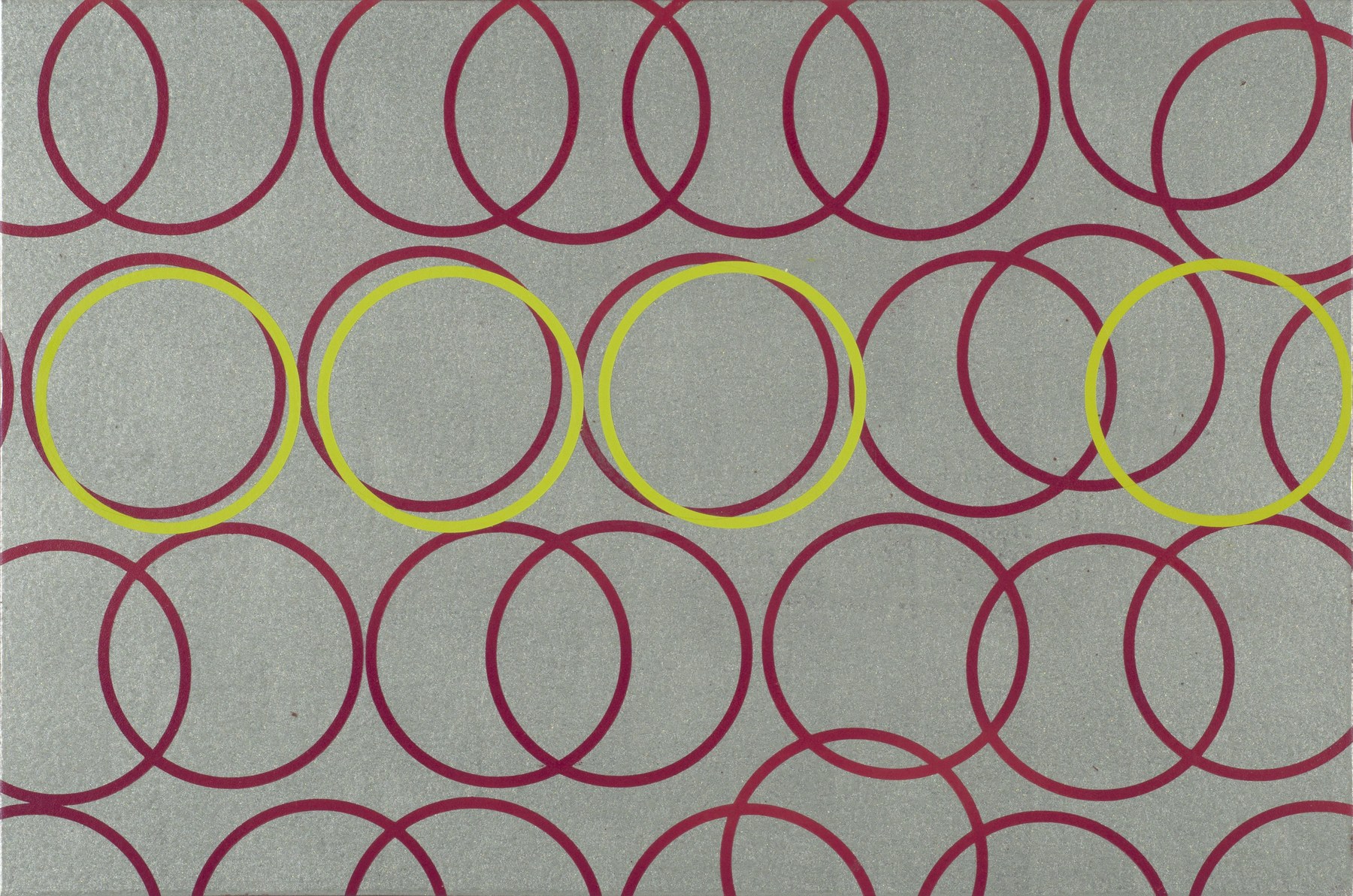
By painting similar, but not identical, elements repeated systematically in a series, I explore the fundamental underlying systems and structures of 'order'. The most interesting point is reached when an order seems to have a geometrically comprehensible structure yet contains some kind of disturbance. This flaw, as small as it may be, questions the whole system — this refers in equal degree to how we perceive art and how we understand the world as a complex system.
The single piece derives its meaning from the role it plays as one part of a bigger system.
Selected works
Claus Prokop
Claus Prokop
Claus Prokop
Claus Prokop
Claus Prokop
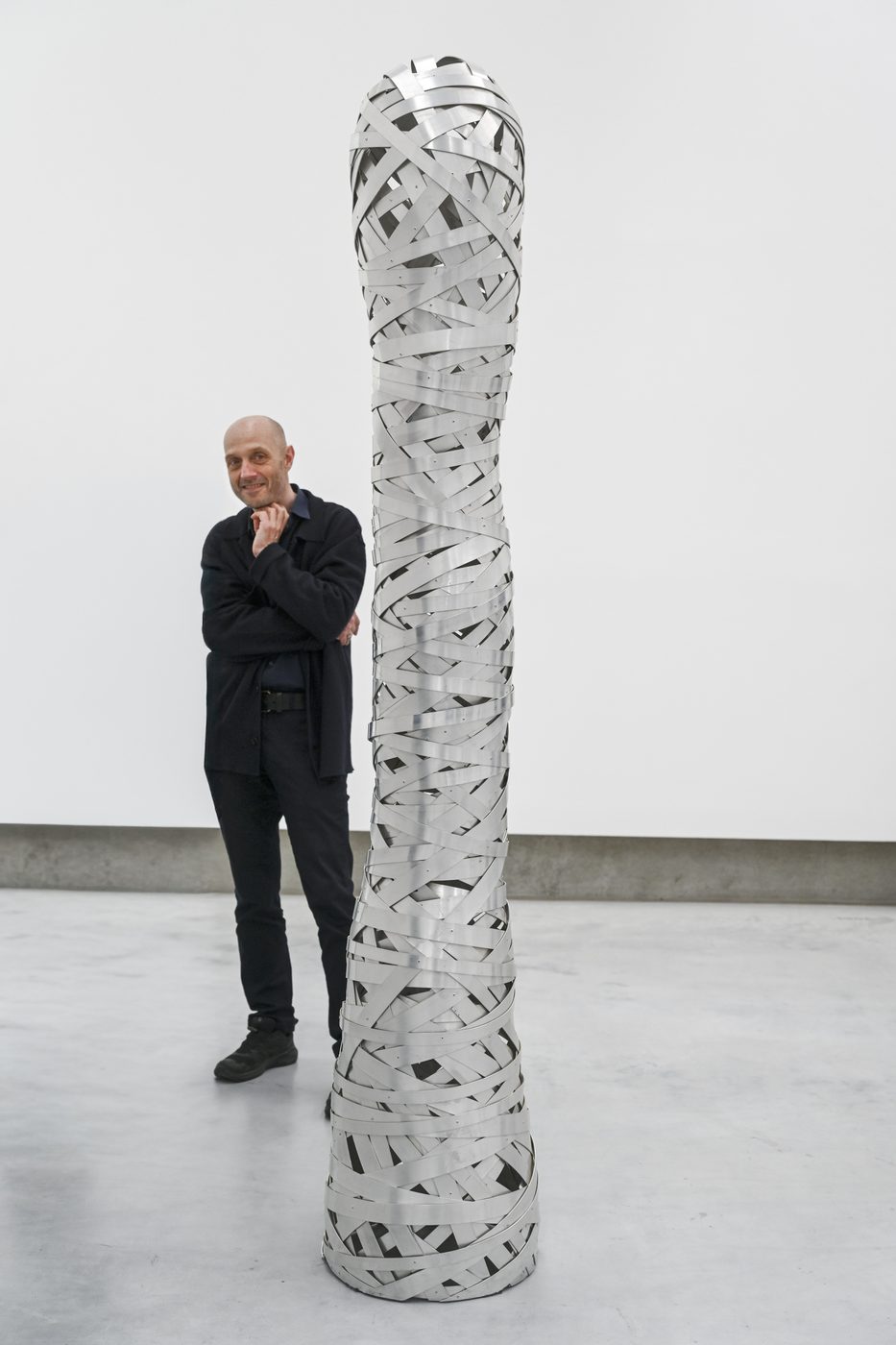
Le La Tour, 240
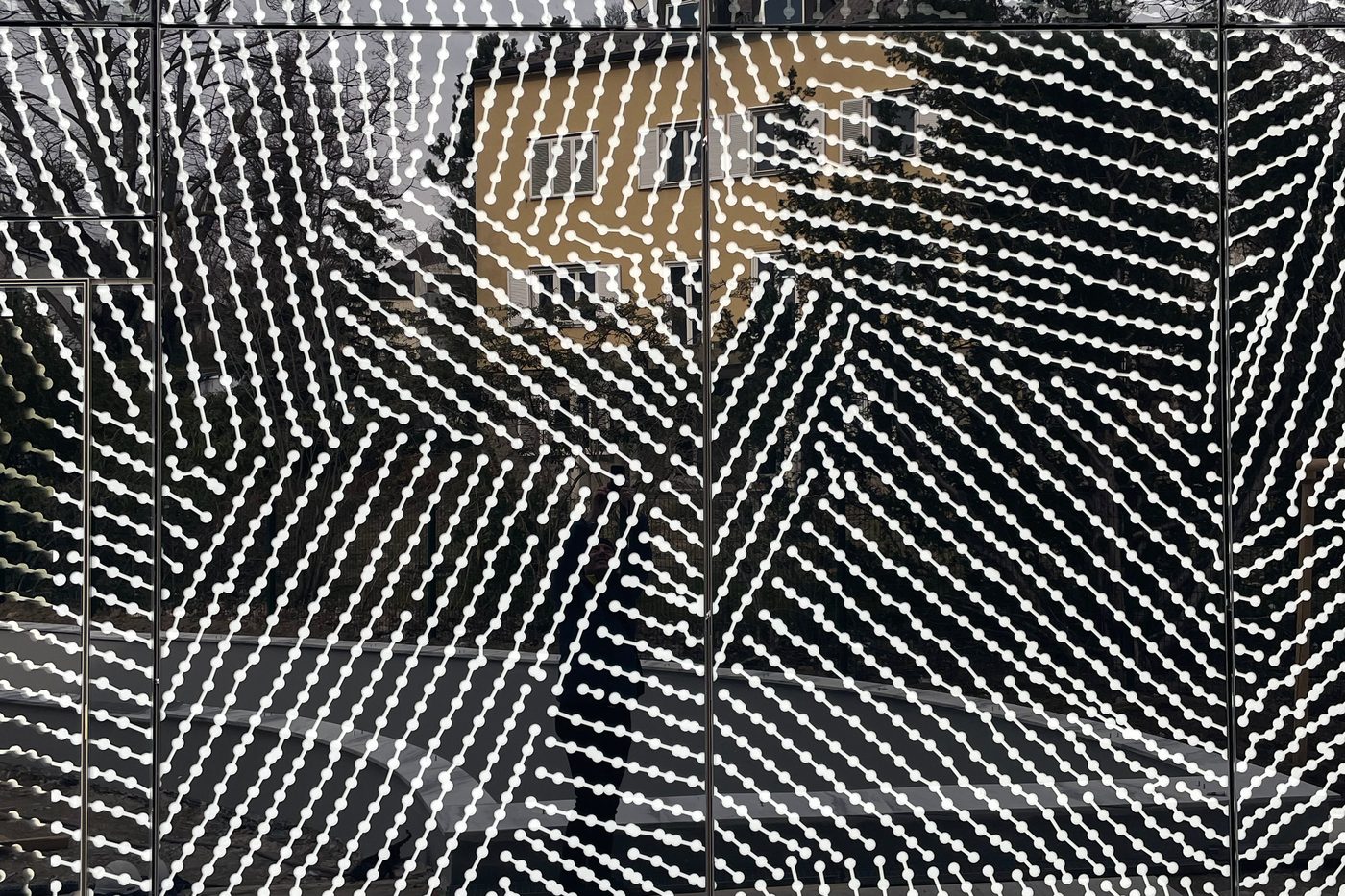
Villa 1190
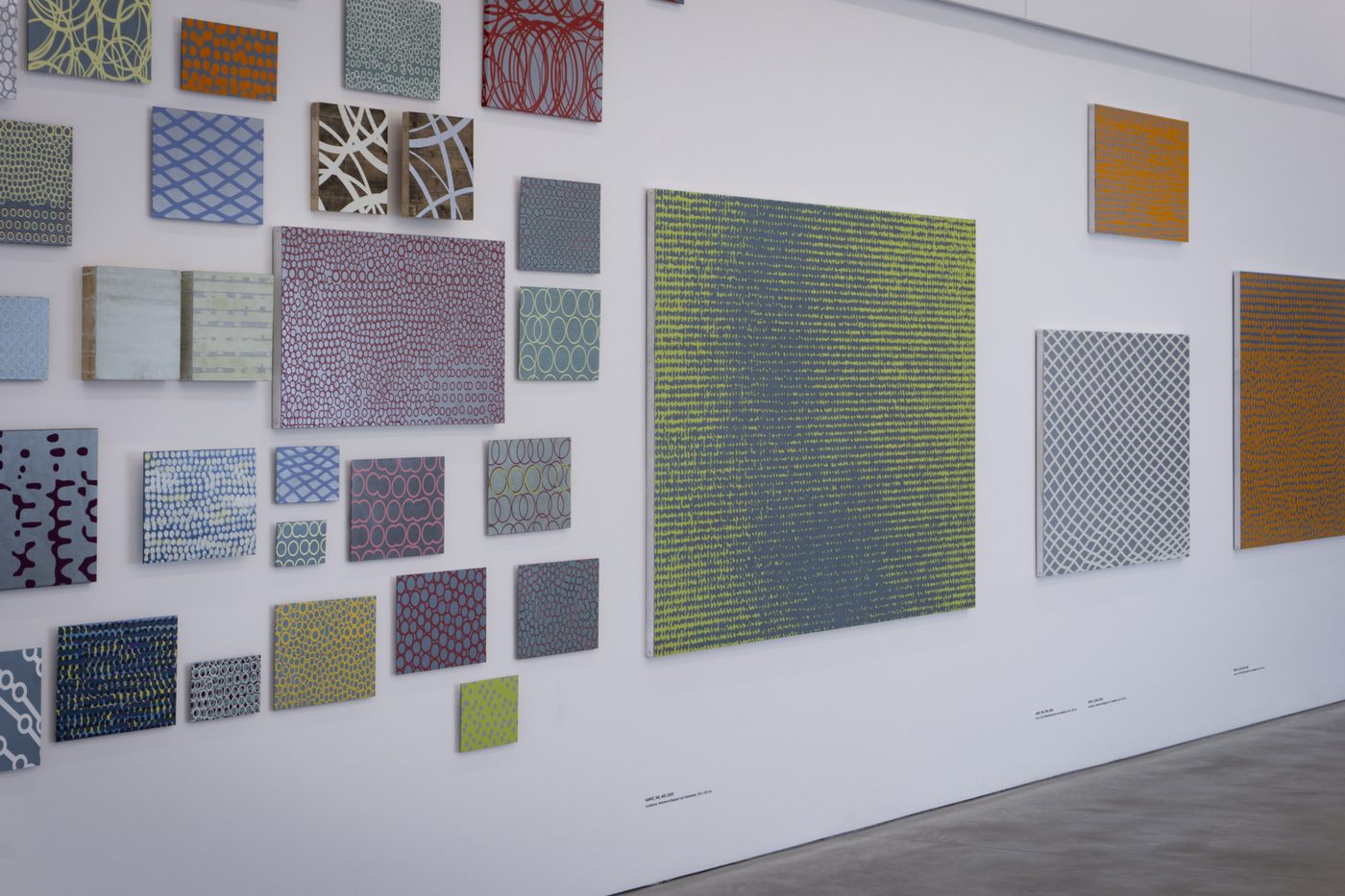
Exhibition view
Q & A
Is geometry a constraint or a freedom for you — and has that answer ever changed?
It is a constraint and a freedom at the same time. The constraints imposed by geometry enable me to break free from them. If there were no rules or limitations, there would be no freedom. I began my career as an artist after completing my education as an architect. At that time, I wanted to break free from all the limitations of that profession. Initially, I thought I could invent everything completely anew in an art brut manner, but soon realised that such an approach was impossible.
Walk us through your process — where does a piece begin, and how do you know it's finished?
A lot of what I do is based on several basic patterns, which are either drawn on the computer, extracted from previous work, or developed for projects in connection with architecture. I have been working with these patterns for years, sometimes decades, using designs that were an intermediate stage or a dead end in another project. The basic patterns are modified, reformulated and adopted in terms of scale and dimension to produce stencils using a vinyl cutter. Most of this process is digital, but it is important to me that the final steps are analogue. This includes building and coating the panels, as well as applying the final layers using spray paint or a roller. After removing the stencils, the piece is finished — this process does not allow for corrections. If the result is not satisfying, everything has to be redone.
Is there something outside of art — a system, structure, or phenomenon — that quietly shapes how you think about form?
A significant part of my work consists of trying to understand complex systems, including the theories of order and chaos. I have always been fascinated by the fact that similar types of order can be found to the same extent in the microcosm as in the macrocosm. This led to a deep interest in science, from microscopy to everything connected with space exploration. I am also very interested in history, politics and society. "Crowds and Power" by Elias Canetti has been an influential book for me — dealing with the dynamics of crowds, Canetti argues that individuals transform into a mass by dissolving their sense of individuality. This mass becomes an organism, a collective entity that obeys its own inherent rules.
What does a viewer miss when they see your work as 'just geometry'?
The whole story that is behind the surface.
What's the last rule you set for yourself in the work, and did you keep it?
Though the basic image is usually elaborated on a computer, it is very important to me that the final step of transforming it into a painting is always analogue and handmade. I have been able to keep to this rule except in the case of some projects connected with architecture that were too technically complex to be executed on my own.
Describe a failure or a dead end in your practice — something that didn't work.
In a way everything I do is a kind of experiment, and the nature of an experiment is that it can fail. Therefore, failure is part of my process. As I love experimenting with materials because of their inherent aesthetics, it can happen that a new type of paint may not adhere to the underlying surface and a visually satisfying piece may therefore be ruined. On the other hand, I think it absolutely normal that some pieces appear finished yet are definitely not great. Either way, I only remove what is absolutely necessary and start reworking them, including the traces of my previous failures. Of course, there are also many unfinished projects that I began but never found the time or energy to complete. Whether they truly belong in this category is open to question, since some of them are not unfinished in principle, but merely waiting for the right moment to continue.
Newsletter
Curated open calls and one artist to know, every couple of weeks. Free, no spam.