Selected Artist
About
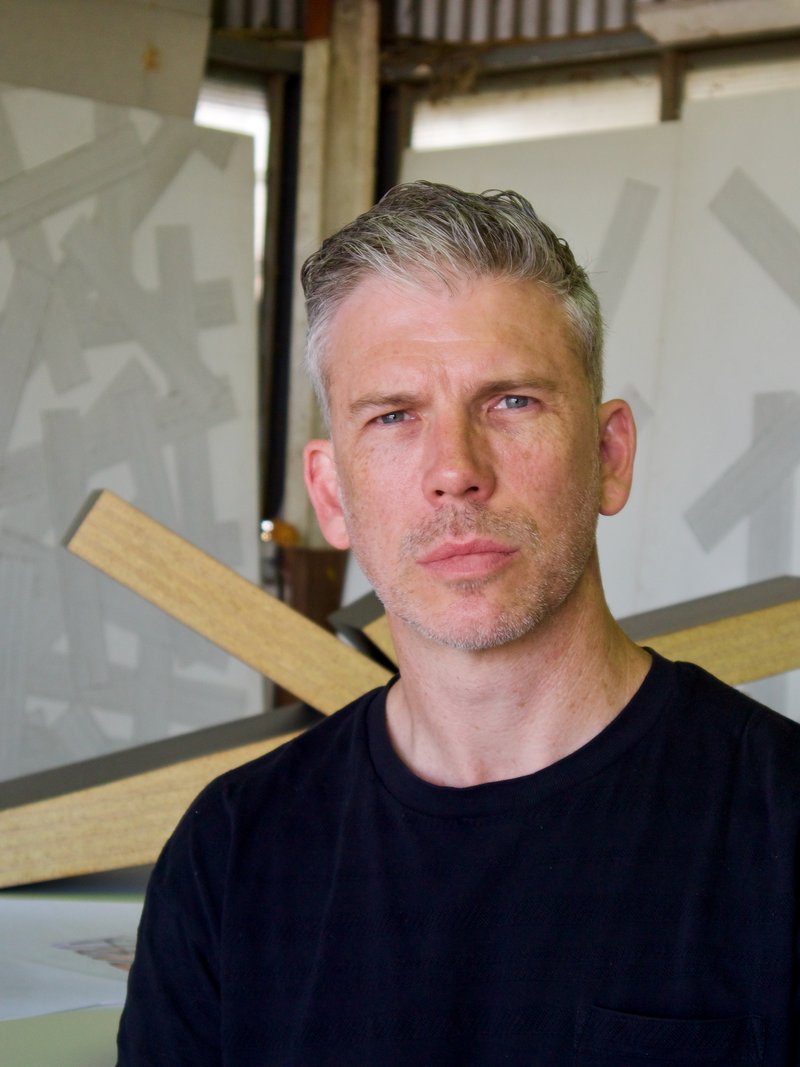
Daniel Templeman (Australia, 1974) has been working predominately in public art since 2003, with over 20 large-scale commissions that stretch across the Asia-Pacific. He has worked with leading international design teams, fabricators, curators, and consultants. He was the lead artist on the world's first buoyant artificial reef, "Wonder Reef" on the Gold Coast, installed in 2022.
He develops his work through the notion of change. As light and the viewer move to, through and around the work, perceptions of both the sculpture and its surroundings continually evolve. The work transforms its environment as much as it is transformed by it. Each sculpture is a proposition that invites an exchange between object and subject, body and site, encouraging an active and embodied experience of place.
Selected works
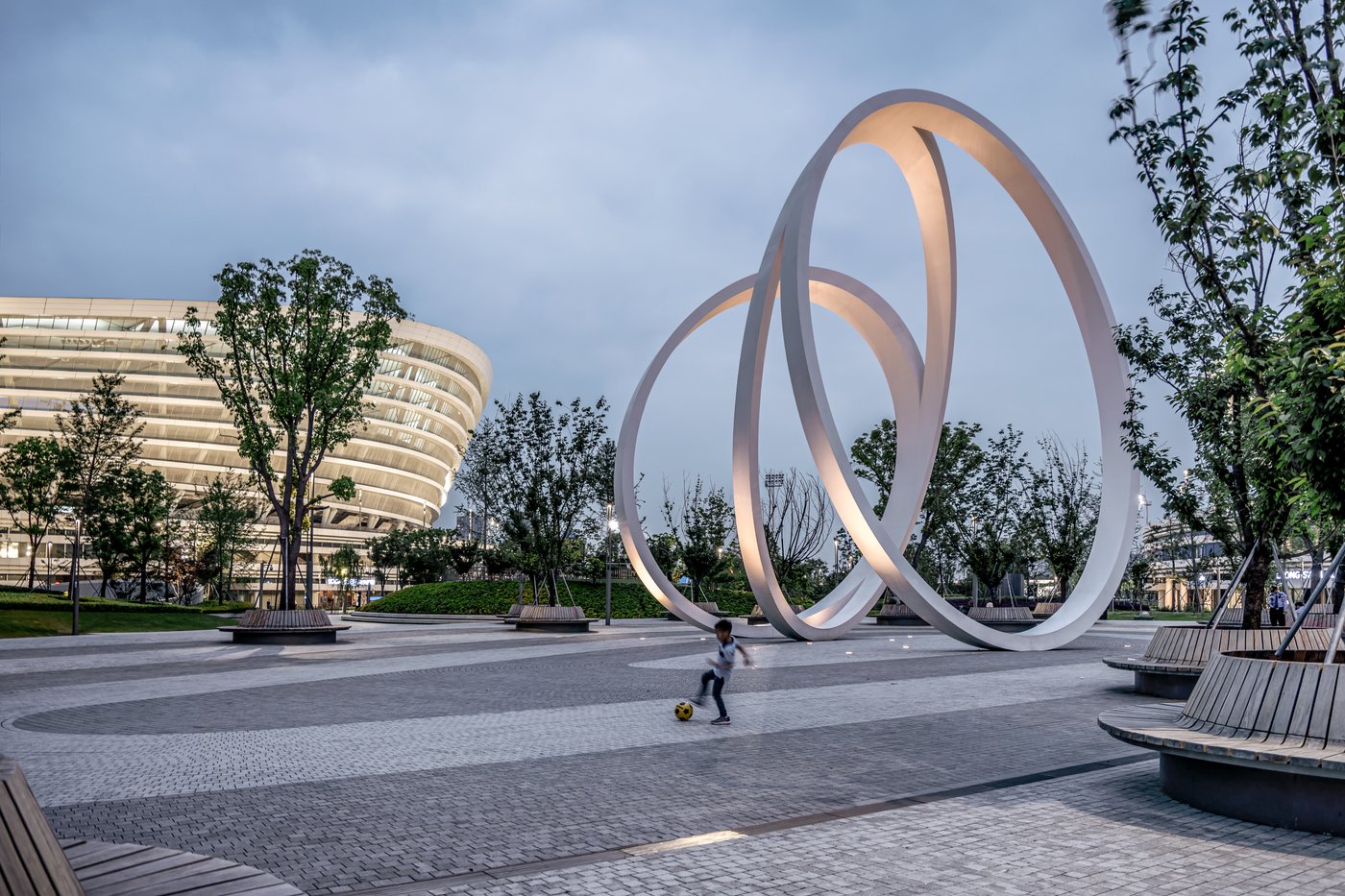
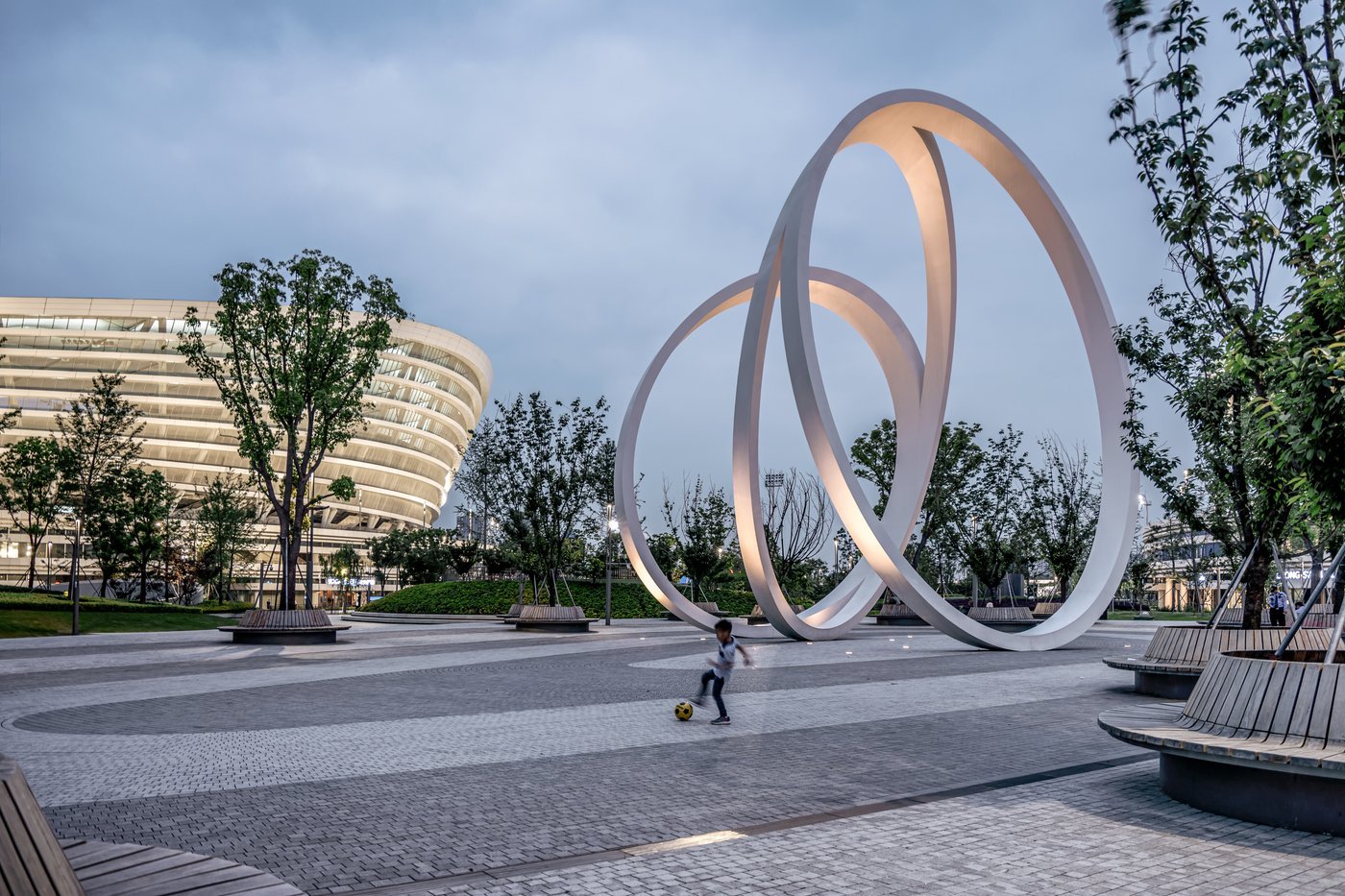
Three Rings, 2018, 15M×9M×9M, Suzhou, China
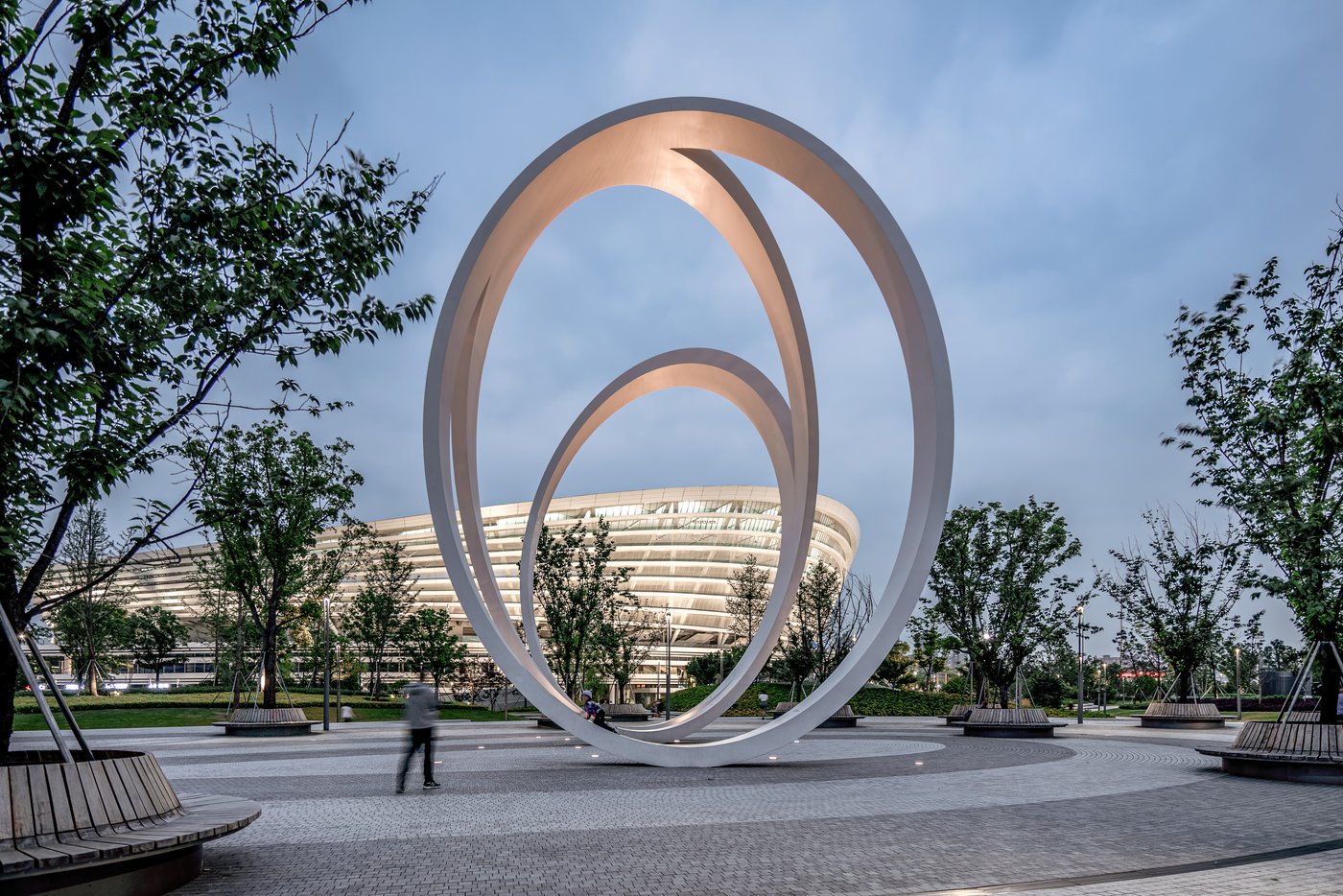
Three Rings, 2018, 15M×9M×9M, Suzhou, China
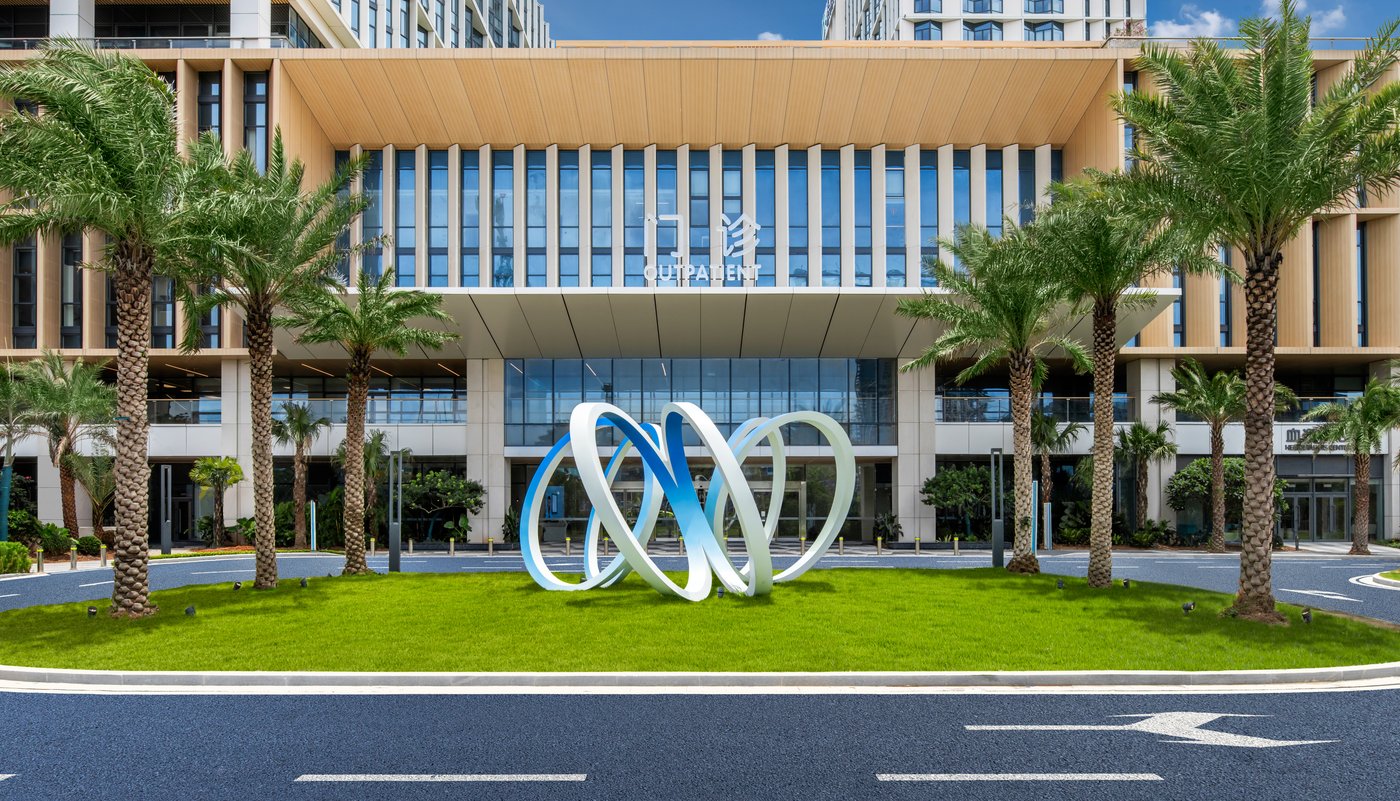
Beneath the Flowers, Above the Leaves, 2025, 3 pairs of rings each 3.2M×2.8M×2.2M, Shenzhen, China
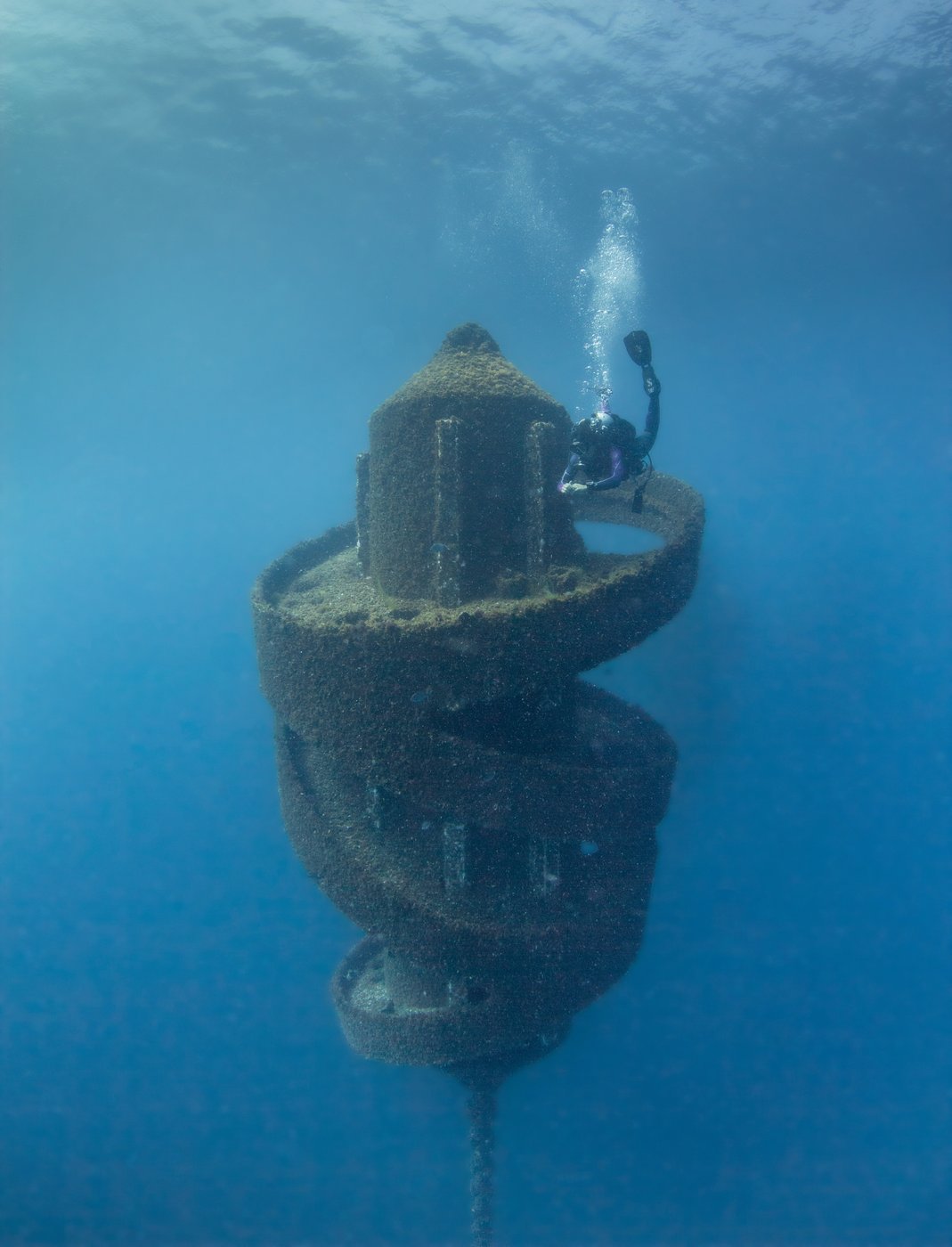
Wonder Reef, 2022, 9 buoyant reefs each 20M above the seabed, Gold Coast, Australia
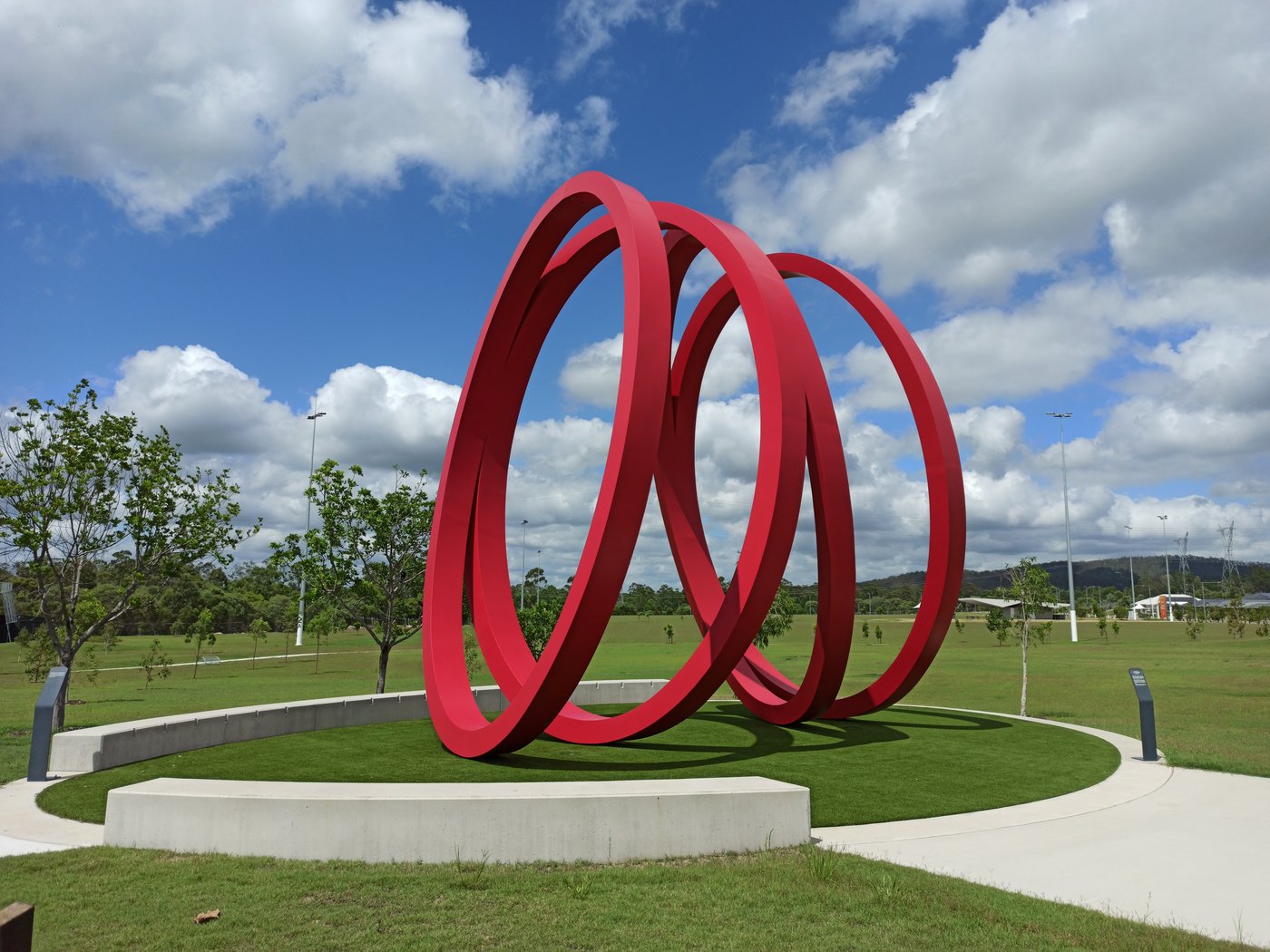
Four Rings, 2019, 8M×6M×6M, Arrabilba, Australia
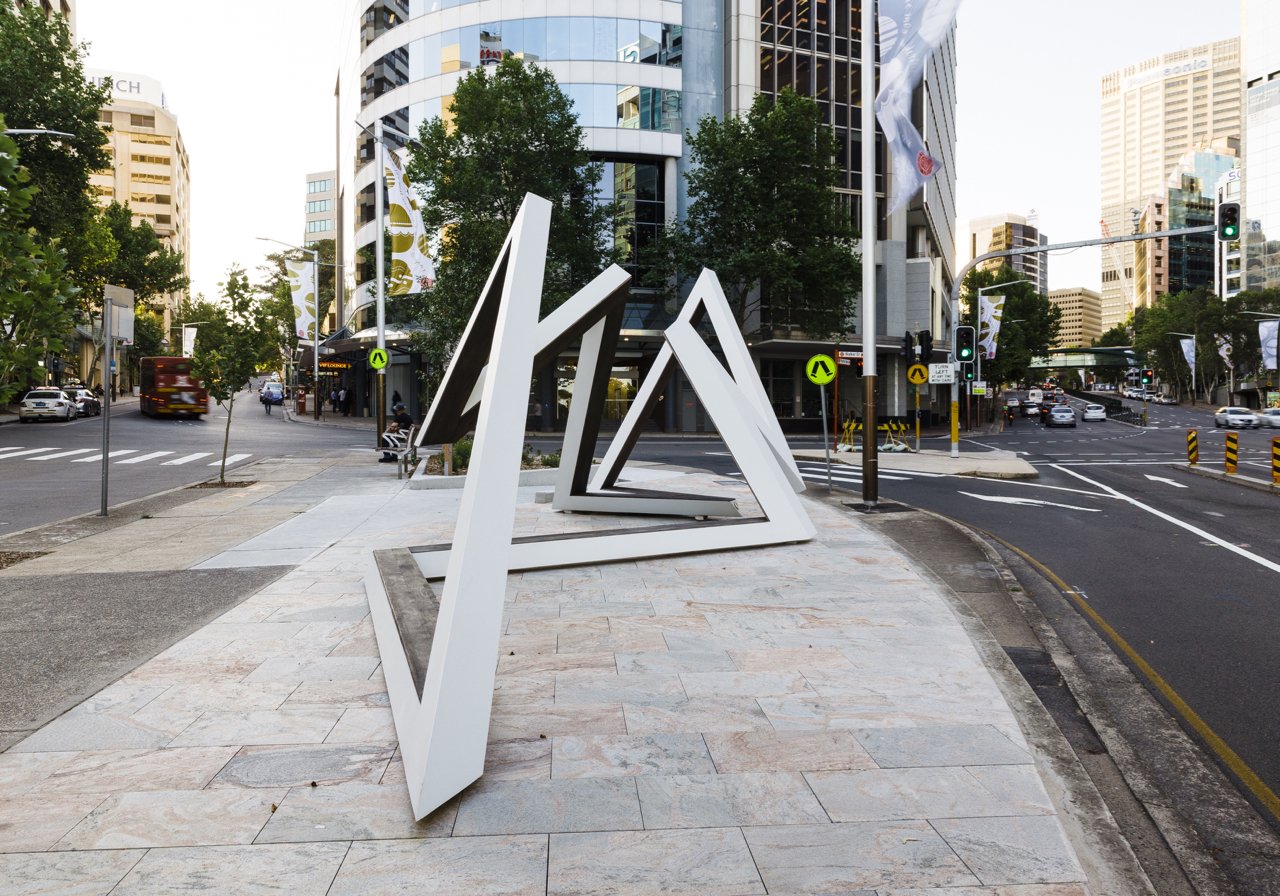
Missing Corners, 2016, 10M×3.2M×3.2M, North Sydney, Australia
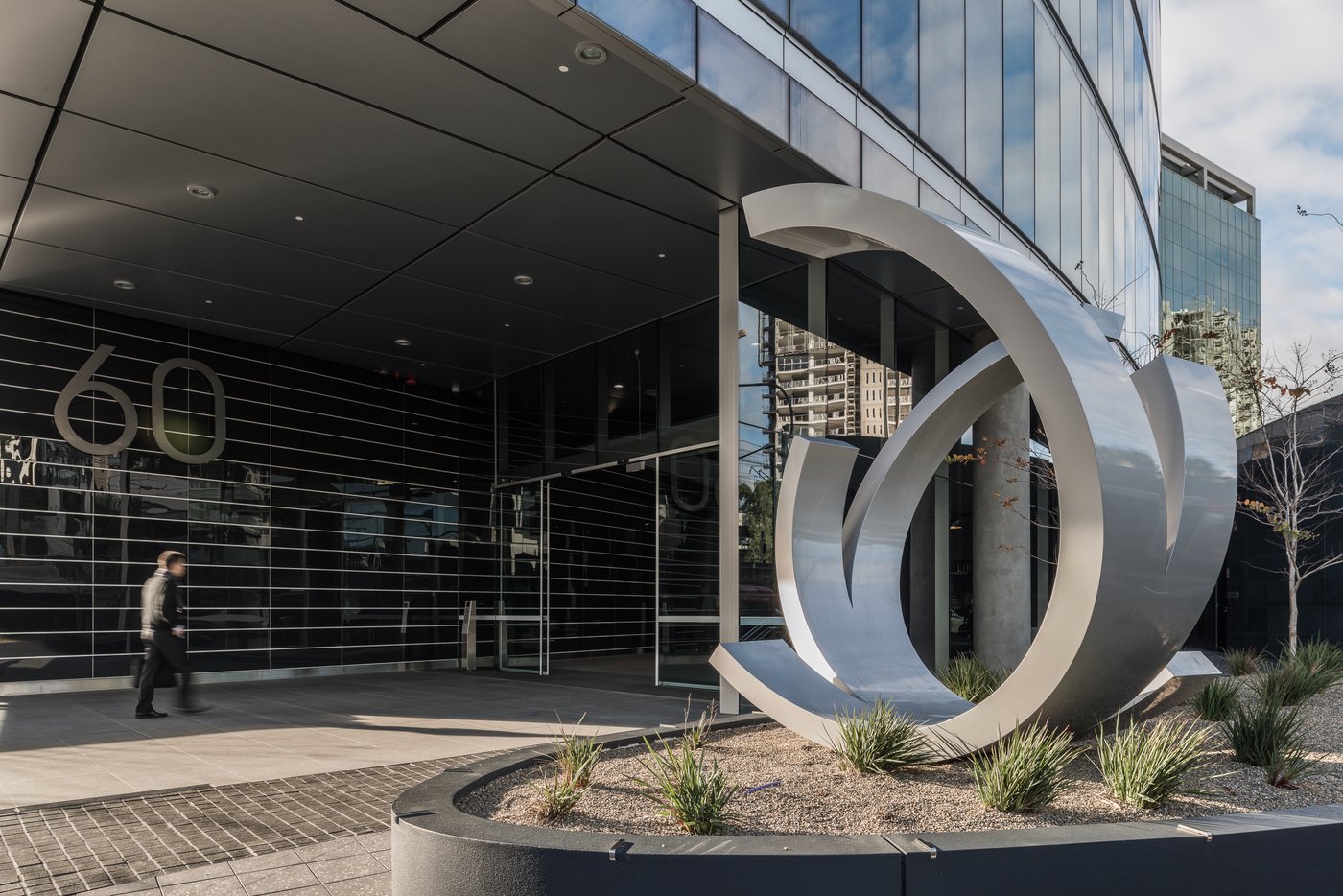
Three Arcs, 2013, 4.6M×3M×3M, Parramatta, Australia
Q & A
Is geometry a constraint or a freedom for you — and has that answer ever changed?
Geometry allows me to open many spaces — spaces between fluid and fixed, static and active, mind and the body. As the viewer establishes their own set of possible relationships with the work, the work is 'activated' — ultimately creating meaning through what the work does, rather than what it is.
Walk us through your process — where does a piece begin, and how do you know it's finished?
My work begins with the site. I spend time there to get a sense of how I can amplify or contrast existing conditions. I then build models and play with colour, surface, light and scale until I feel I have a sculpture that draws the space towards it and vice versa. The next part involves fabrication and installation, and is centred on maintaining the artwork's original intent.
Is there something outside of art — a system, structure, or phenomenon — that quietly shapes how you think about form?
Time is my primary influence — the play of sunlight across the day, the time it takes to move to, through and around a work, the way time changes the work, and how one's impression or relationship with the work changes over time.
What does a viewer miss when they see your work as 'just geometry'?
Perhaps the viewer misses the opportunity to apprehend themselves in an exchange with the work, and that this exchange happens in the body and it happens in the moment. Geometry allows me to point directly to the 'now', by removing anything that points away from the work like symbology or figuration.
What's the last rule you set for yourself in the work, and did you keep it?
If I can easily work out how to make a sculpture, then I don't make it.
Describe a failure or a dead end in your practice — something that didn't work.
When the work doesn't ask the viewer to move, I feel like the work has failed.
Newsletter
Curated open calls and one artist to know, every couple of weeks. Free, no spam.