Selected Artist
About
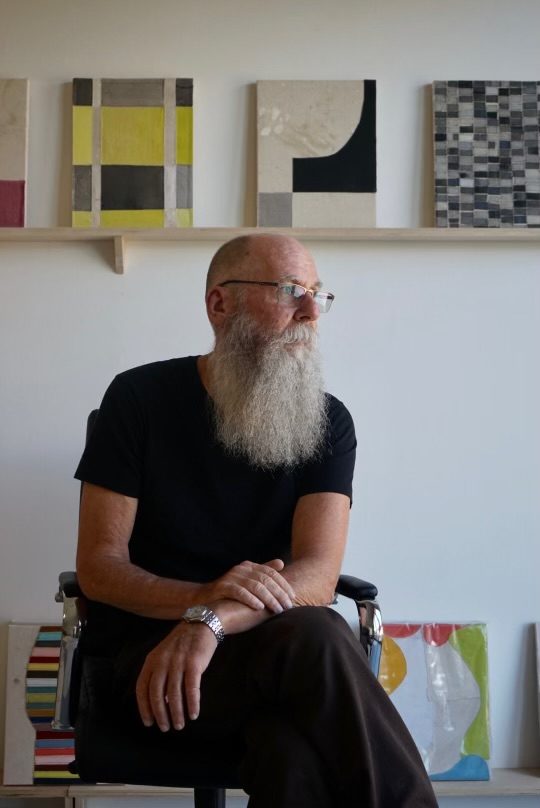
Jonathan Parker makes his work using simple, direct processes: painting colours onto canvas or fabric, cutting shapes from the painted material, then sewing the shapes onto a canvas background. When finished, he stretches the piece on a stretcher bar.
His pieces include elements of drawing, painting, and more provisional approaches like mending and appliqué. He relies on the physical qualities of his materials — canvas that is stained or marked, with raw cut edges that have a rough feeling — to evoke different associations.
The invented shapes are important elements in his compositions; they can be minimal or more layered and complicated, depending on where the work takes him. His default approach is that less is more, but occasionally he recognizes that a piece requires more than less, so he follows the direction the work in progress suggests, participating in the discovery and development it inspires.
He works by intuition or feeling, using a sensibility he has developed over time to guide him, rather than his critical mind. In this way he has eliminated some of the internal thinking, which for him can get in the way. He does his work, one piece at a time, trying to have no expectations — just an open heart for what is to come.
Selected works
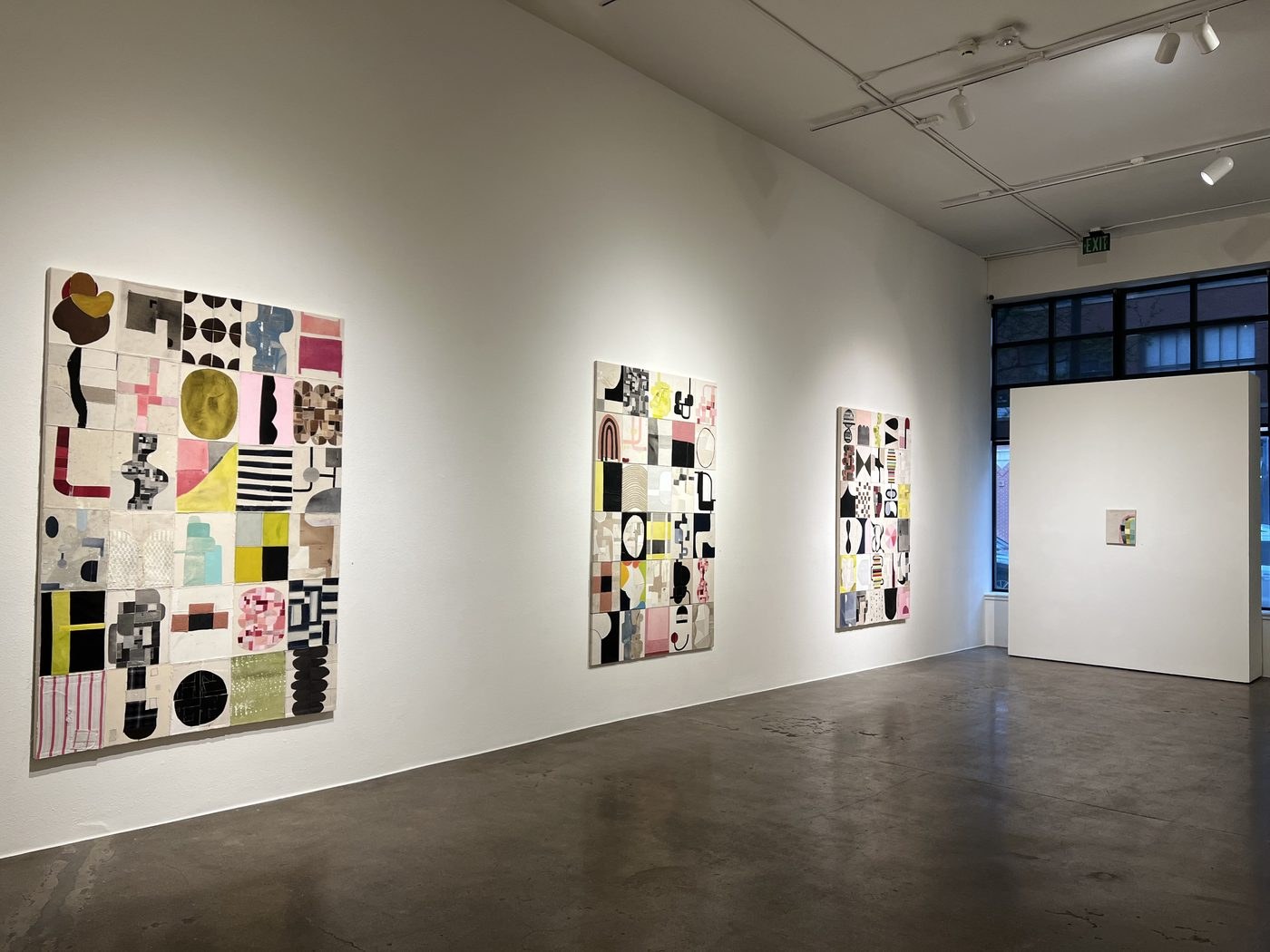
Installation view, Robischon Gallery, Denver
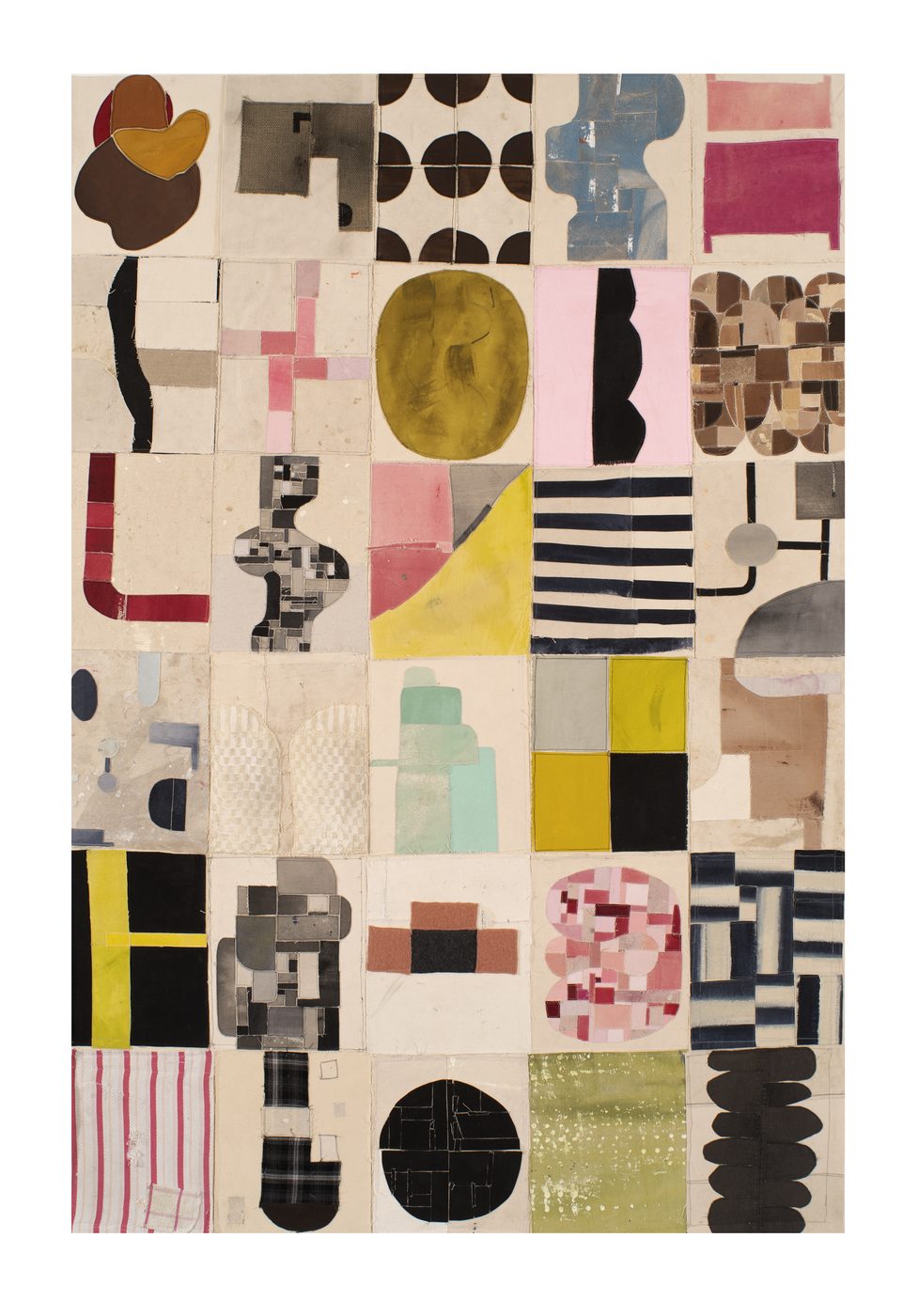
SC 455, 2023, wool & acrylic on canvas, sewn
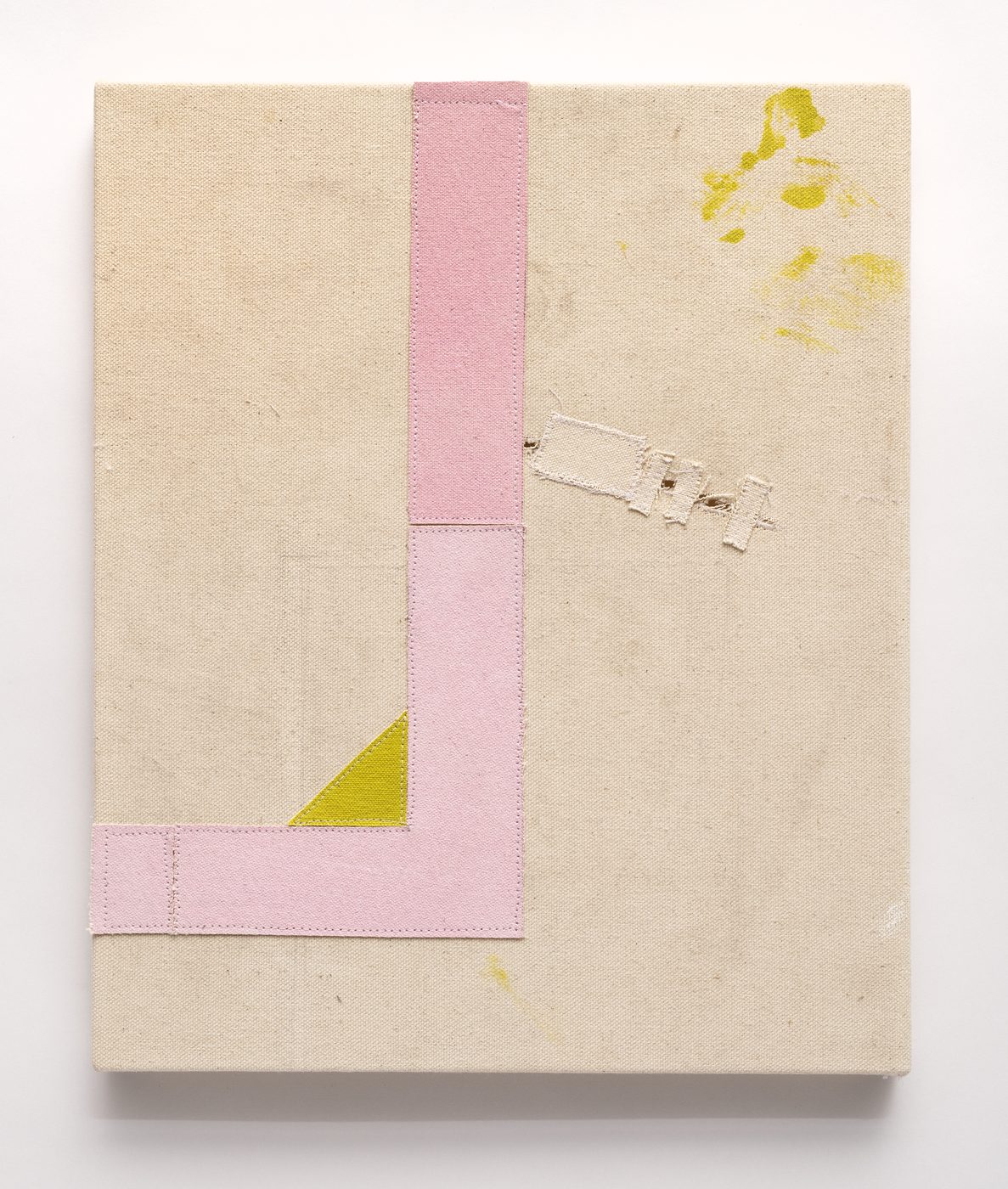
SC 481, 2024, acrylic on canvas, sewn, 14×11 in
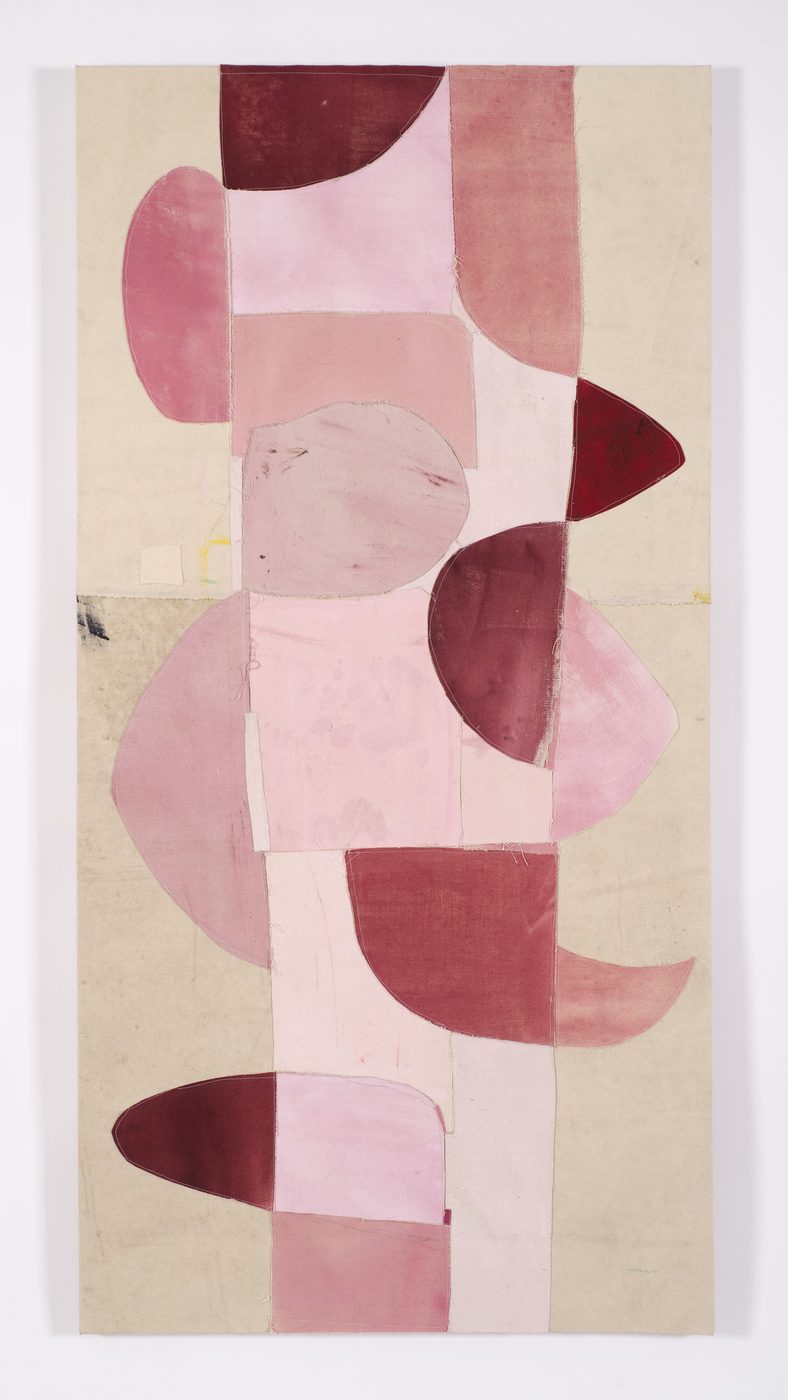
SC 514, 2025, acrylic on canvas, sewn, 72×36 in
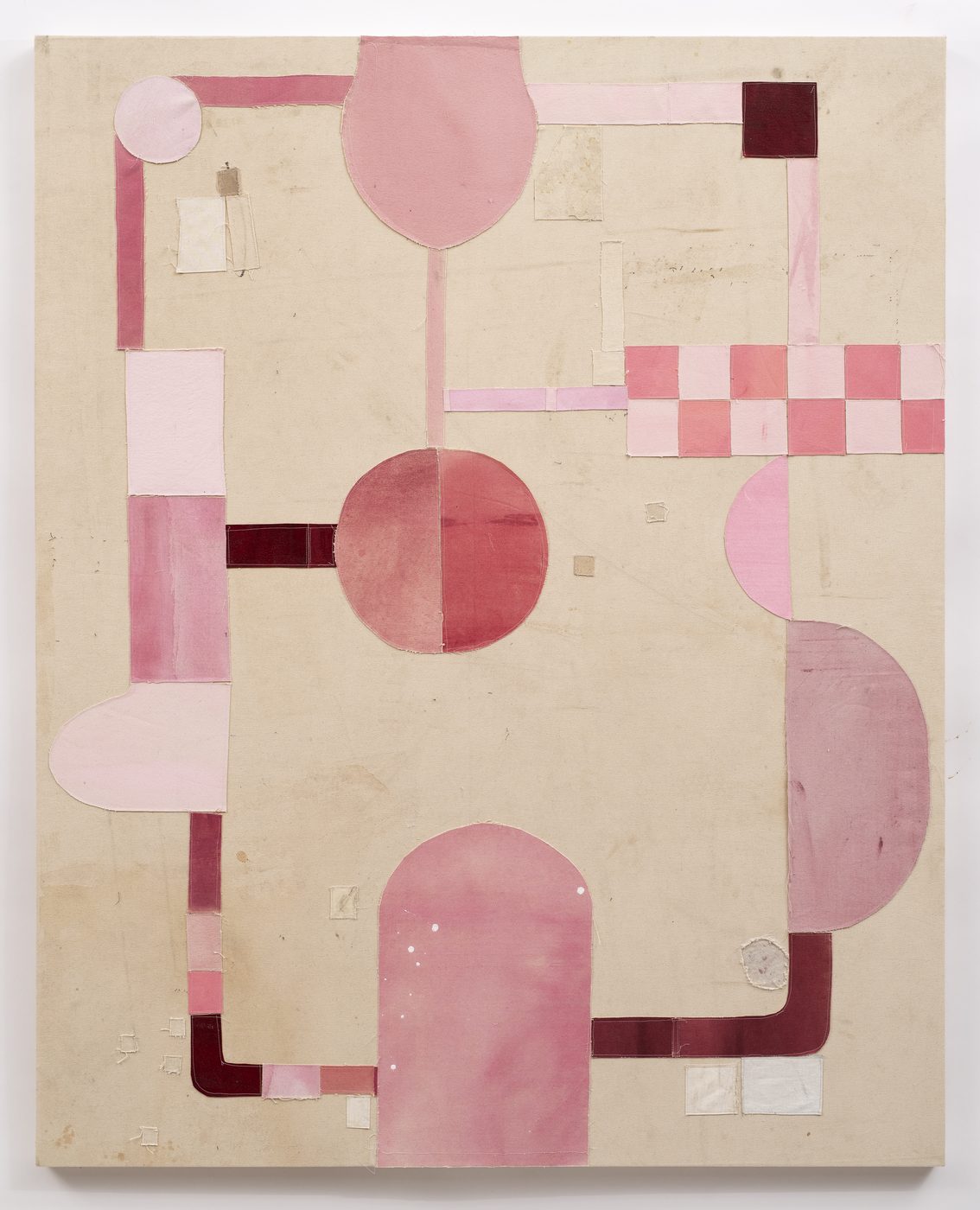
SC 539, 2025, acrylic on canvas, sewn, 60×48 in
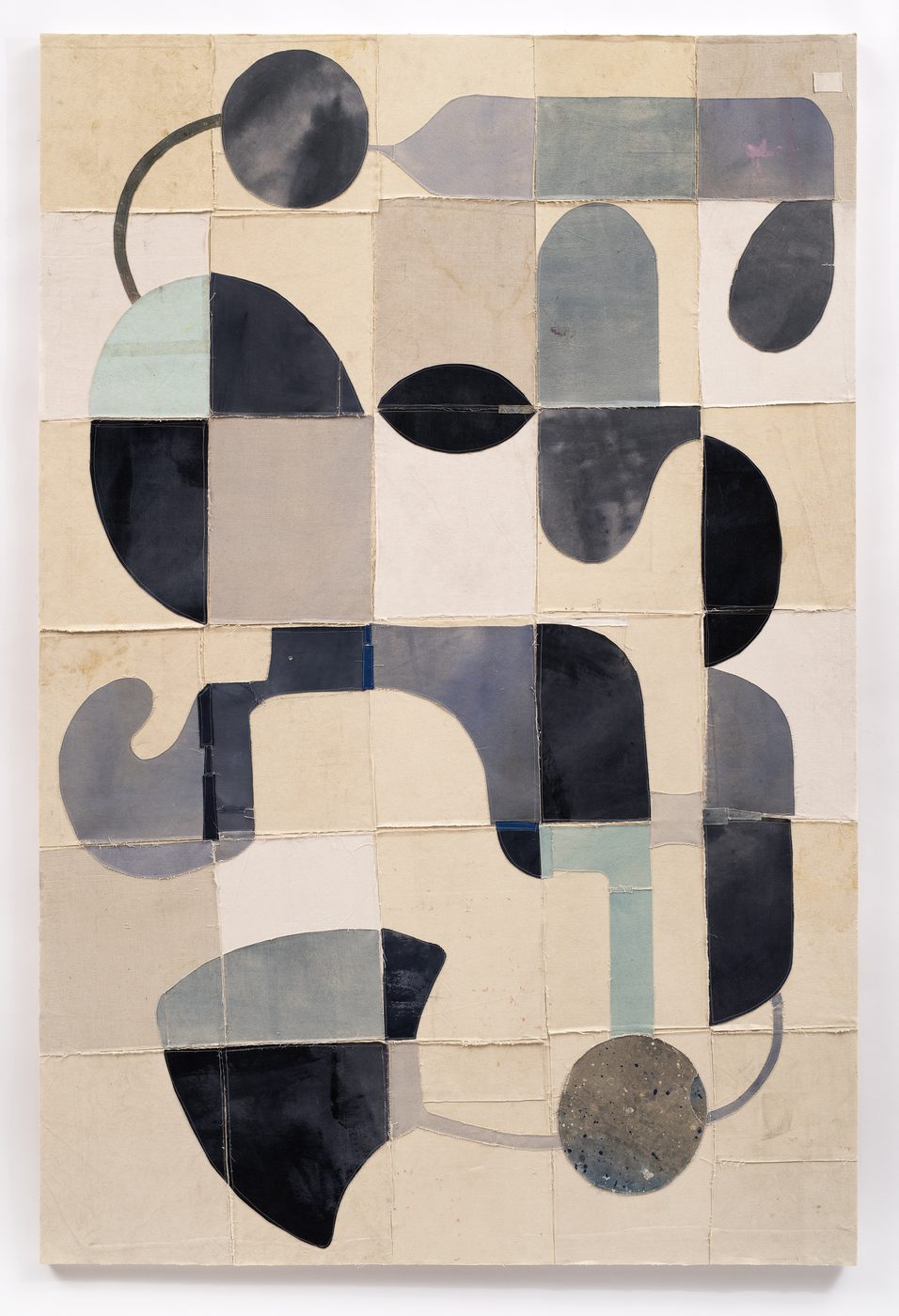
SC 541, 2025, acrylic on canvas, sewn, 84×55 in
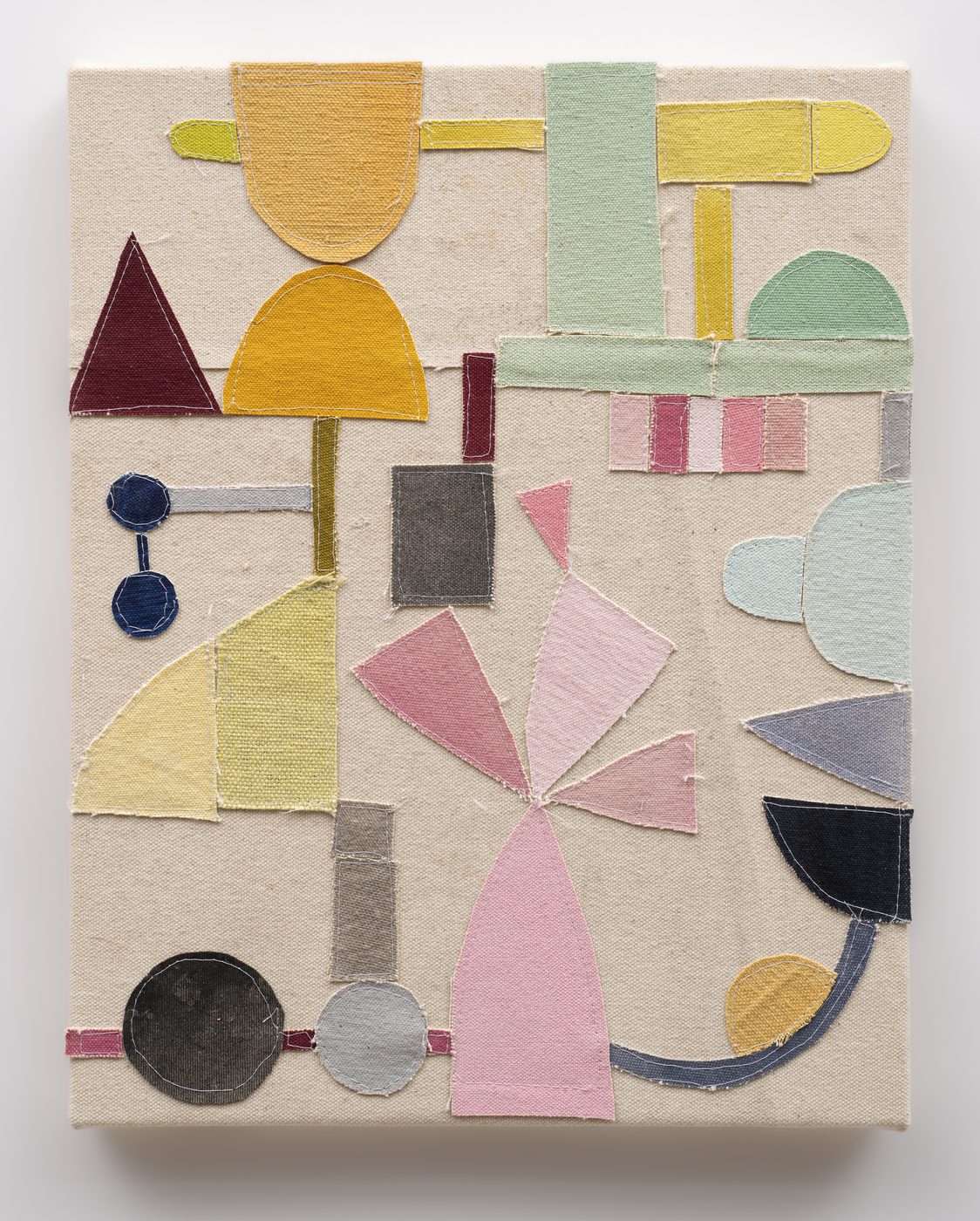
SC 545, 2025, acrylic on canvas, sewn
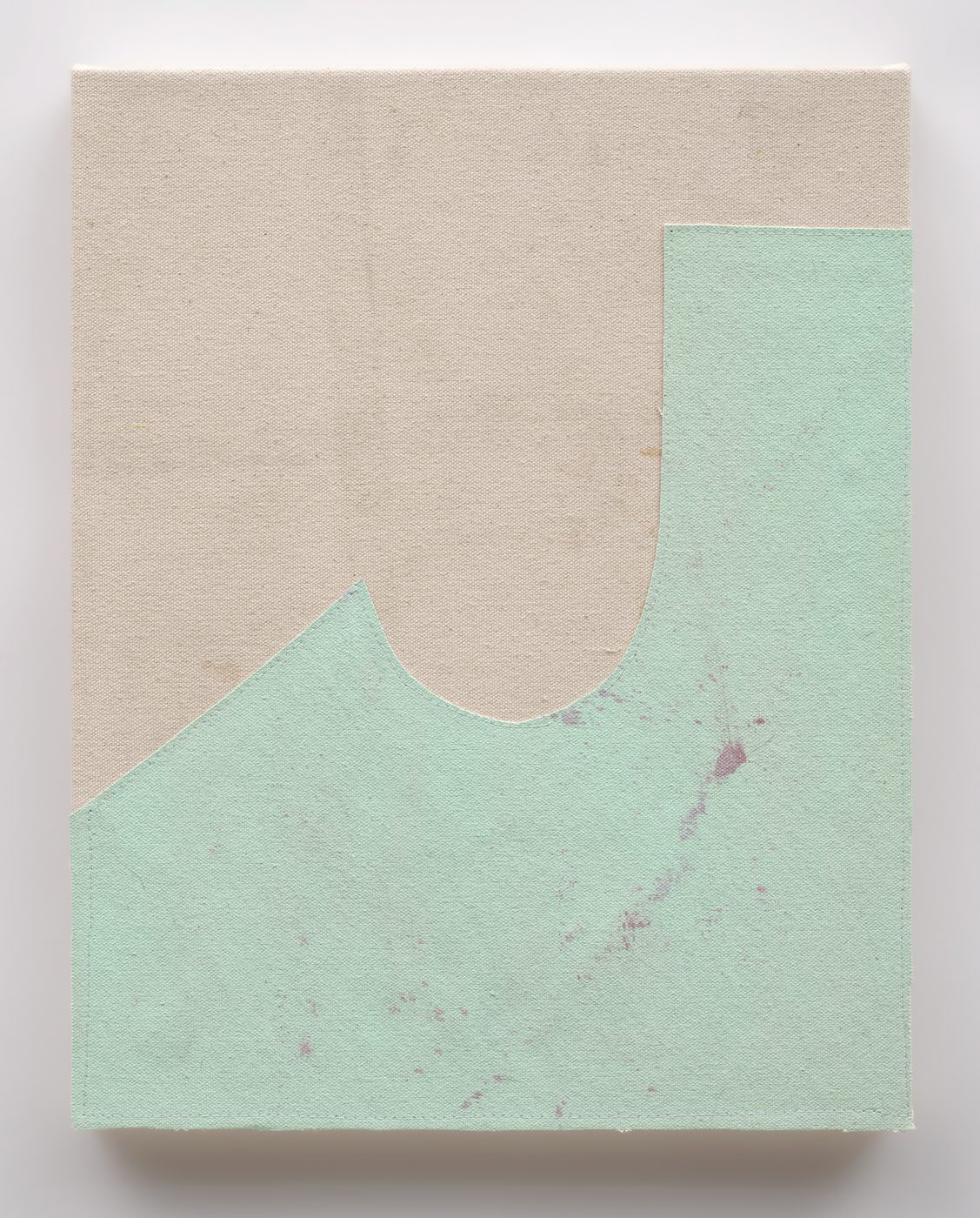
SC 569, 2026, acrylic on canvas, sewn, 14×11 in
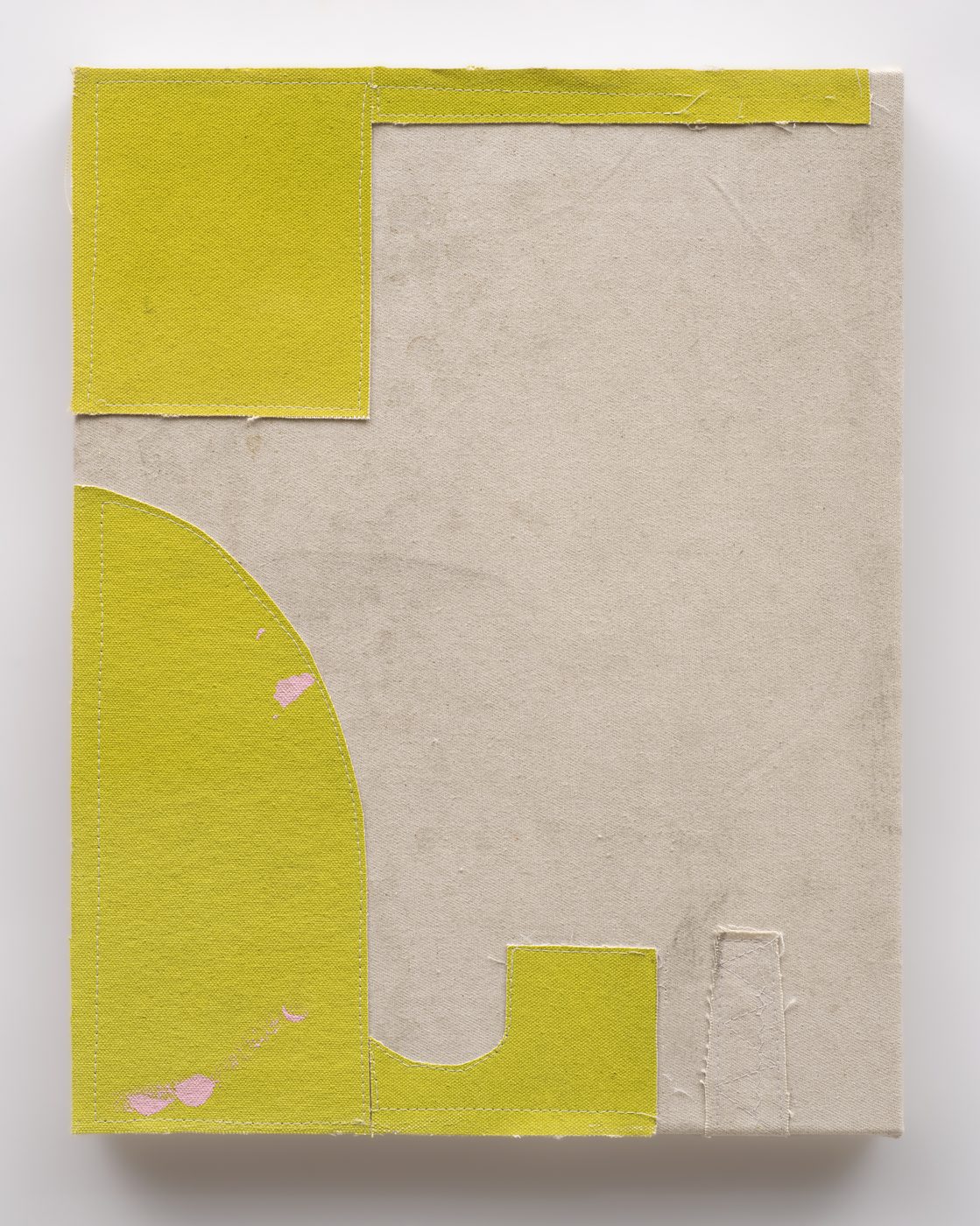
SC 576, 2026, acrylic on canvas, sewn, 14×11 in
Q & A
Is geometry a constraint or a freedom for you — and has that answer ever changed?
Geometry is, and always has been, a freedom. I don’t use the term “geometry” very often - I use the word “shapes” to describe my work since I feel it better suits my needs.
Walk us through your process — where does a piece begin, and how do you know it's finished?
My process is very simple - I paint colors onto canvas or fabric and cut into shapes. I then sew the shapes onto another piece of canvas and stretch that piece over stretcher bars. Knowing when a piece is complete is an intuitive process that sometimes is immediate and sometimes takes days or weeks. I can only say I know it when it happens.
Is there something outside of art — a system, structure, or phenomenon — that quietly shapes how you think about form?
I believe nature plays a big part since many of my shapes are rooted in nature or at least the inspiration for the shapes are rooted in nature.
What does a viewer miss when they see your work as 'just geometry'?
I’d like to think my work conveys a tangible feeling, whether it be the materials or the shapes.
What's the last rule you set for yourself in the work, and did you keep it?
My one rule is “there are no rules.”
Describe a failure or a dead end in your practice — something that didn't work.
Occasionally, my abstract shapes become images that look like something, usually a figure - and when that happens I cannot unsee it and usually change something in the piece so that I don’t see it anymore.
Newsletter
Curated open calls and one artist to know, every couple of weeks. Free, no spam.