Selected Artist
About
Richard Glick is a Chicago-based contemporary artist who delves into themes of human connection, memory, and transformation. His dynamic compositions combine bold colour palettes and intricate layering techniques, earning him recognition in juried exhibitions and private collections. His artistic journey is deeply rooted in storytelling, with each piece offering an invitation to reflect and engage with the world from a fresh perspective.
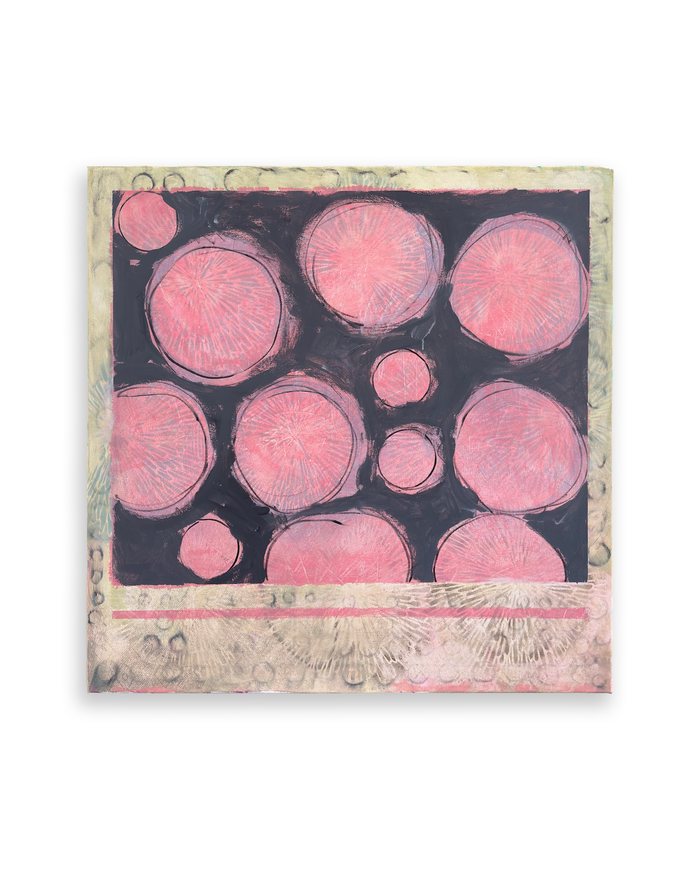
Glick currently feels "Spaced Out and Blocked." His work explores the idea that he feels spaced out from technology. His paintings incorporate acrylic and spray paint, inks and stencils to achieve his view of space and its beauty — the shapes and forms one might find gazing up at the night sky: planets and perhaps stars and moons. The paintings are very textured and tactile, another nod to his personal block to technology; the textures are anything but digital, arguably a traditional technique borrowed from the Expressionists of the mid-20th century.
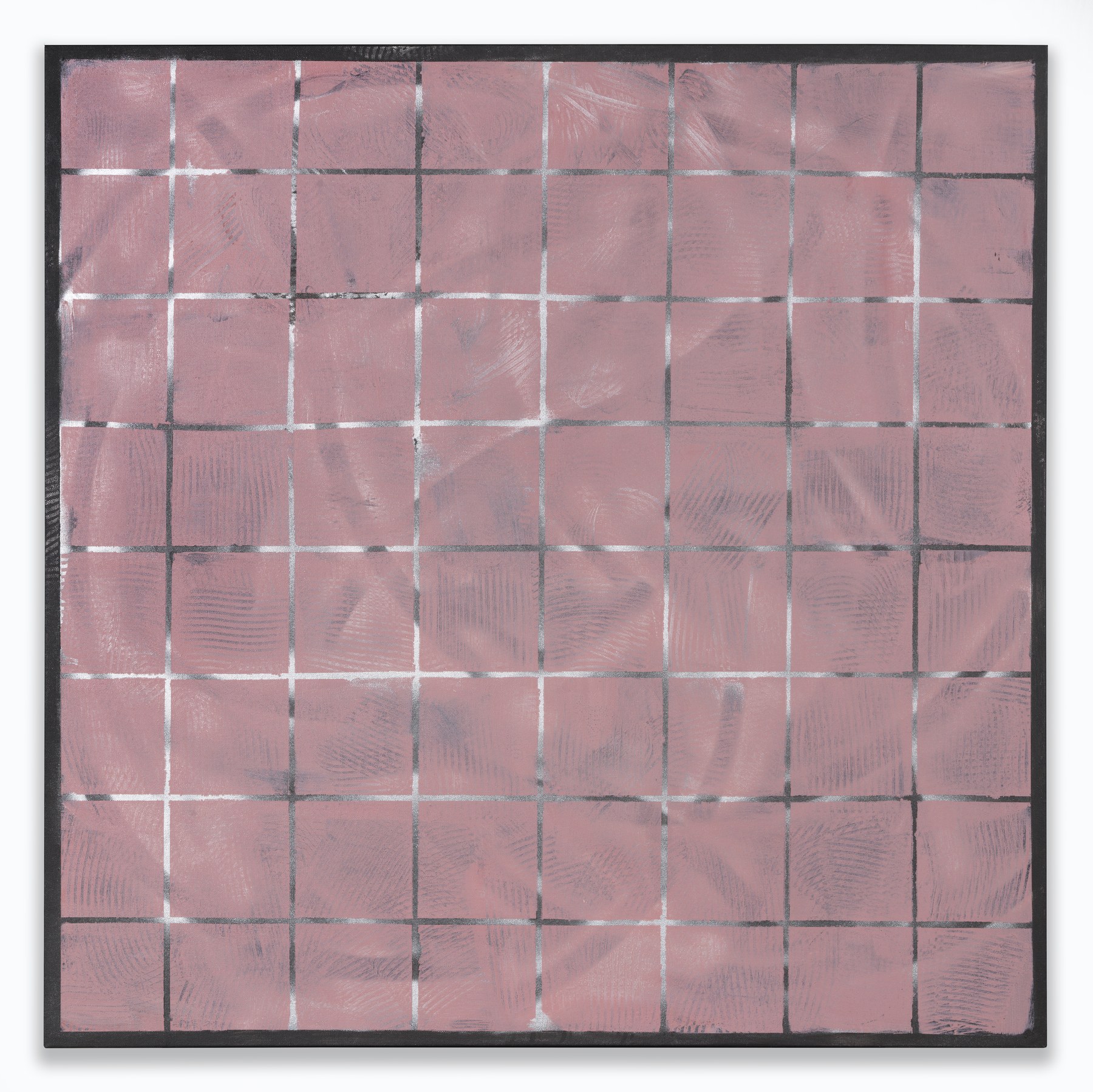
His latest series includes a subset titled BLOCKED, featuring grids akin to fences. At first glance these paintings appear monochromatic, but that is because beneath the solid colour lie layers and layers of pigment — similar to the walls and borders Glick ends up putting up in response to feeling blocked.
Glick holds a Bachelor of Fine Arts from The Ohio State University and has studied at the Accademia di Belle Arti di Perugia in Italy and at the Cité internationale universitaire in Paris.
Selected works
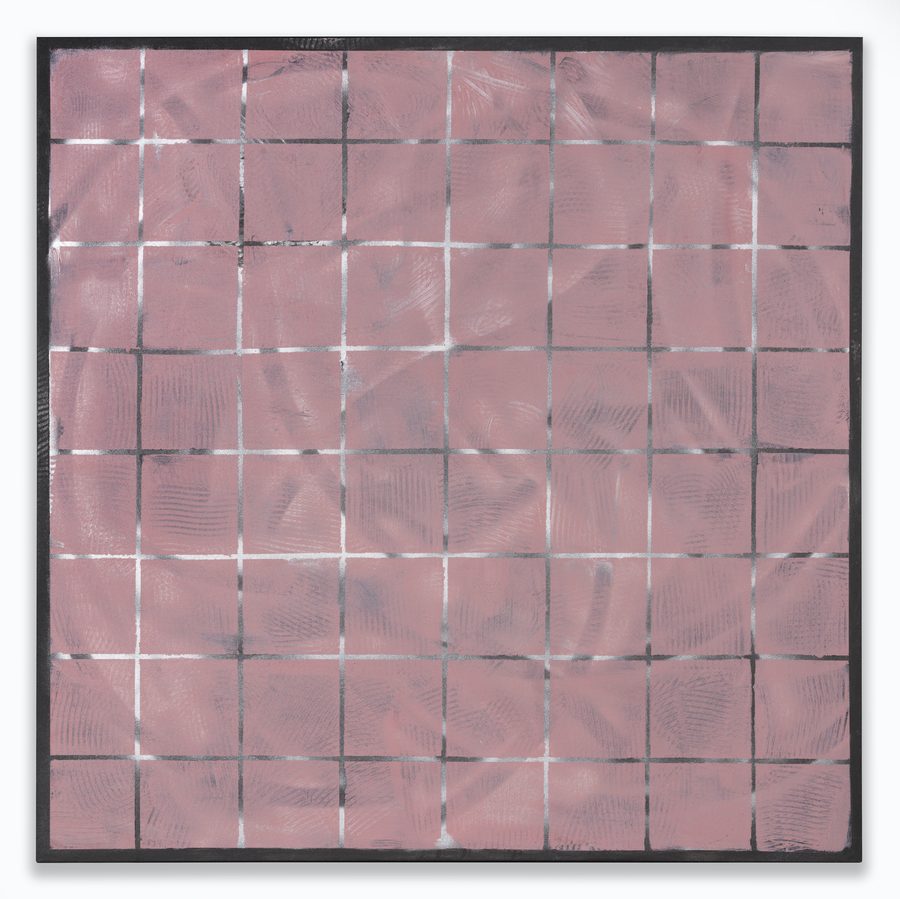
Pink Skies (BLOCKED series)
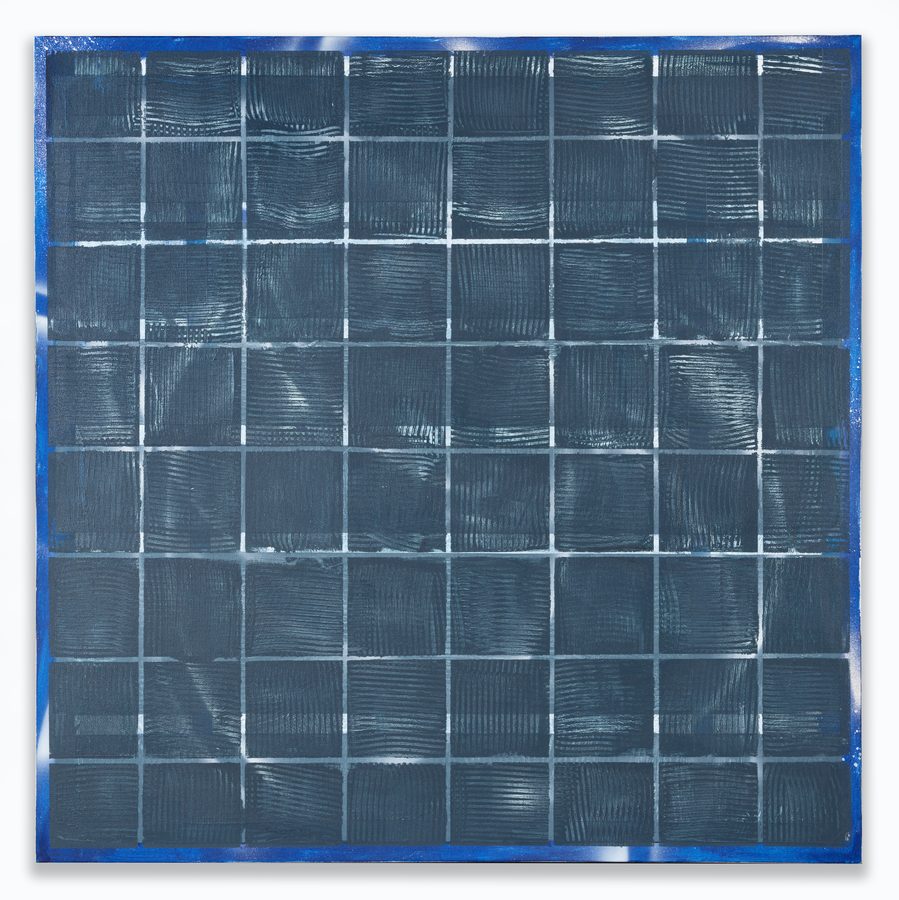
Blue Skies (BLOCKED series)
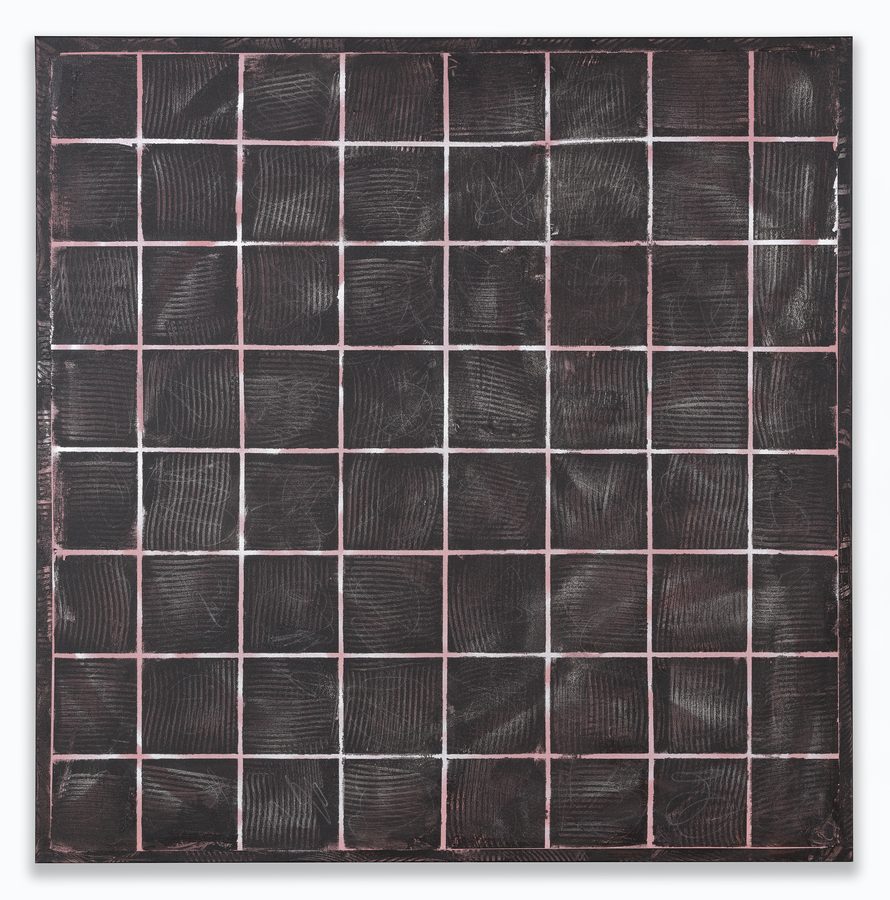
Black Skies (BLOCKED series)
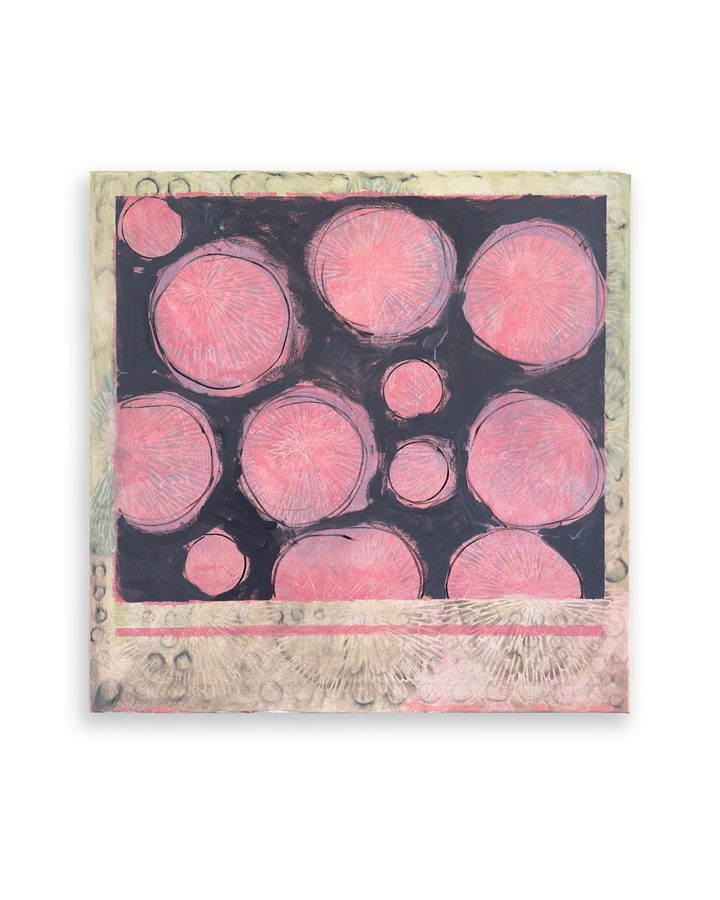
Bubblegum Skies, 2025
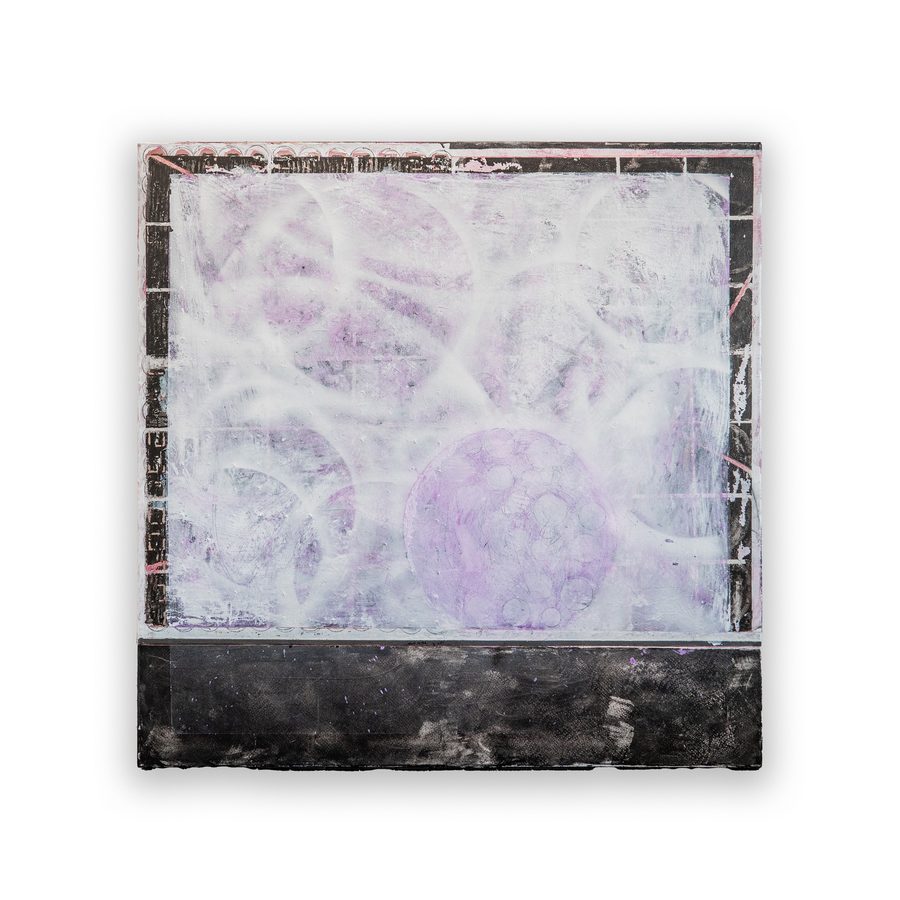
Ghost Grid
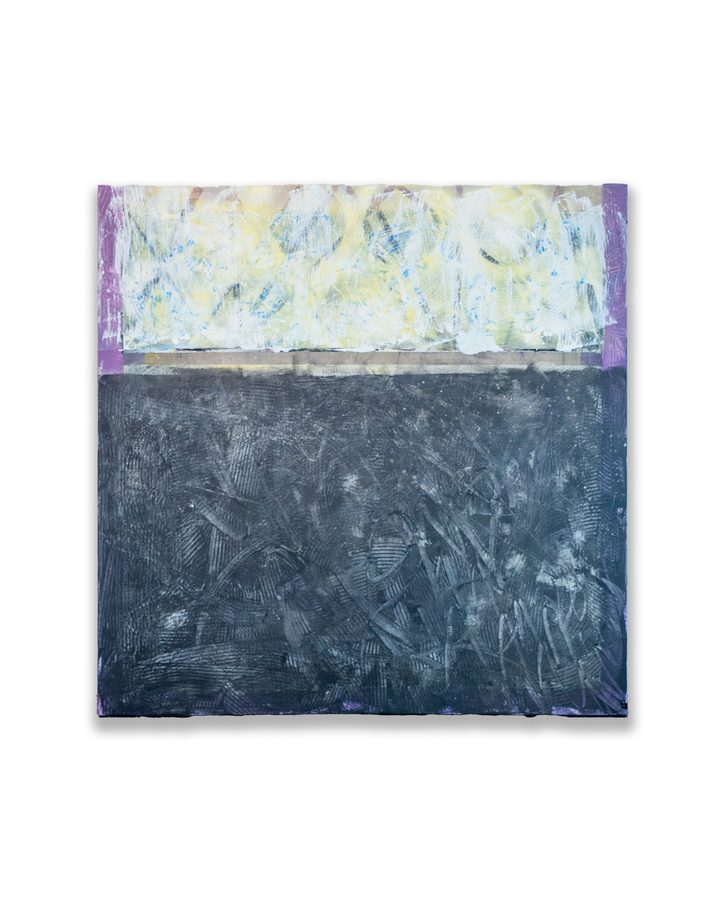
Seeking Sunshine
Q & A
Is geometry a constraint or a freedom for you — and has that answer ever changed?
Geometry is both a constraint and a freedom. The grid gives me a structure to work within, but that structure allows me to experiment with color, texture, and layering in ways that might otherwise feel overwhelming. Over time, I've come to see geometry less as a limitation and more as a framework that encourages exploration.
Walk us through your process — where does a piece begin, and how do you know it's finished?
I always begin by painting the entire canvas a single solid color. From there, I start taping the edges, building up multiple layers of tape until I create a grid. As I work, I continue adding color, patterns, and spray paint, then peel back and re-tape sections to reveal new relationships between the layers. The process is slow and accumulative, with each decision responding to the one before it. I know a piece is finished when the composition feels balanced and every layer contributes to the whole without asking for more.
What does a viewer miss when they see your work as 'just geometry'?
At first glance, the work can read as purely geometric, but the geometry is really just the framework. The paintings are built through layers of masking, painting, spraying, and revealing. Every line records a decision, and every color sits on top of a history of previous layers. What may look precise or planned is actually the result of a long process of building, responding, and uncovering.
What's the last rule you set for yourself in the work, and did you keep it?
One rule I often set is to let the tape determine the next move instead of forcing an idea too early. I try to respond to what is revealed as each layer comes off. I don't always keep that rule perfectly, but when I do, the work usually ends up feeling more surprising and alive.
Describe a failure or a dead end in your practice — something that didn't work.
Early on, I tried planning every element of a painting before I started. The results felt rigid and predictable. I realized that the most interesting moments happen through the process itself—when layers interact in unexpected ways. Letting go of complete control made the work stronger and allowed the paintings to develop more naturally. Final comment By the way, one of my favorite artists is Agnes Martin. She was my hero!
Newsletter
Curated open calls and one artist to know, every couple of weeks. Free, no spam.