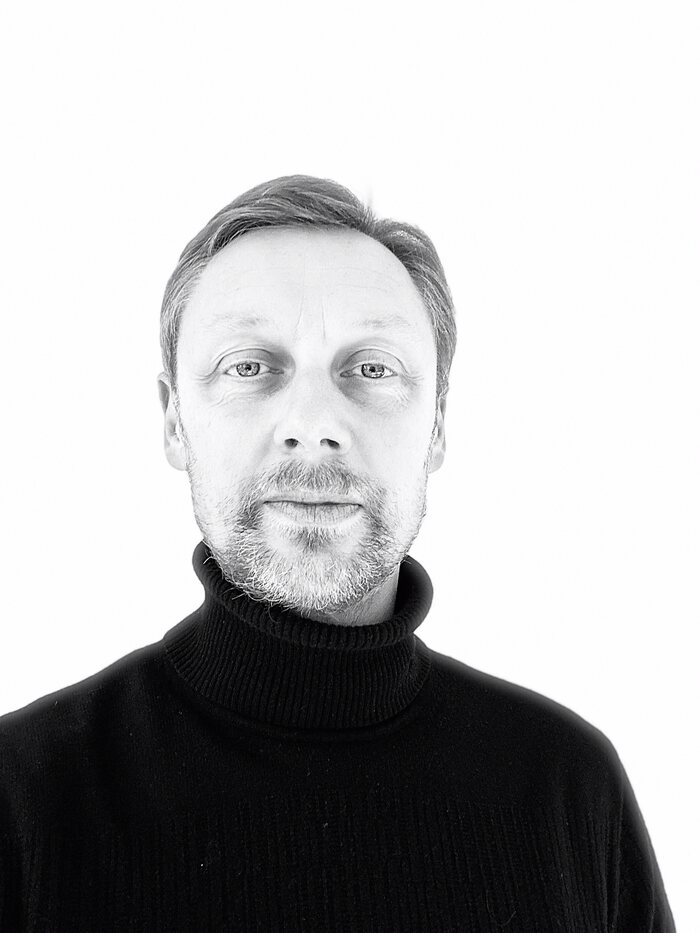
Selected Artist
About
Nathanaël Gourdin's artistic practice explores the perception of form, colour, material and space. His works deliberately reject narrative and functional associations, focusing instead on essential formal qualities such as reduction, precision and geometric clarity.
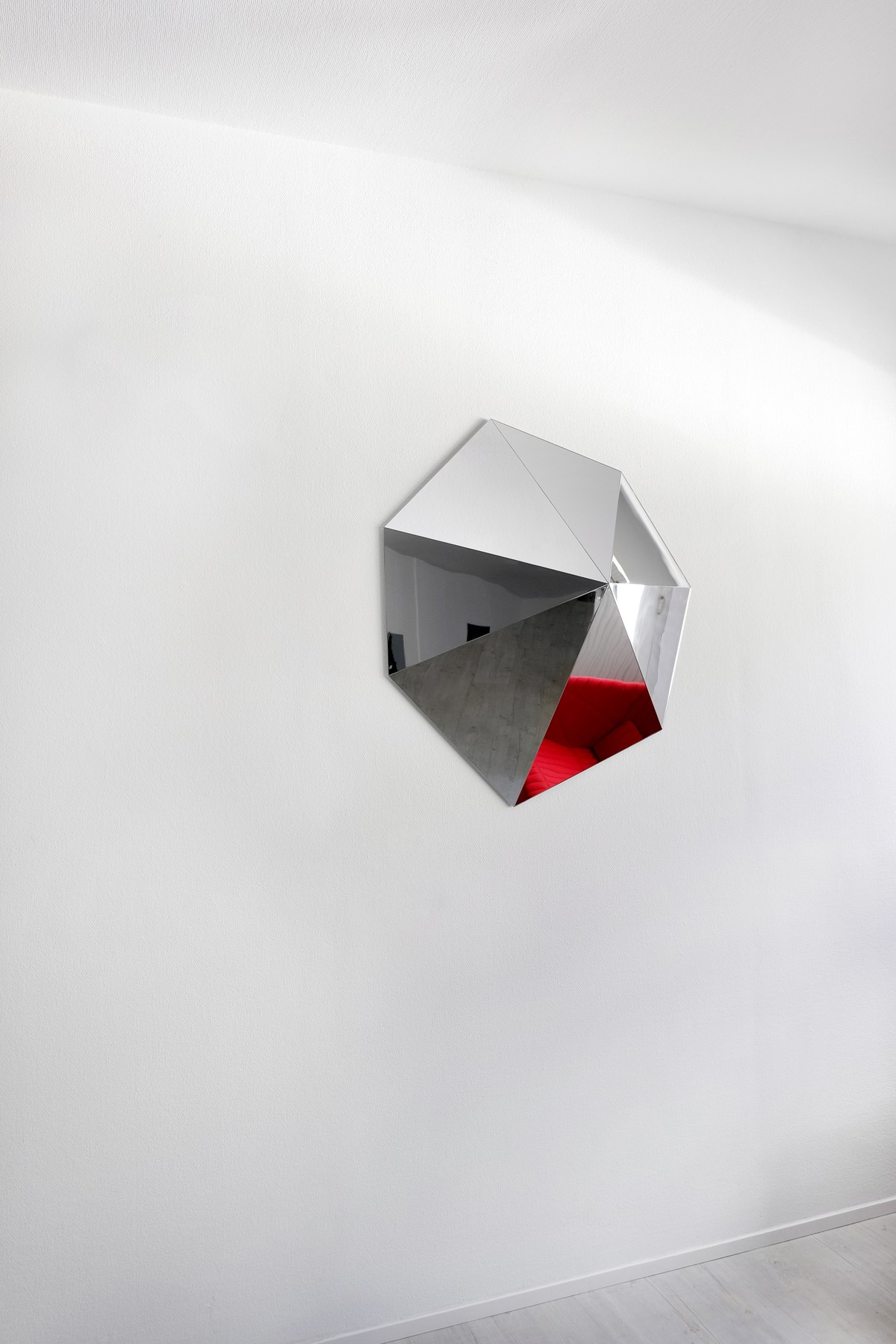
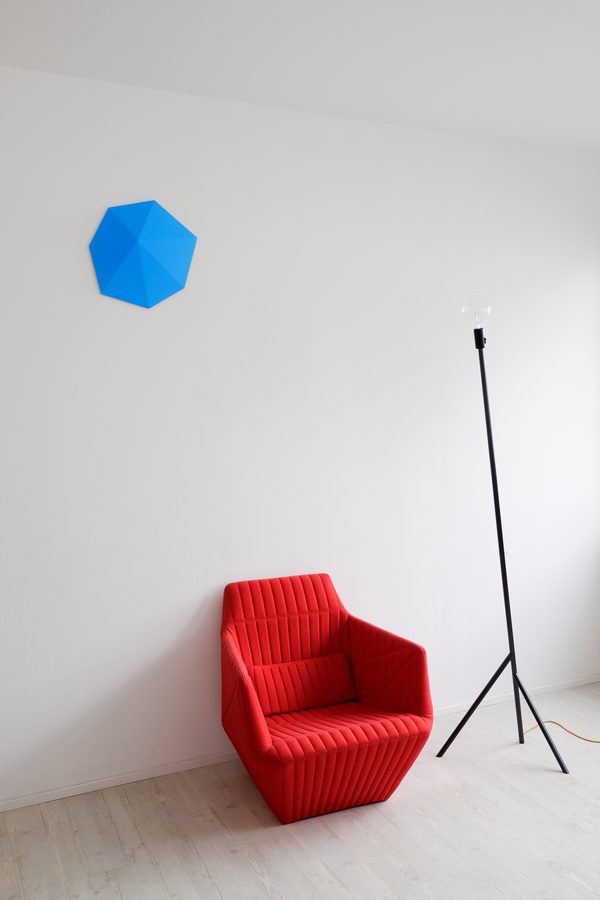
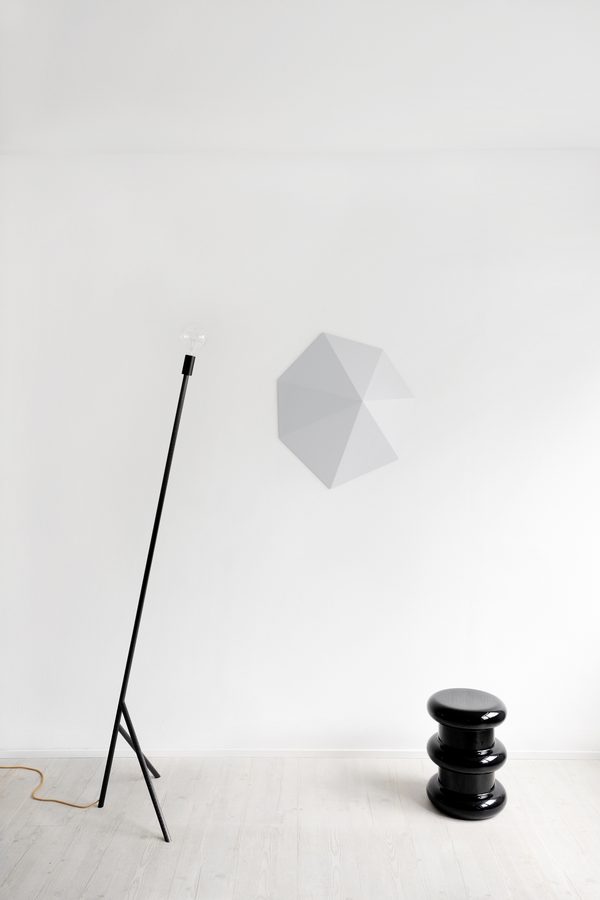
The resulting objects derive their visual impact from the interplay of light, viewpoint and spatial context, revealing different aspects of themselves depending on the conditions of perception. Rather than inviting interpretation, they encourage a direct experience of their shifting presence.
Occupying a space between painting and sculpture, Gourdin's works investigate the autonomy of the object and its visual presence. His series and variations are concerned less with repeating a particular form than with examining the conditions under which perception takes place. Form is understood not as a fixed entity but as a dynamic relationship between material substance and visual appearance.
Through this consistently reduced visual language, Gourdin invites viewers to question habitual ways of seeing. His works create an open perceptual field in which the relationship between object, space and viewer is continually redefined.
Selected works
Facetten OBJ 24-001, 52×45×9 cm, 2024
Facetten OBJ 24-002, 79×69×14 cm, 2024
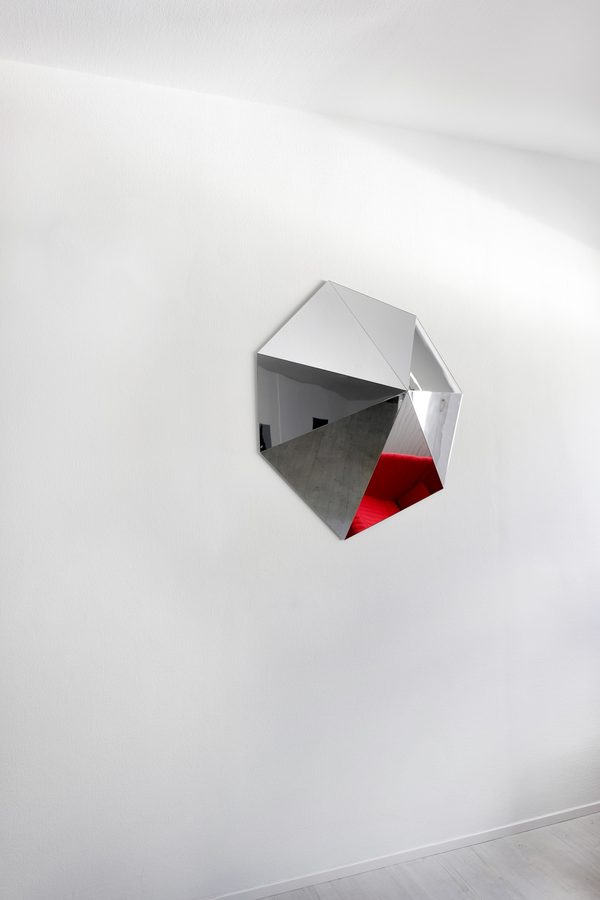
Facetten OBJ 24-004, 105×92×19 cm, 2024
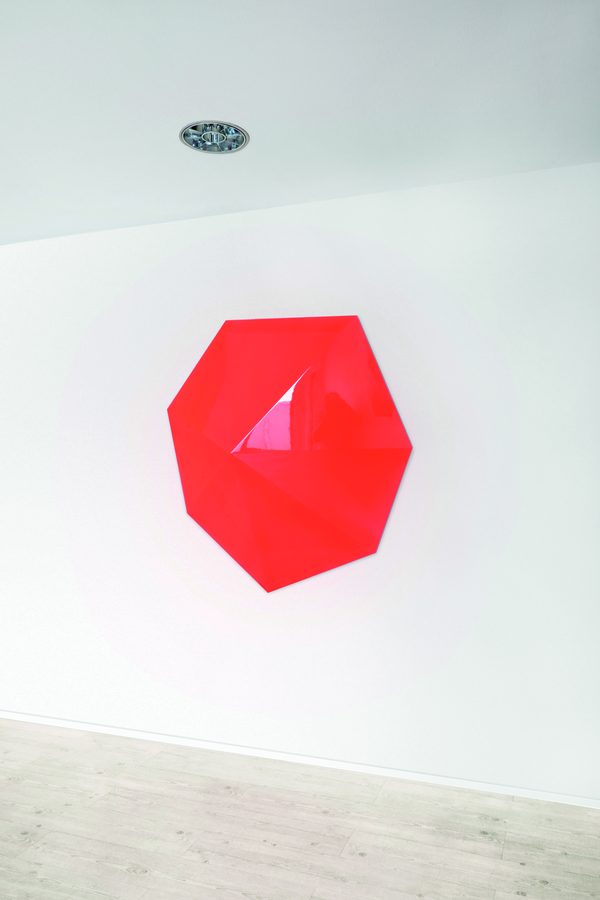
Facette OBJ 24-005, 148×127×28 cm, 2024
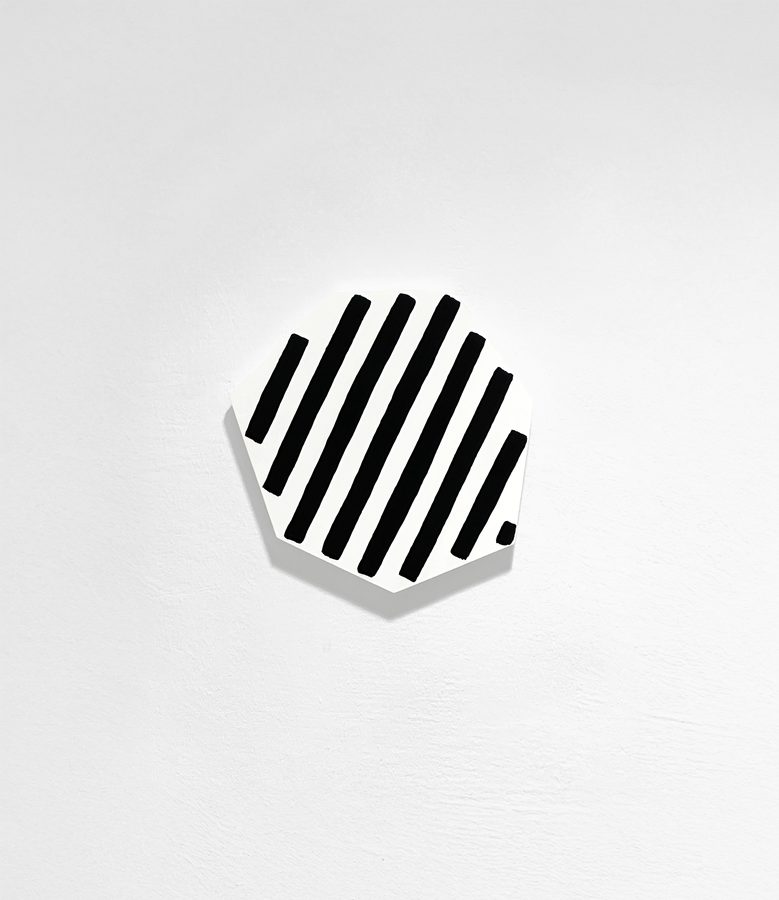
Fragment 25-001, 31×28×2 cm, 2025
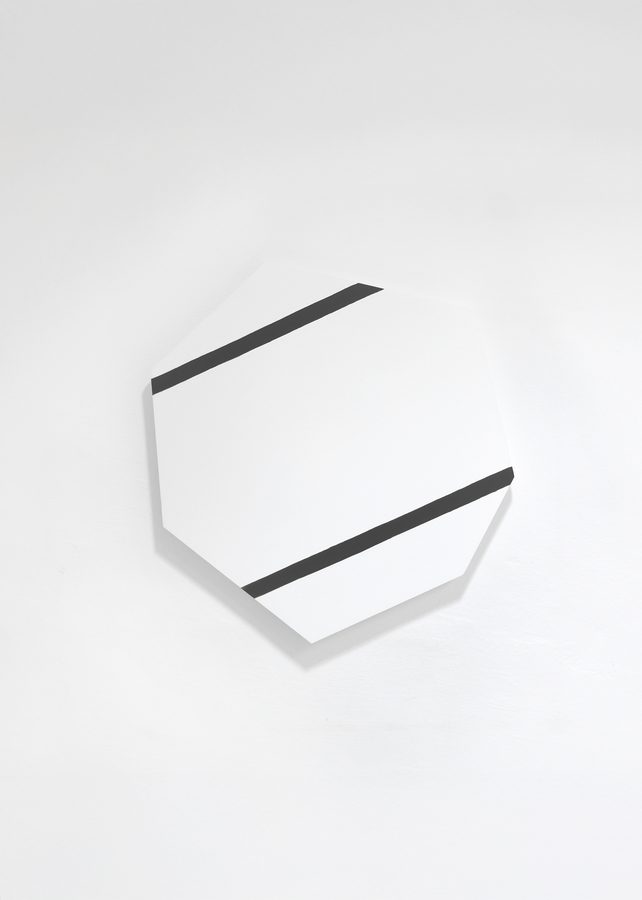
Fragment 25-008, 72×66×35 cm, 2025
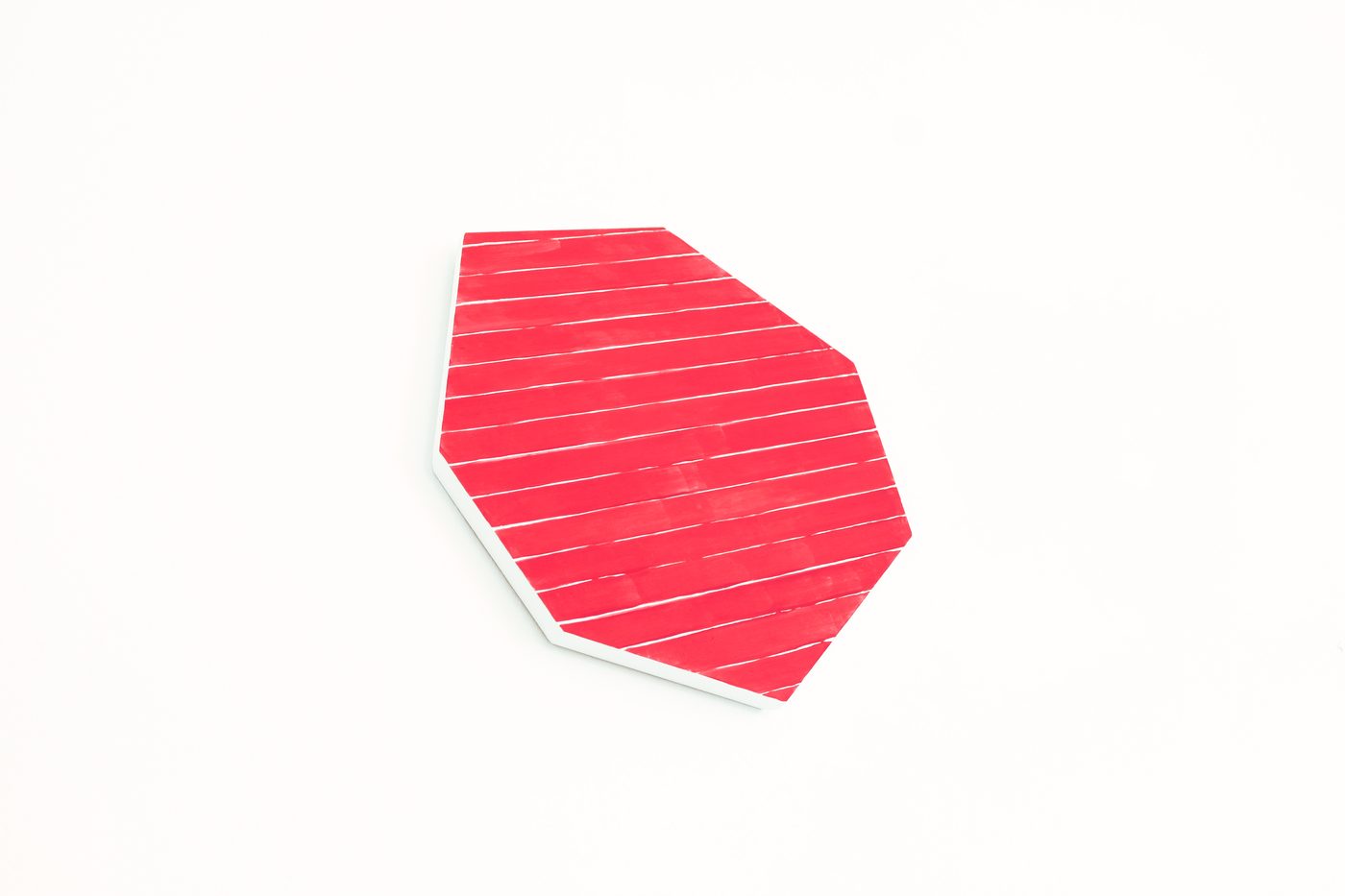
Fragment 25-002, 305×279×2 cm, 2025
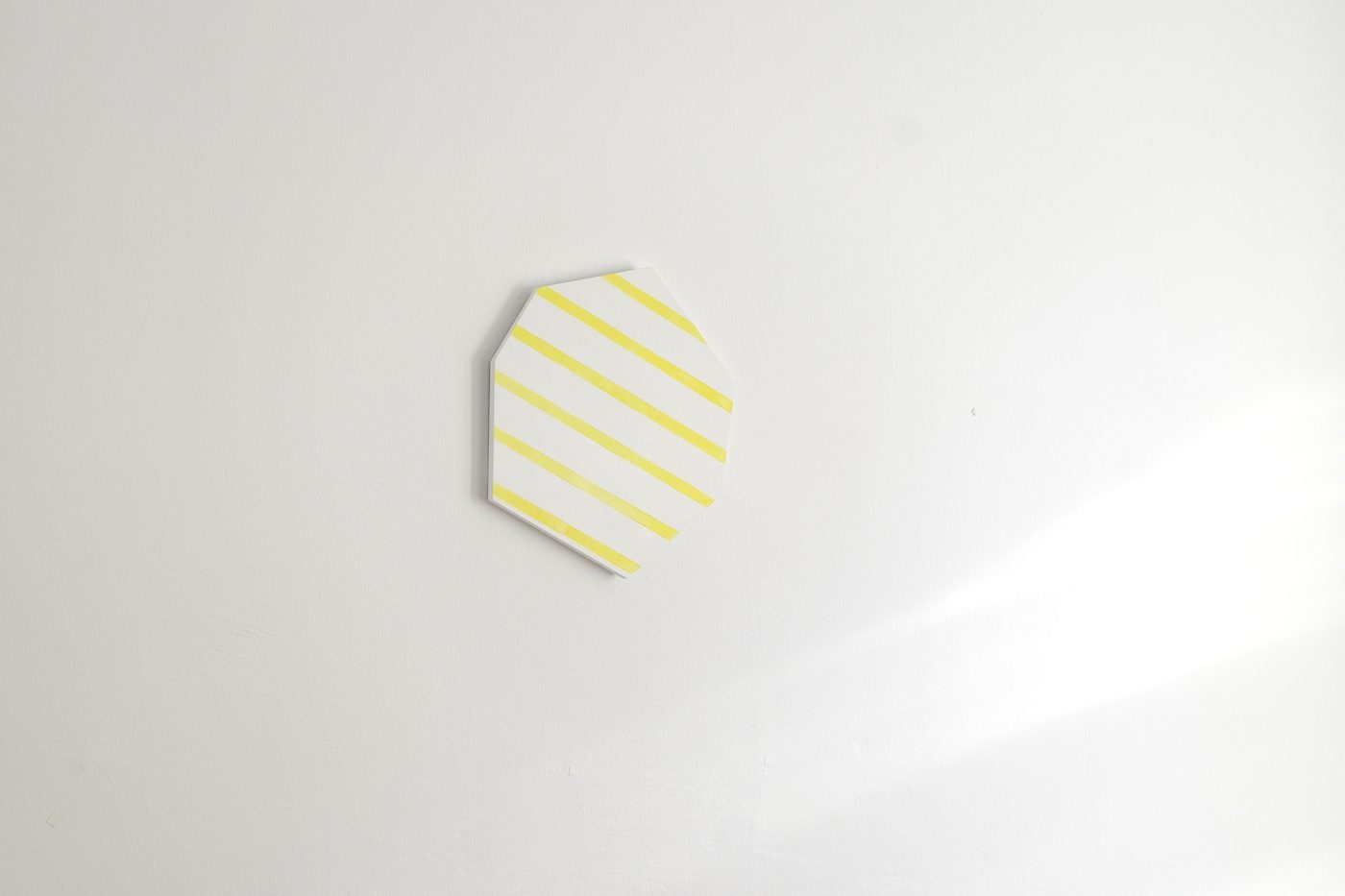
Fragment 25-004, 312×276×2 cm, 2025
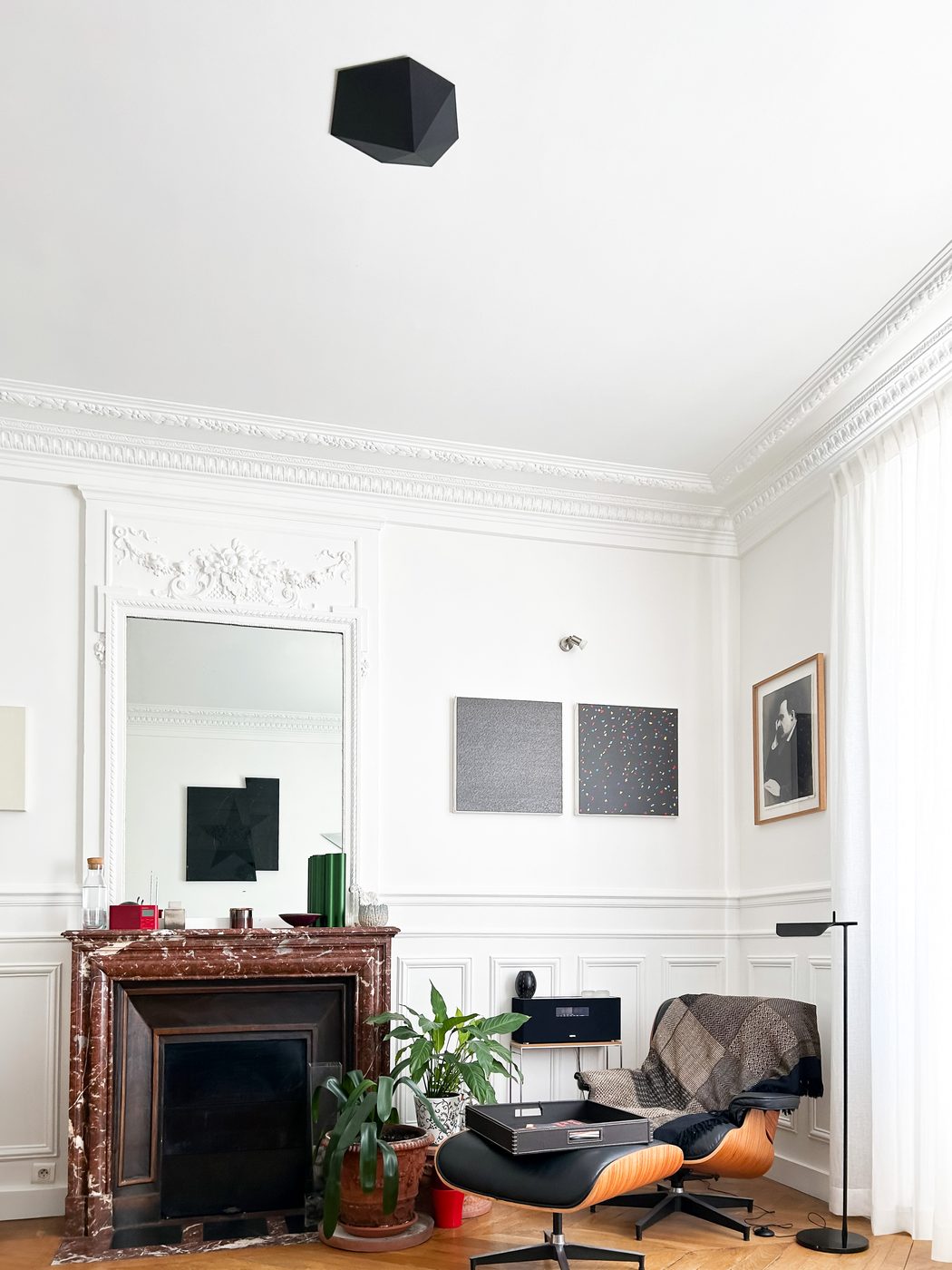
Facetten OBJ 23-020, 32×30×55 cm, 2023
Q & A
Is geometry a constraint or a freedom for you — and has that answer ever changed?
That’s a very interesting question, and my initial answer is yes. For me, geometry represents a particular kind of freedom because, on the one hand, it is liberated from direct narrative or conceptual meaning, while on the other, it leaves ample room for interpretation and—at least in my view—for emotion. A visually simple geometry reduces perception to what is essential. The object is perceived—and taken seriously—as an object in its own right. Through abstraction, which could also be understood as the absence of distraction, it becomes possible to establish an almost physical, sensory relationship with the viewer. At the same time, placing the emphasis on form or volume presupposes that these are—at least for the person who created them—perfect or ideal. Achieving that can sometimes be quite restrictive and leaves little room for spontaneous gesture.
Walk us through your process — where does a piece begin, and how do you know it's finished?
A work—or a series—always begins in my mind. The idea, or rather the image, is already very precise before I start making it. In that sense, the question of when a work is finished doesn’t really arise during the process.
Is there something outside of art — a system, structure, or phenomenon — that quietly shapes how you think about form?
Yes. My background in furniture design has had a lasting influence on me. It taught me to think about how an object inhabits space and about the importance of proportion. The furniture I design today is therefore often sculptural and three-dimensional. Like my artworks, it offers multiple perspectives, because I enjoy this dialogue with space. By contrast, I find the distinction between functional objects and artworks rather uninteresting.
What does a viewer miss when they see your work as 'just geometry'?
That’s difficult to say. I think you either have a sensitivity to geometry or you don’t. If geometry doesn’t resonate with someone, then perhaps they miss out on a particular kind of inner vibration…
What's the last rule you set for yourself in the work, and did you keep it?
Out of a fear of formalism, I’ve never made large series of works. So far, I’ve remained true to that principle.
Describe a failure or a dead end in your practice — something that didn't work.
I discard bad ideas while they’re still in my head!
Newsletter
Curated open calls and one artist to know, every couple of weeks. Free, no spam.