Selected Artist
About
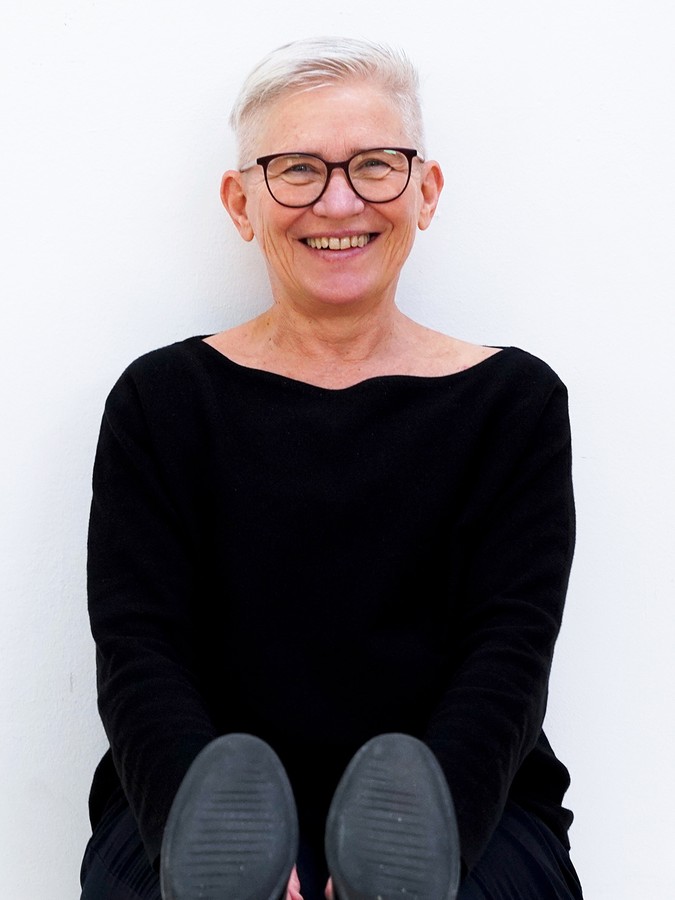
Barbara Höller was born in 1959 in Vienna, Austria. After studies in mathematics at university and at the University of Applied Arts in Vienna, she has worked as a visual artist, with numerous exhibitions in Austria and abroad and several prizes to her name. As an artist in residence she has travelled to countries across Europe and Asia. In the 1990s she founded the female artist group vakuum and the non-profit gallery sehsaal in Vienna, and as a curator she has organised major shows in various institutions.
The main field of her artistic interest lies in the conception of geometric systems — realised across spatial installation, object, painting, drawing, video and intervention in public space.
Selected works
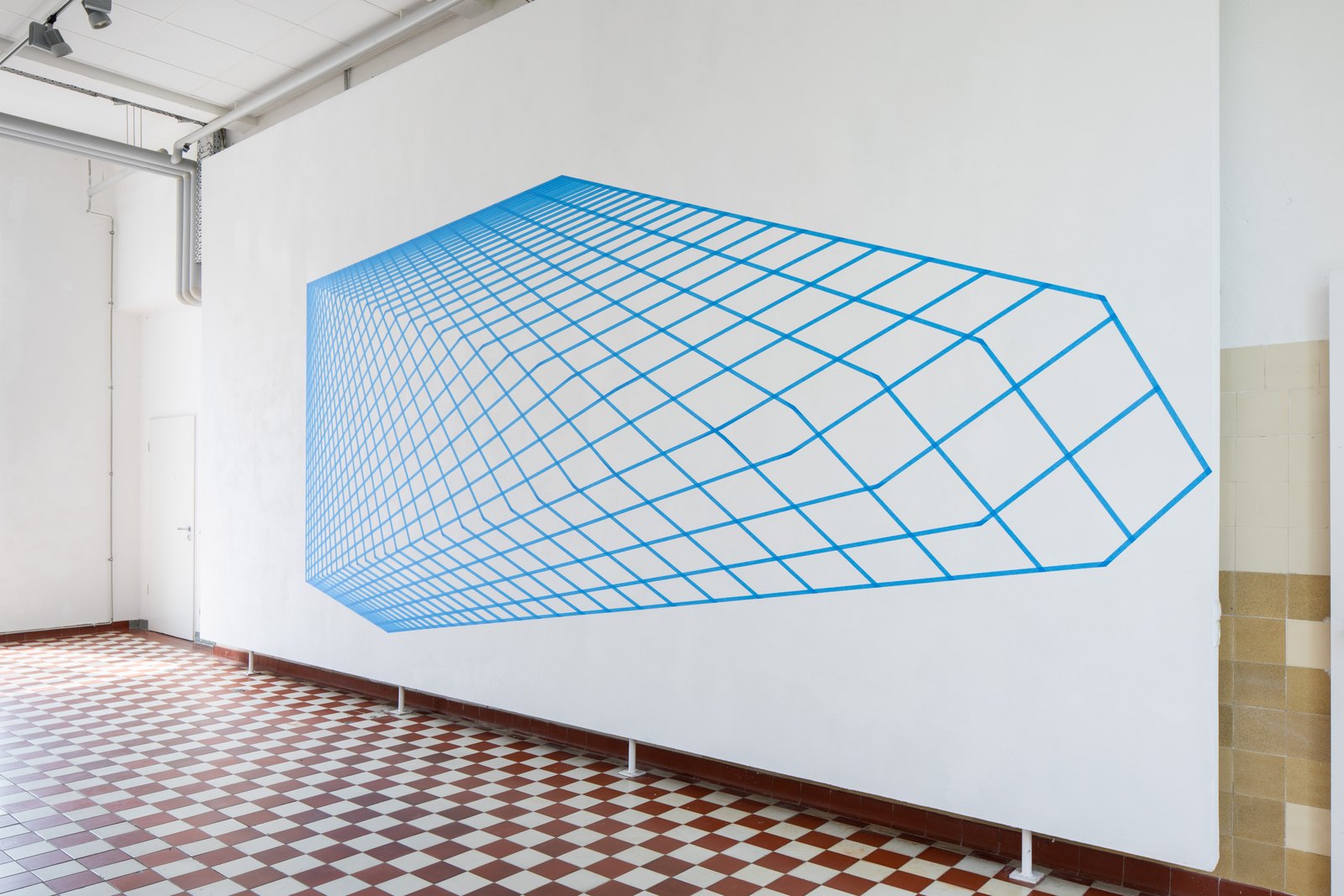
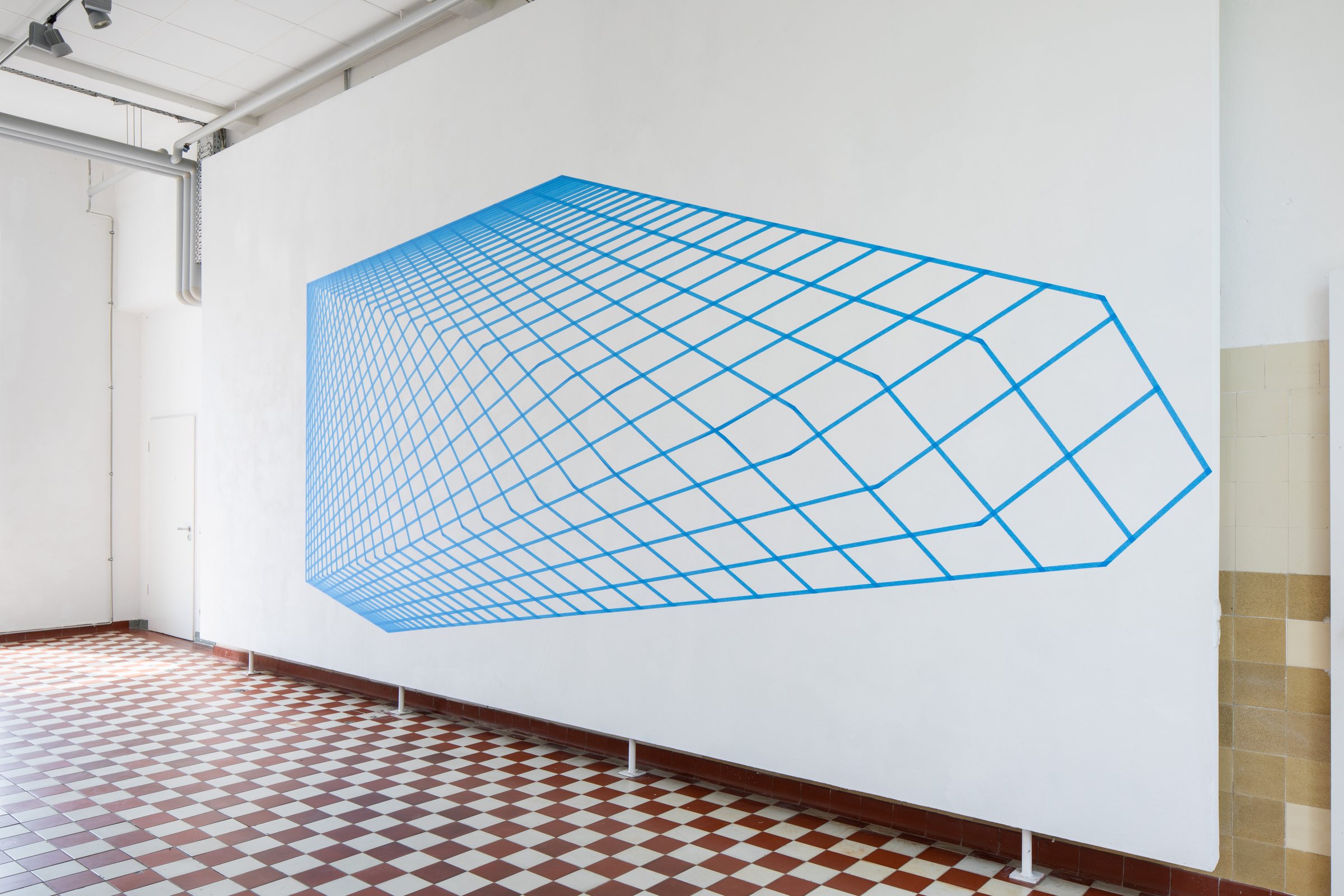
Mesh (Kiel), 2023 — paper tape on wall, 300 × 800 cm. Photo: Fred Dott
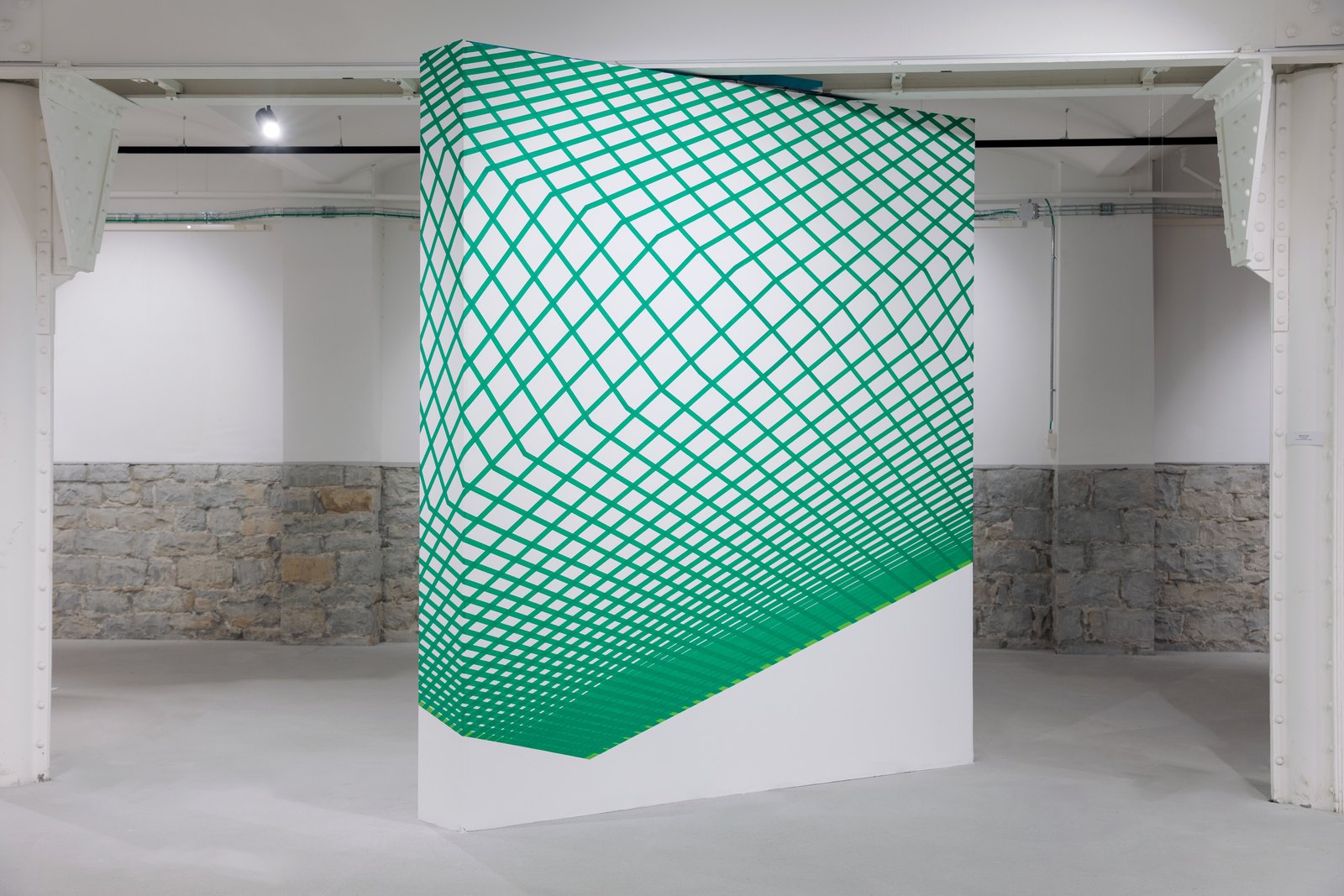
Mesh (Trieste), 2023 — paper tape, temporary installation, 300 × 300 × 30 cm. Photo: Alice Zorin
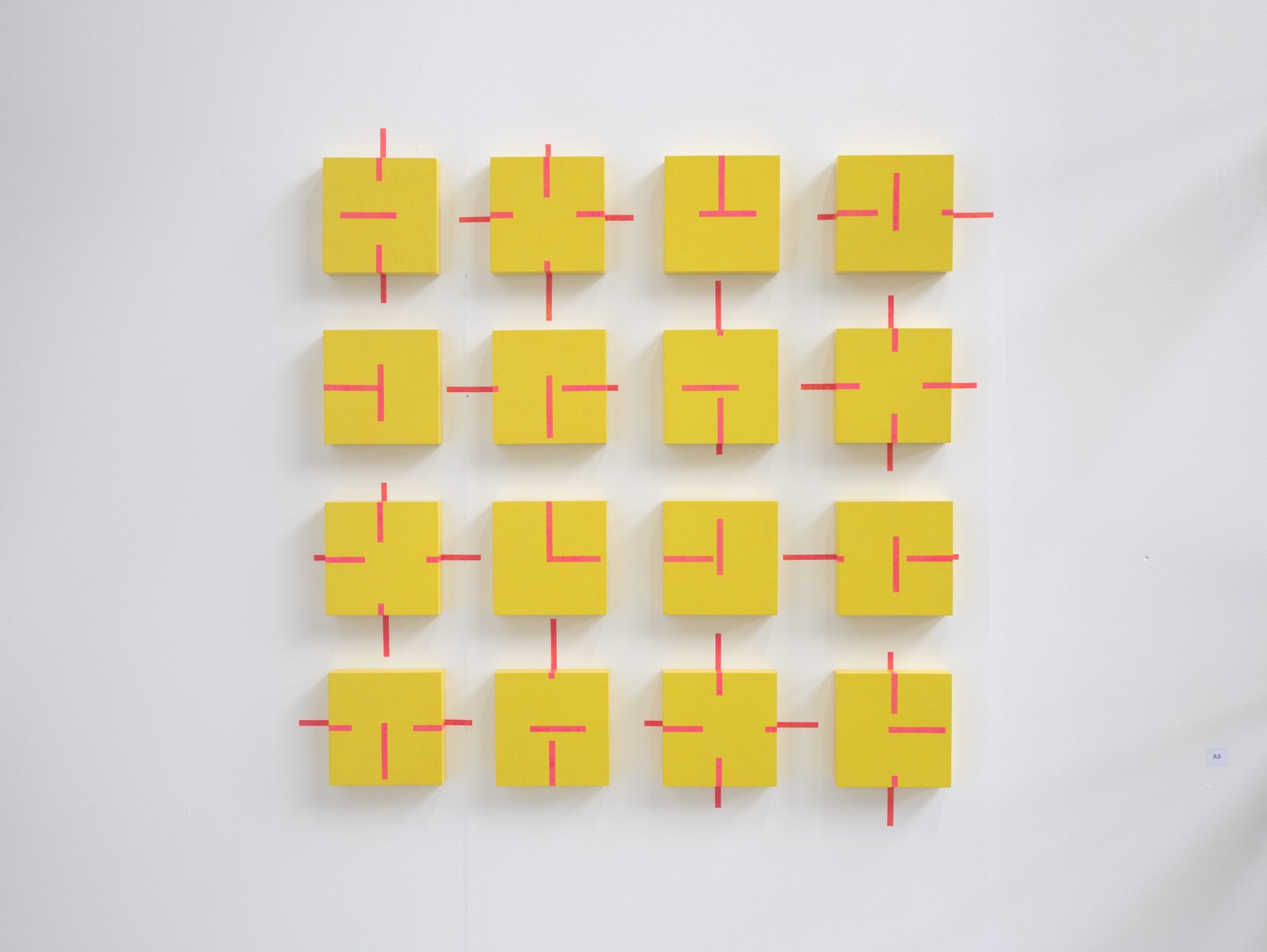
Broken Grid, 2025 — acrylic on wood, 16 parts, variable, 120 × 120 cm
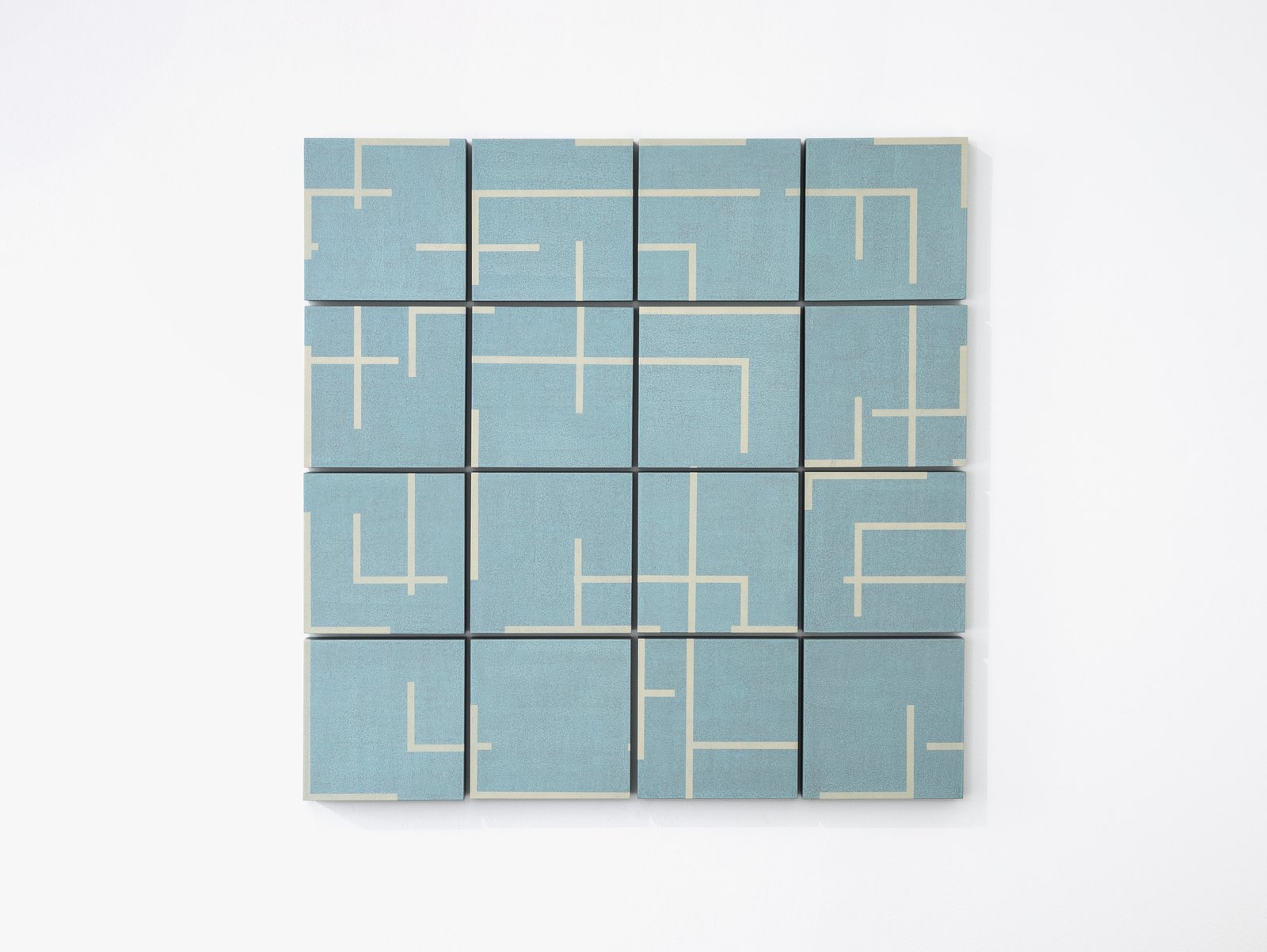
Way or Means, 2025 — acrylic on wood, 16 parts, 123 × 123 × 5 cm
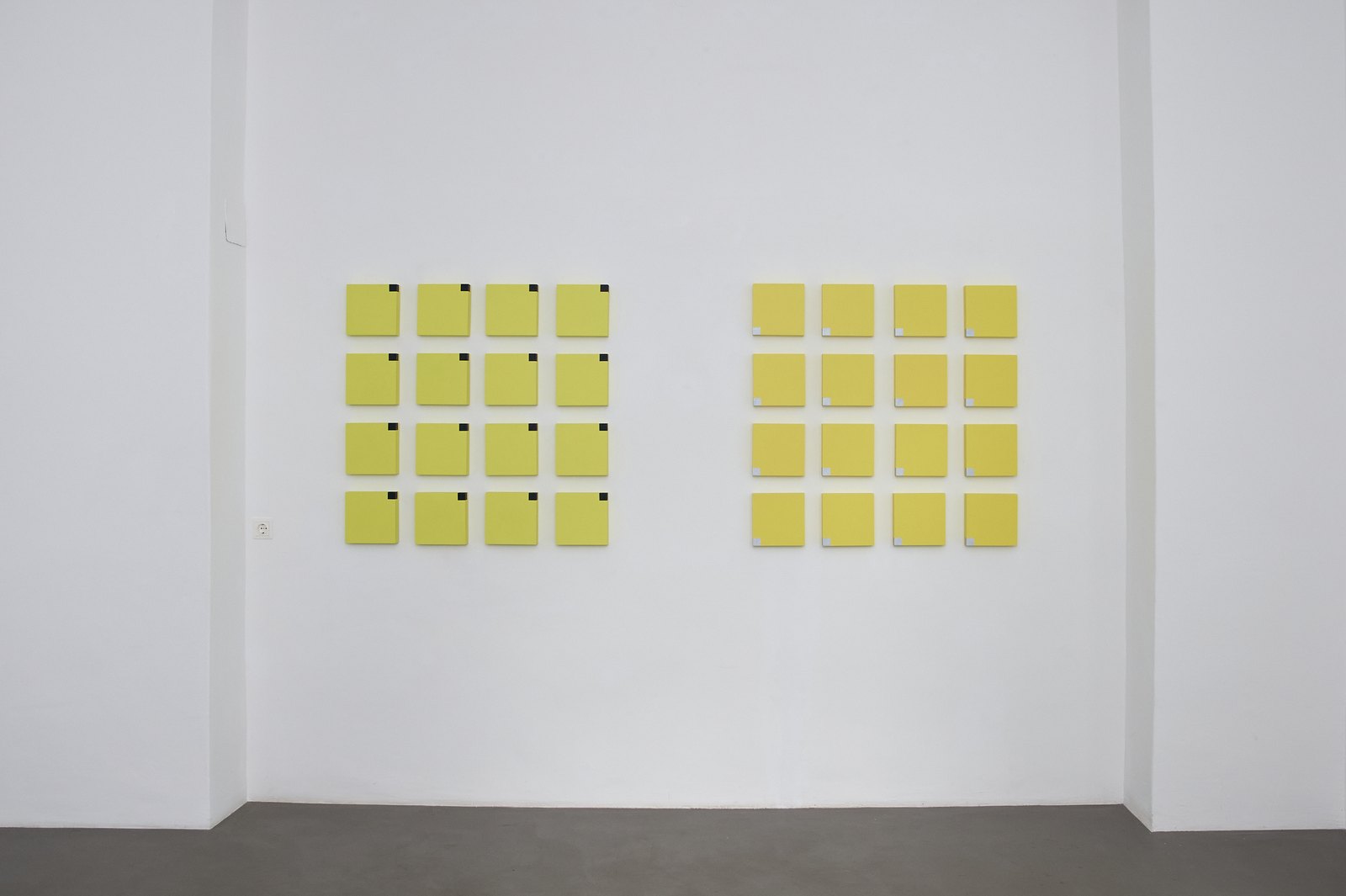
Installation view — acrylic on wood. Photo: Daniel Lichterwaldt
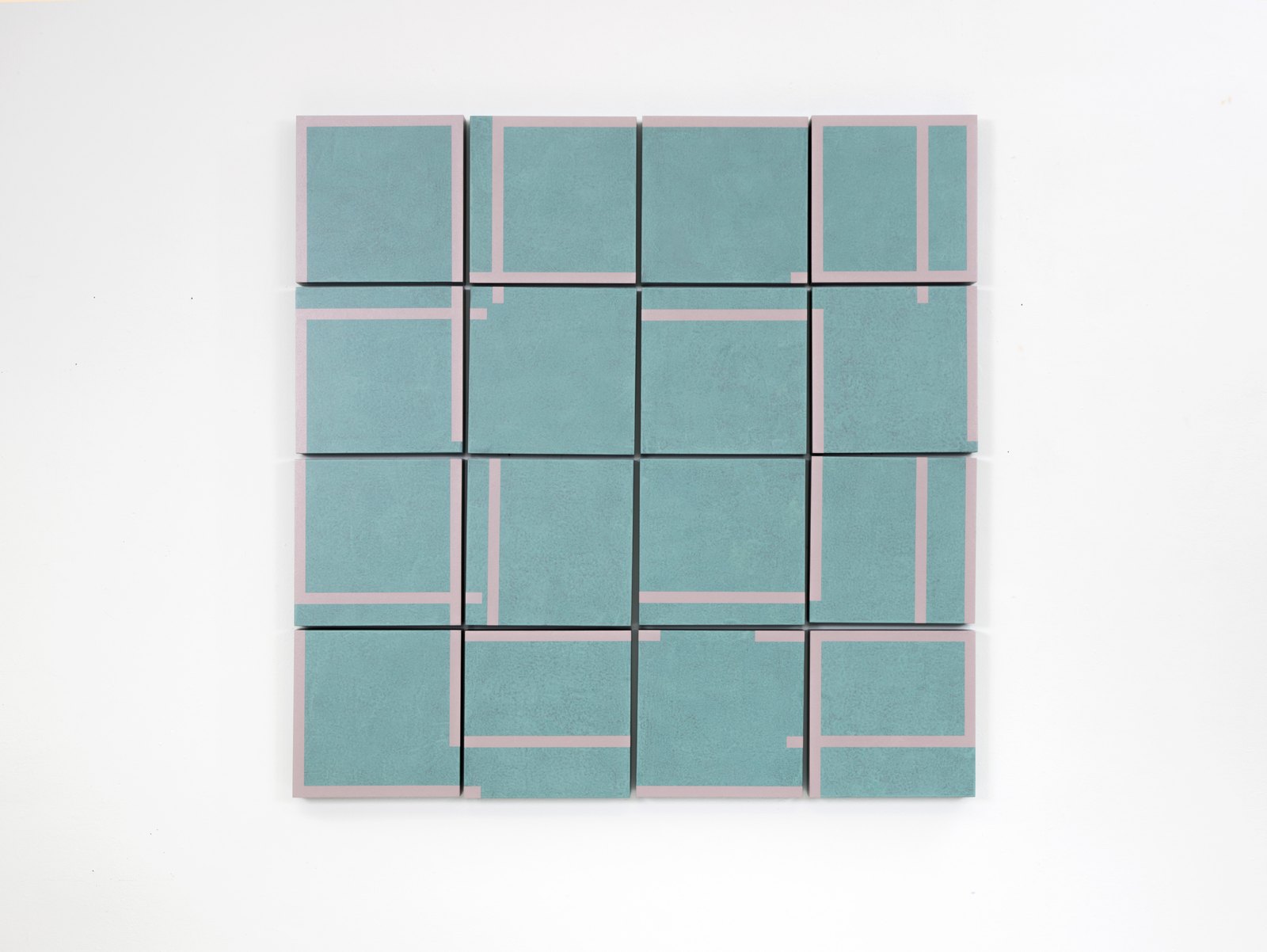
Way or Means, 2025 — acrylic on wood, 16 parts, 123 × 123 × 5 cm
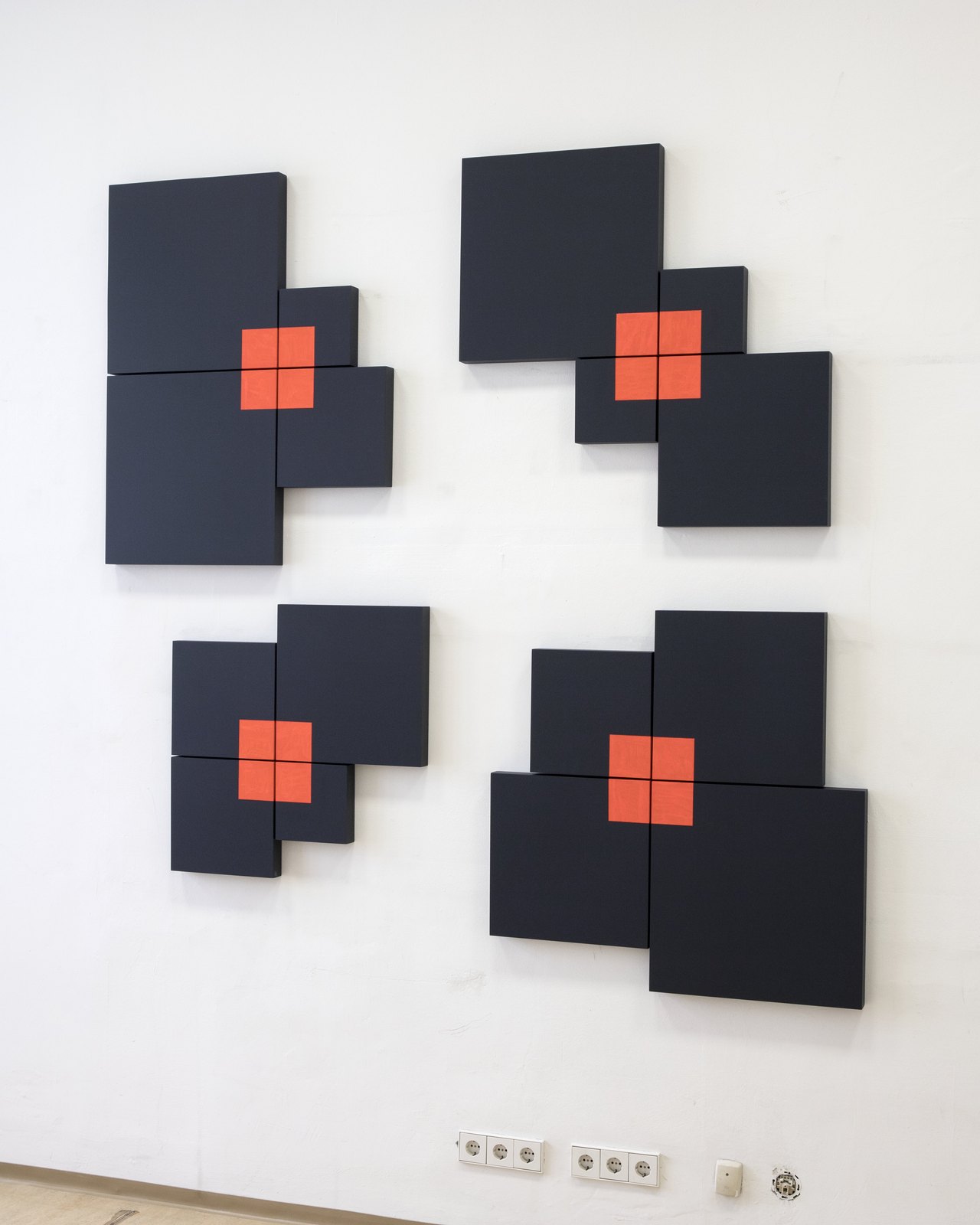
Docking System, 2026 — acrylics on wood, 16 parts, 200 × 200 cm
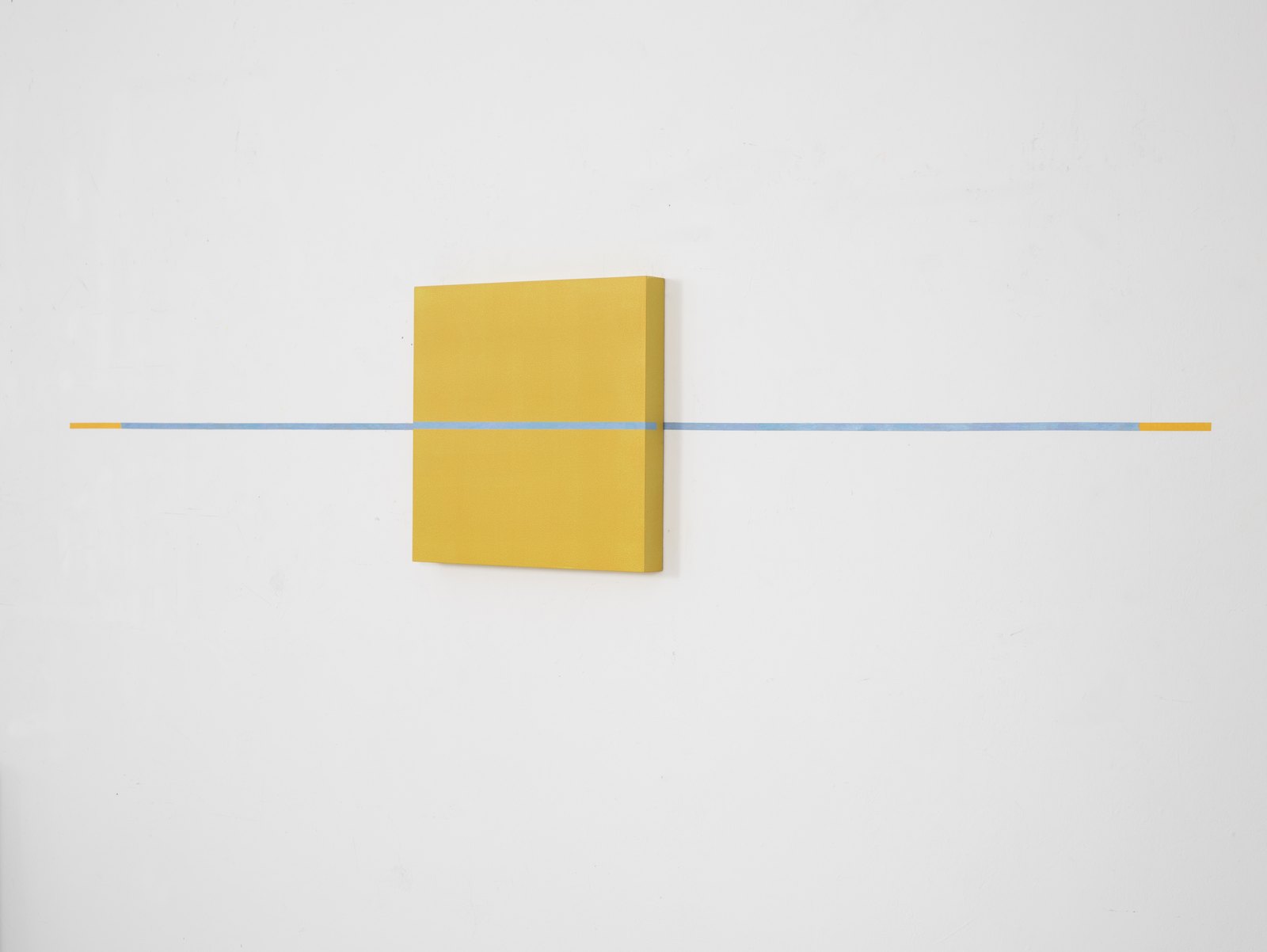
Longing, 2024 — oil, acrylic, wood, tape, 40 × 160 cm
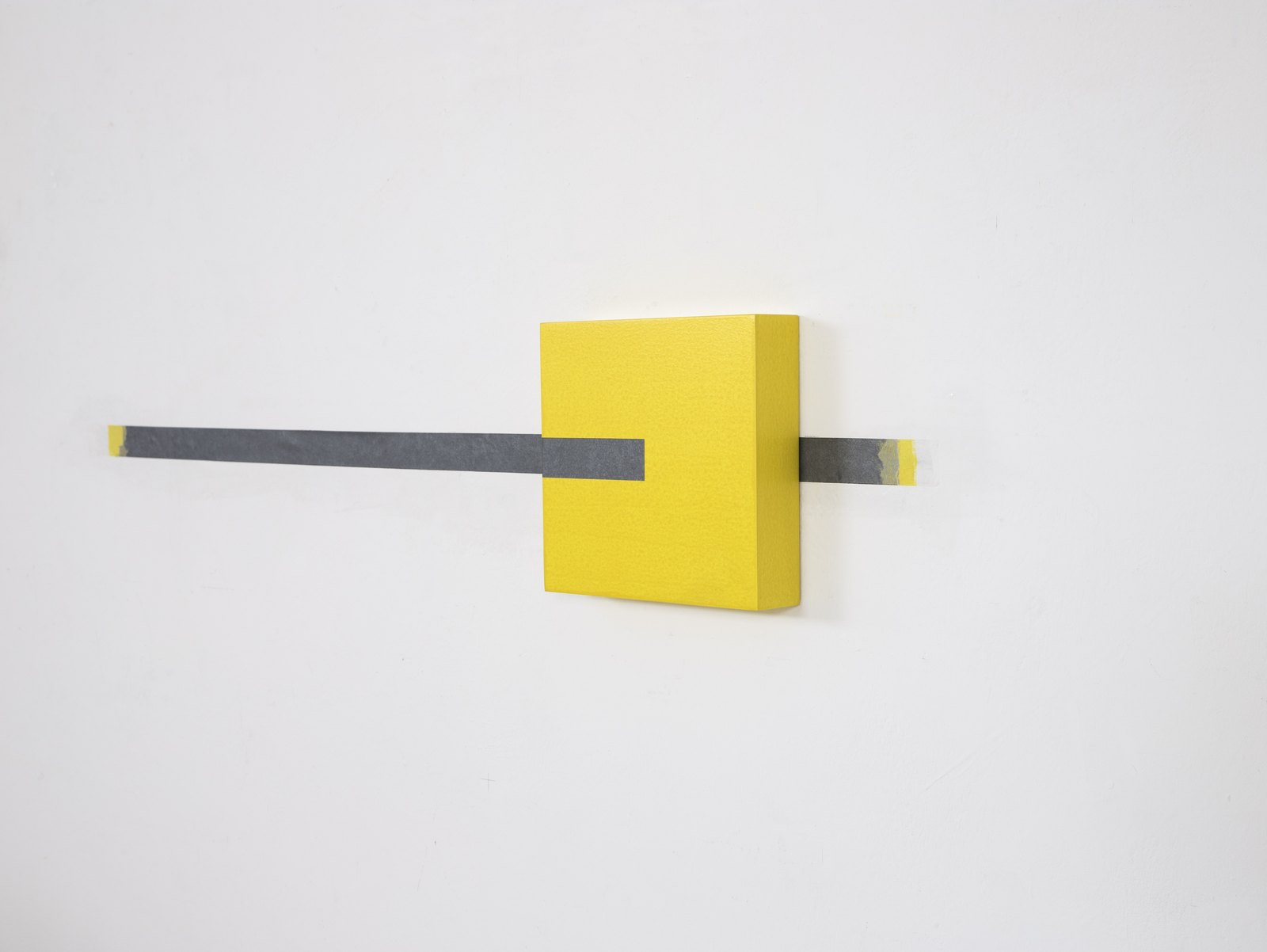
Tape or Fake 02, 2025 — acrylic, oil, wood, 20 × 40 × 5 cm
Q & A
Is geometry a constraint or a freedom for you — and has that answer ever changed?
Geometry is a reduction to the essentials; as such, it underlies every phenomenon. Geometry avoids defining specific content, thereby creating freedom in its interpretation.
Walk us through your process — where does a piece begin, and how do you know it's finished?
In principle, I work conceptually and determine the form, structure, and size of each work or series of works in advance. This may be preceded by a long, sometimes agonizing decision-making process accompanied by experiments with materials. I am interested in the parameters of painting — such as the painting surface, paint application, repeatability, and possibilities for variation. Forms often emerge from observations of interpersonal dynamics and their placement in space. Once the concept is finalized, the ideas are put into practice — an exciting process that sometimes drastically changes the outcome.
Is there something outside of art — a system, structure, or phenomenon — that quietly shapes how you think about form?
Actually, everything in my life influences my thinking. I constantly examine my thoughts, trying to fill them with new experiences and develop them further. Sociological, psychological, and philosophical questions, in particular, can spark my interest. Perhaps it is humanity as such — in its entirety — that interests me.
A second focus is on the parallel nature and competition between the digital and analog spaces: the simultaneity of these spaces and the overwhelming demands that come with it.
What does a viewer miss when they see your work as 'just geometry'?
The space between the forms tells the story. My variable, relatively small-scale forms — which often create broader connections in my works — generate a spatial structure within which the viewer can find a place for themselves and also shift their perspective. The possibilities for combination allow thoughts to flow and, hopefully, to overflow their banks.
What's the last rule you set for yourself in the work, and did you keep it?
The “open” 2-4-8 rule of modulation — and of course, I followed it. Rules form the foundation of my creative process and can be found in every work. I often work according to the “open 2-4-8 principle,” which frequently requires possibilities for modulation. For example, 4×4 sizes, 2 colors, 8 layers, etc.
Describe a failure or a dead end in your practice — something that didn't work.
Each series comes to an end exactly when I think I understand my question (and its solution). It's always a surprise to me.
Newsletter
Curated open calls and one artist to know, every couple of weeks. Free, no spam.