Selected Artist
About
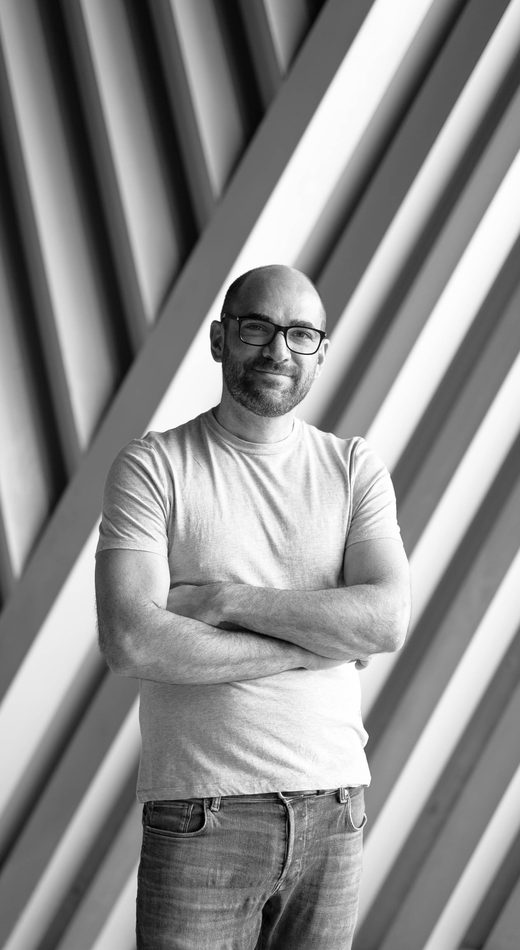
Joan Giner is a French visual artist based in Paris. His work explores the way simple geometric systems can give physical form to complex perceptual experiences. Working with sculpture, light and spatial installation, he creates precise structures that make abstract phenomena perceptible.
Light is central to his practice. It reveals depth, activates surfaces and transforms the reading of each work. Through minimal forms and carefully defined rules, his pieces create situations where perception becomes active and unstable.
His recent sculptural series Unfold reduces this research to its essential form. Each work begins from the unfolded state of a volume. Planes emerge from the surface through subtle tensions, creating forms that shift with natural light. The series approaches time, space, memory, thought and sight as structures, giving them a physical presence through geometry.
Selected works
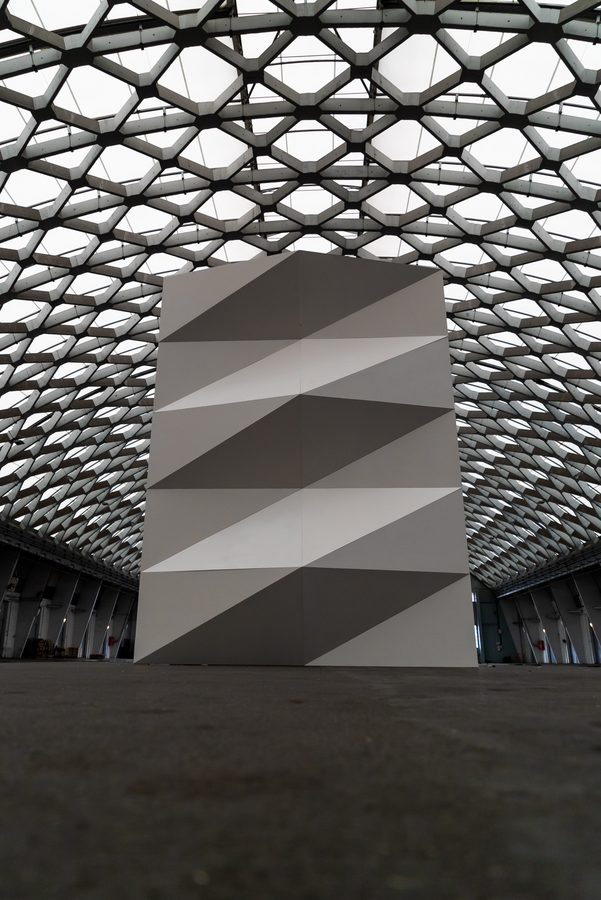
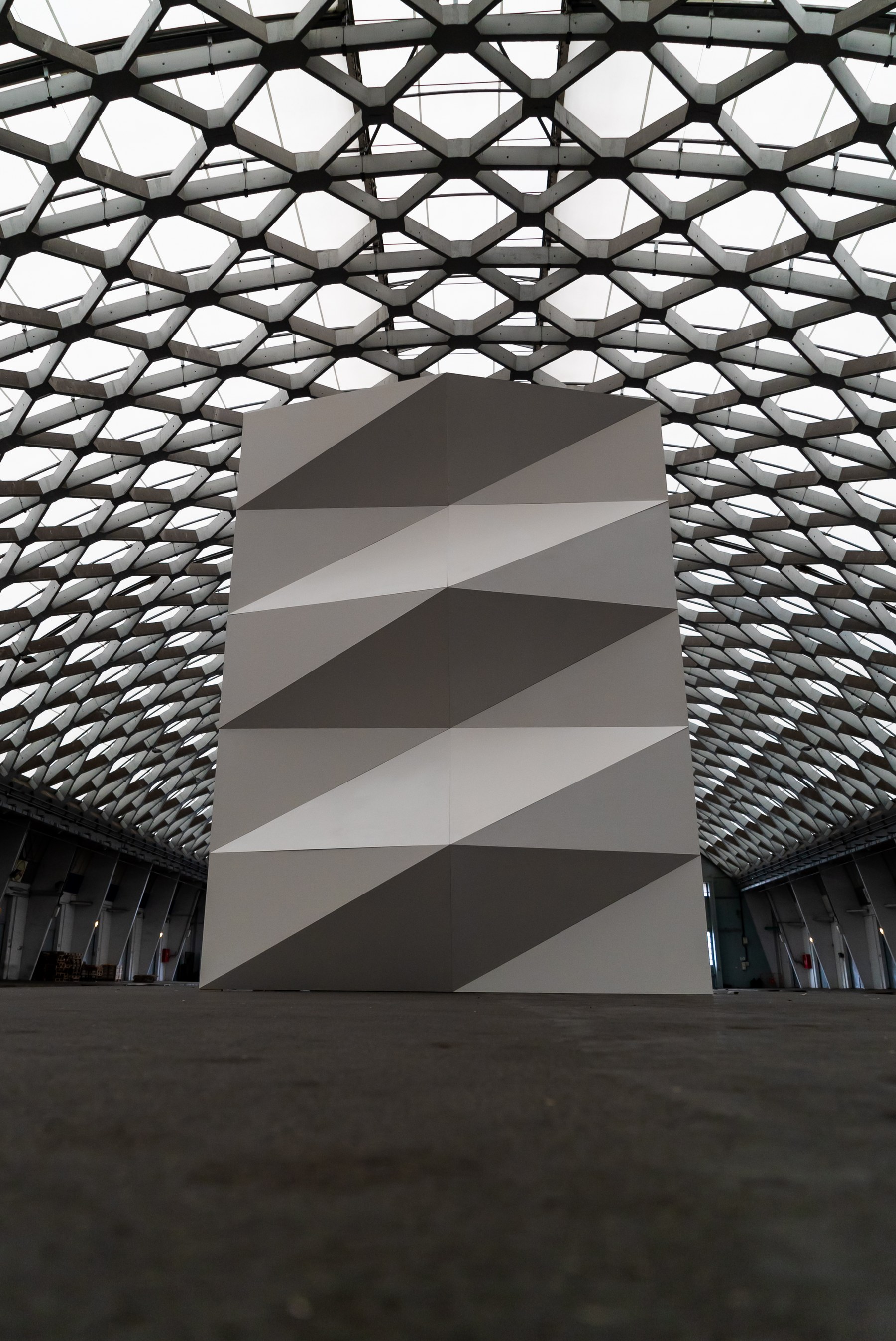
Time Portal, 2020
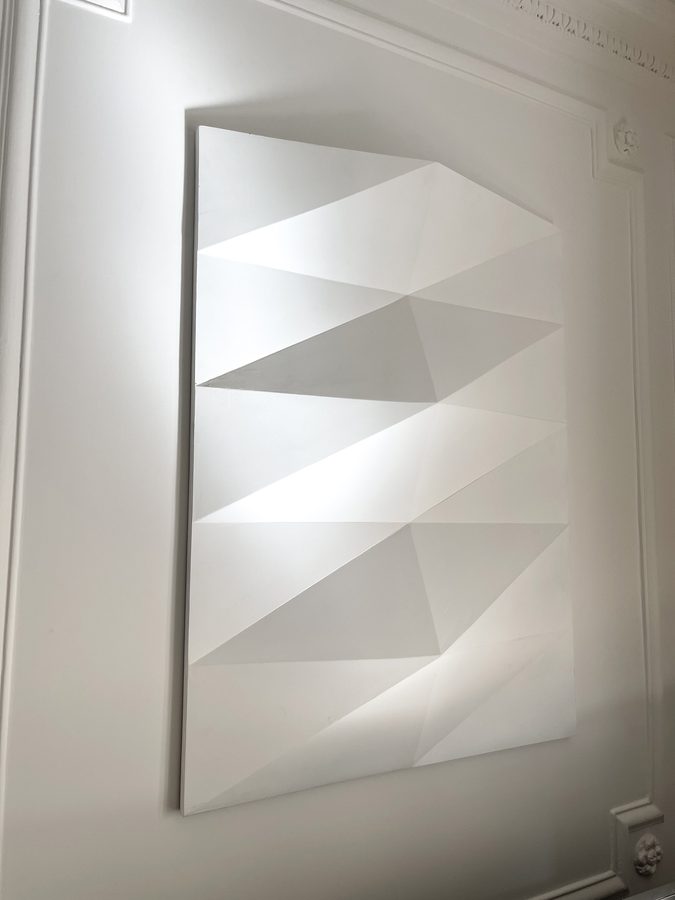
Unfold Time, 2022
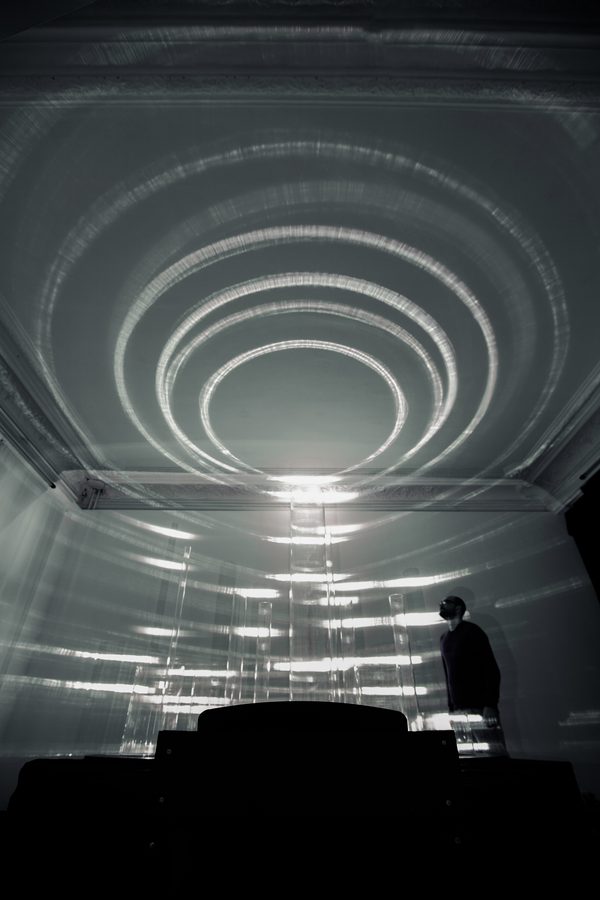
Caustic Ballet, 2023
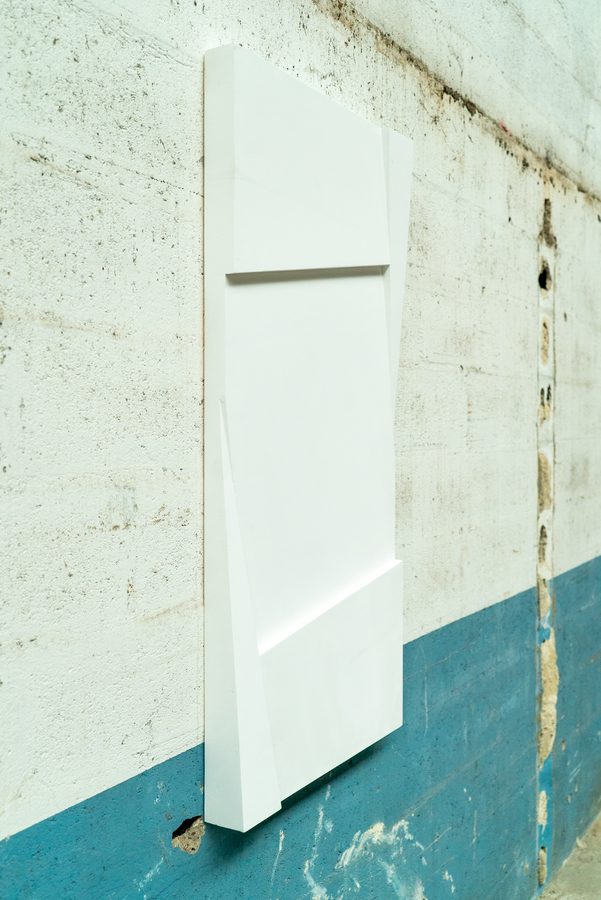
Unfold Feelings, 2025
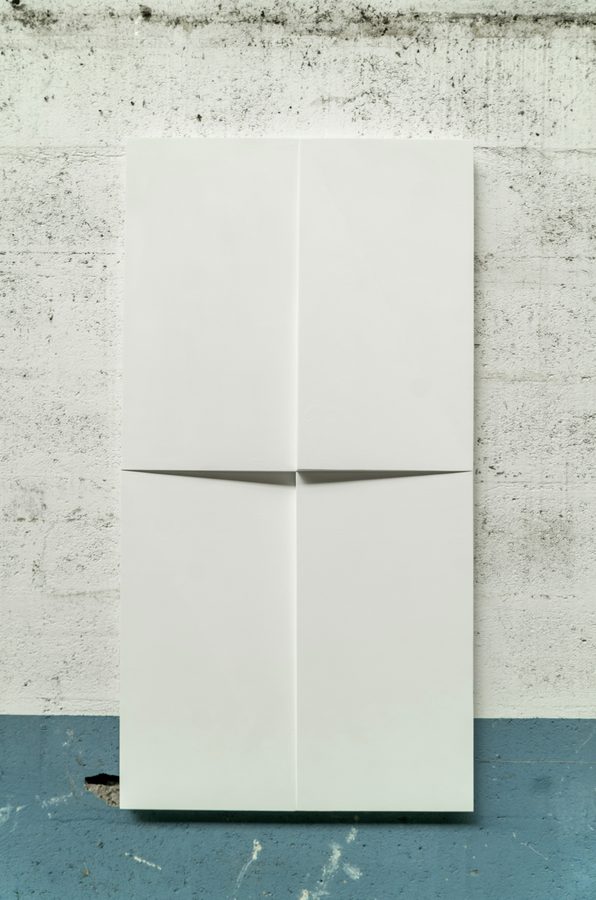
Unfold Space, 2025
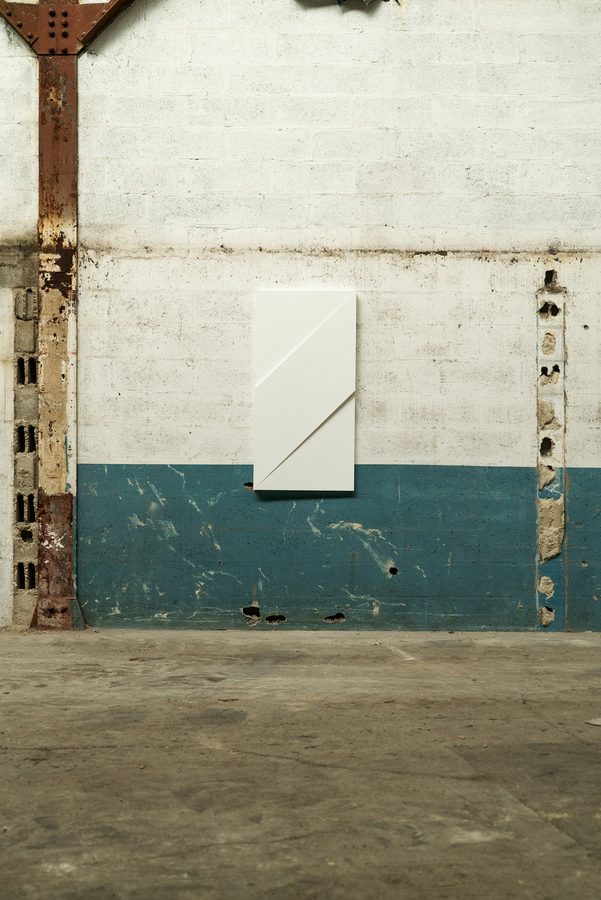
Unfold Thoughts, 2025
Q & A
Is geometry a constraint or a freedom for you — and has that answer ever changed?
Geometry is a form of freedom because it gives experience a structure. A simple rule can open a large field. It allows me to work with very little while keeping the piece precise and active. Over time, I have become more interested in this economy. I have gradually reduced my practice to its essential conditions. This gives me a way to approach complex phenomena with clarity and silence.
Walk us through your process — where does a piece begin, and how do you know it's finished?
A piece often begins with a phenomenon I want to give form to. I look for the simplest structure that can hold that experience. For Unfold, I start from the unfolded state of a volume. The work develops through small decisions until the form becomes necessary. A piece is finished when it becomes quiet and precise. When each element has a role, and the work can keep changing with light without needing anything more.
Is there something outside of art — a system, structure, or phenomenon — that quietly shapes how you think about form?
I am interested in the structures that shape perception before we become fully aware of them. Physical phenomena, mental structures and relational systems influence the way I think about form. I often observe how a simple condition can produce a complex situation. These systems guide my work quietly. They help me understand form as something active, something that appears through relation and time.
What does a viewer miss when they see your work as 'just geometry'?
Geometry is the visible structure of the work. Through it, the piece creates an experience of perception. When a simple surface becomes active through light, the form appears slowly, changes with the viewer’s position and gives physical presence to an abstract experience. My work invites a shift from recognition to attention.
Newsletter
Curated open calls and one artist to know, every couple of weeks. Free, no spam.