Selected Artist
About
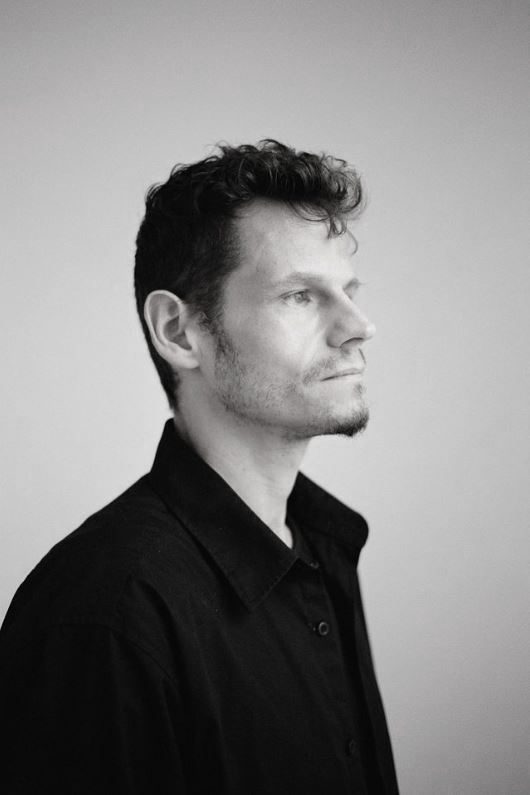
Rado Hrcka is an interdisciplinary artist exploring the intersection of matter, geometry, and sonic texture, based in Prague. He perceives the world as a convergence of matter and frequency.
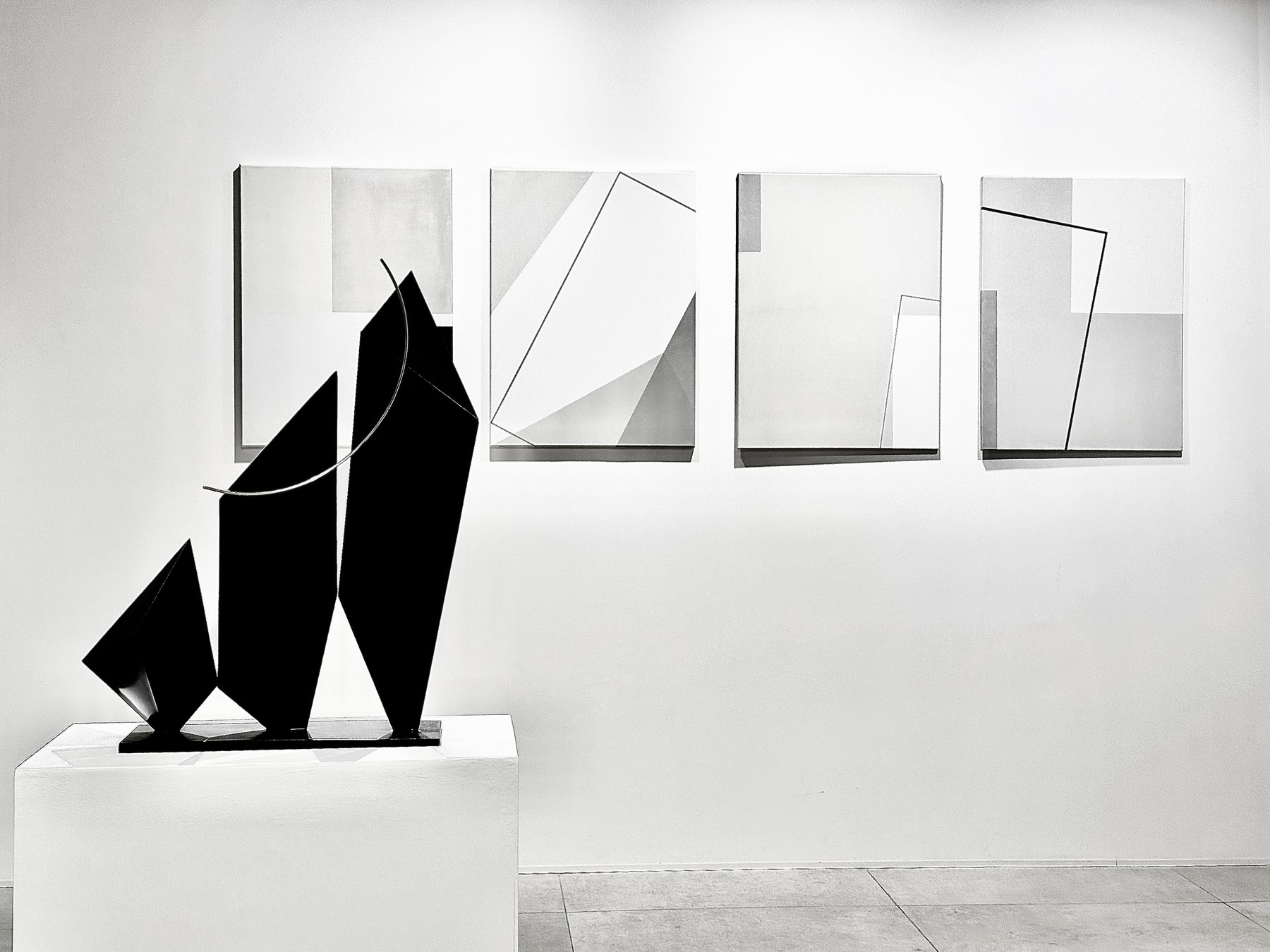
In an era of visual saturation and transient stimuli, Hrcka chooses the path of deceleration — constructing atmospheric systems where acrylic geometric abstraction meets ambient soundscapes. He does not approach painting and music as separate disciplines, but rather as parallel frequencies of the same spatial investigation, treating both media as fundamental tools for defining space.
His work serves as a counterbalance to the visual noise of modern life, inviting the viewer into a zone of structural resonance. His long-term objective is to create an immersive environment where geometric form on canvas and sonic architecture dissolve into a single, interconnected whole.
Selected works
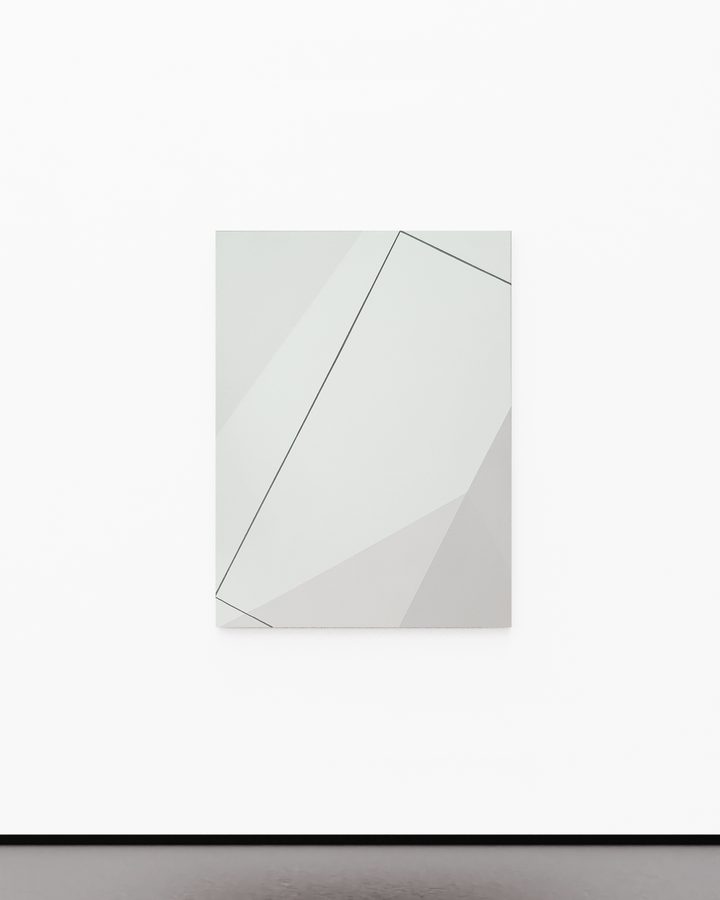
Re-Frame 01, 2025, acrylic on canvas, 80×60 cm
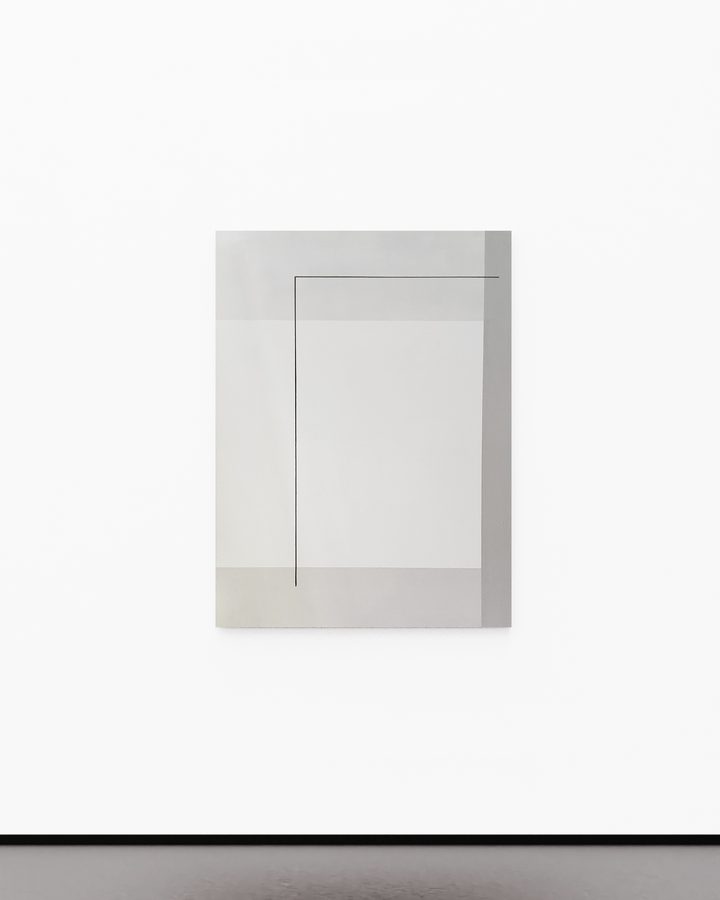
Re-Frame 03, 2025, acrylic on canvas, 80×60 cm
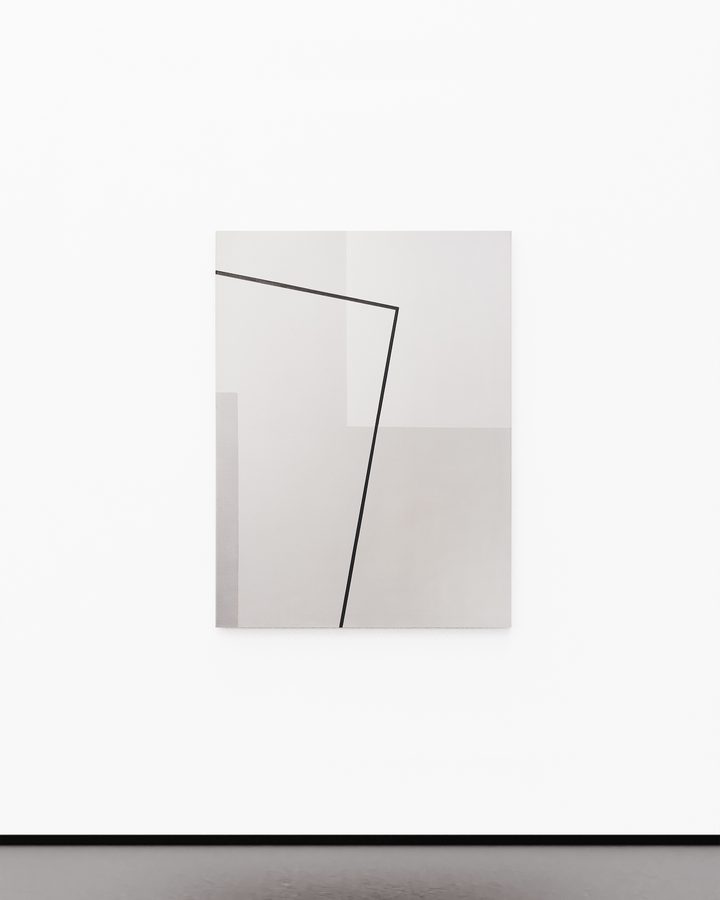
Re-Frame 04, 2025, acrylic on canvas, 80×60 cm
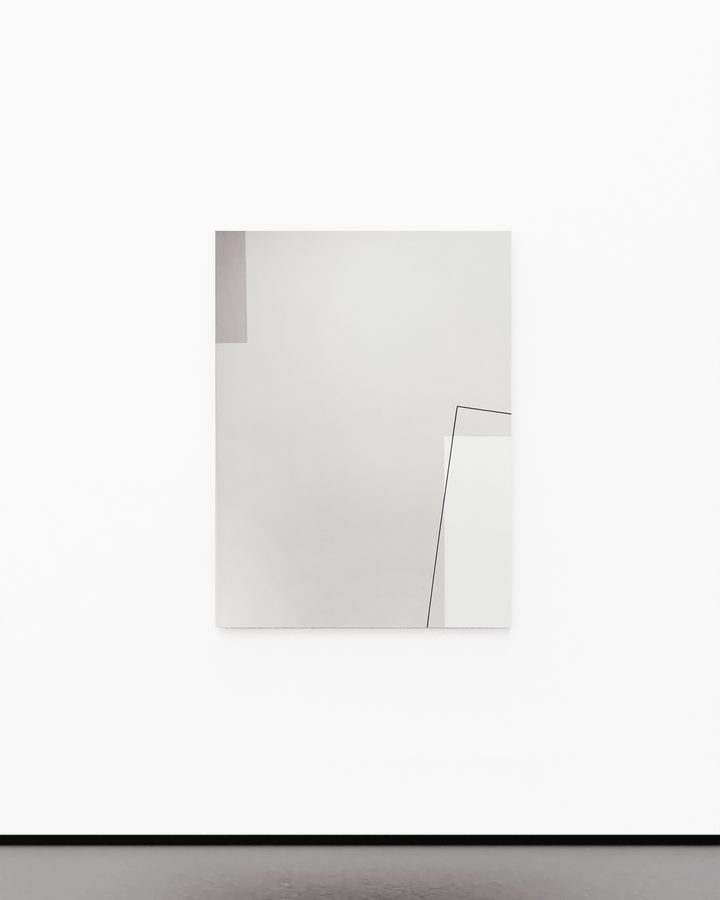
Re-Frame 05, 2025, acrylic on canvas, 80×60 cm
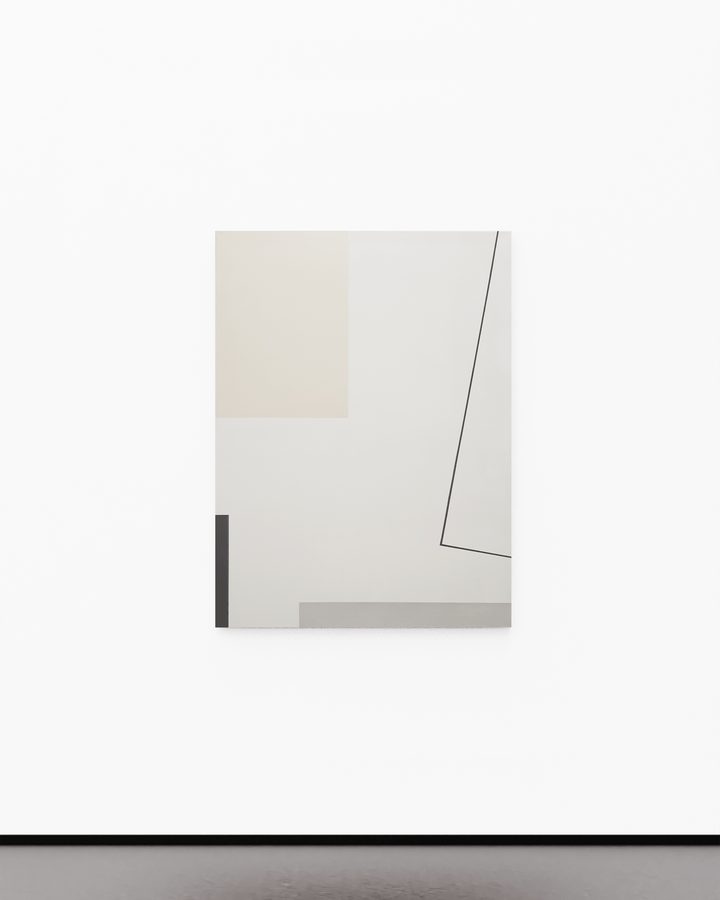
Re-Frame 06, 2025, acrylic on canvas, 80×60 cm
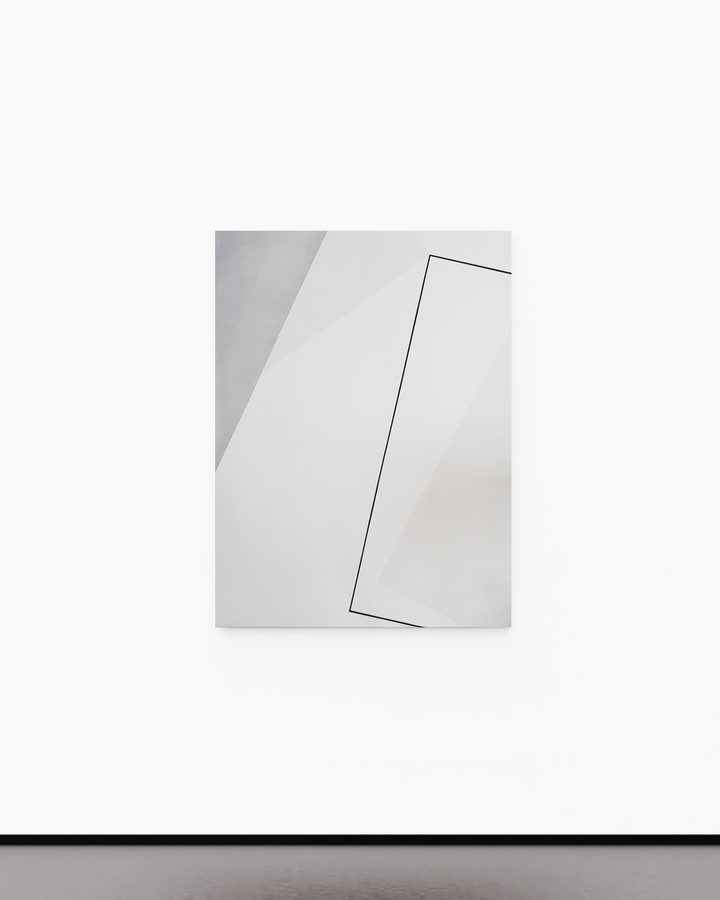
Re-Frame 07, 2025, acrylic on canvas, 80×60 cm
Q & A
Is geometry a constraint or a freedom for you — and has that answer ever changed?
For me, geometry is a way to create systems and compositions in an infinite world of chaos and noise. It is precisely in this structured exploration that I find true freedom. I believe that true artistic freedom does not lie in the absence of rules; it is rooted in discipline and an inner need to bring meaning to the boundless chaos of our everyday reality. So no, it has never been a limitation for me—geometry is the framework that allows my freedom to exist
Walk us through your process — where does a piece begin, and how do you know it's finished?
Every work begins with a sense of inner pressure - a hidden idea that demands release. I start by improvising: sketching, arranging, and rearranging patterns into simple systems until they feel right to me. At the same time, I compose music that serves as a direct sonic imprint of the very structures I’m exploring on the canvas. After a while, I step back, look at the sketches, and select the ones that still resonate with me so I can move on to the painting phase. That’s where the whole process of refinement begins anew. I’m never entirely sure when a work is finished. Instead of asking myself if it’s finished, I ask: Does it still resonate with me? Only when the answer is an unequivocal yes do I know it’s finished.
Is there something outside of art — a system, structure, or phenomenon — that quietly shapes how you think about form?
The overwhelming chaos and hyperstimulation of the modern world. My work is a direct response to that noise—an attempt to translate external overload into geometric order. Architecture and music are my structural anchors in this process. Architecture teaches me how to define space, balance proportions, and build a rigid framework. Music, which I create simultaneously with my paintings, provides the internal rhythm and discipline. Both fields require a strict curatorial instinct: the freedom to create, but the restraint to filter out the clutter. Creating order out of chaos is my greatest challenge, and geometric art is simply my way of sculpting that chaos into pure form.
What does a viewer miss when they see your work as 'just geometry'?
Sometimes the tedious process through which these shapes are stylized into a cohesive, definitive composition. This journey is filled with thousands of decisions, discarded ideas, and moments of utter confusion—times when one gets completely stuck trying to solve a complex spatial problem. Minimalism can be deceptive. What the viewer perceives as a simple, clean line is actually the result of many, many hours of mental and physical labor. They see tranquility, but they miss the battlefield that preceded it.
What's the last rule you set for yourself in the work, and did you keep it?
The rule of resonance. If an idea or a composition still resonates with me after a long period of time, then I know it's right. If it doesn't, I shouldn't hesitate to discard it and move on to something else
Describe a failure or a dead end in your practice — something that didn't work.
Underestimating my rule of resonance. Every time I ignored it, it failed. Always. :)
Newsletter
Curated open calls and one artist to know, every couple of weeks. Free, no spam.