Selected Artist
About
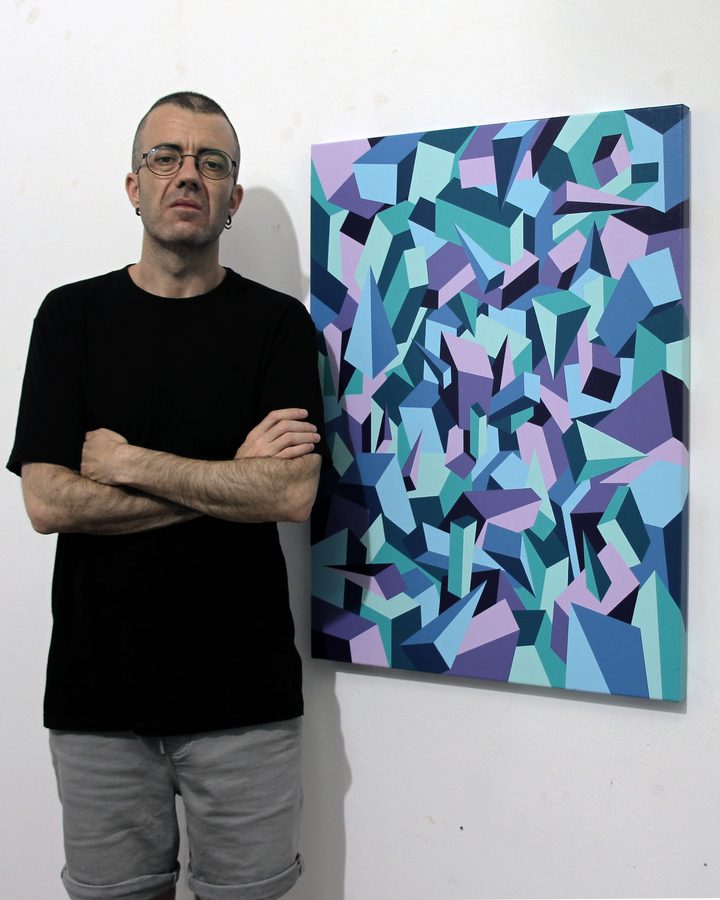
Visual artist and audiovisual producer, Víctor Cano graduated in Fine Arts between the Universidad de Barcelona and the Hochschule für bildende Künste in Hamburg, where he specialized in image and sound. From an abstract and metaphysical perspective, his work is the result of a strong visceral feeling towards the chaos of the smallest - and the greatest - as something present in our daily life, but invisible to our senses and conscious perception.
His artistic practice stems from an inborn multidisciplinary approach and a perspective that looks both inward and toward the universal. Victor understands geometry as a language itself: the language of the cosmos. Through his work, he explores forms as patterns that underlie the universe and creates spaces of contemplation and visual stimulation, where geometric shapes, colors, textures and light as main elements invite the viewer to enjoy beauty as a visual phenomenon, but also to question that things are not always what they seem.
He has participated in large collective and individual exhibitions in his region, but begins to open his doors to the idea of showing his work in other countries. He currently lives and has his studio in the city where he was born, Barcelona.
Selected works
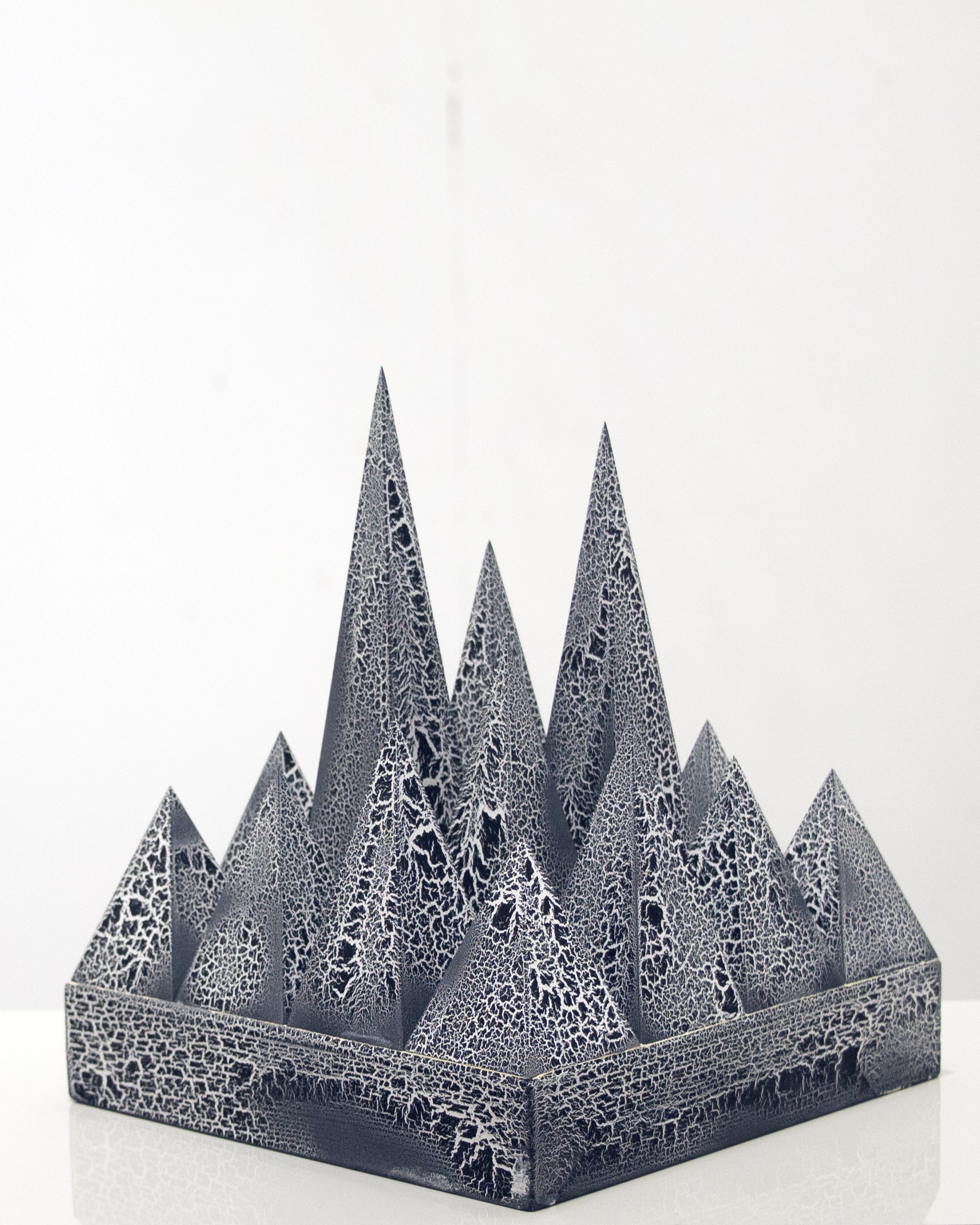
Series 16, No. 1 — acrylic on plywood, 20 × 20 × 18 cm, 2024
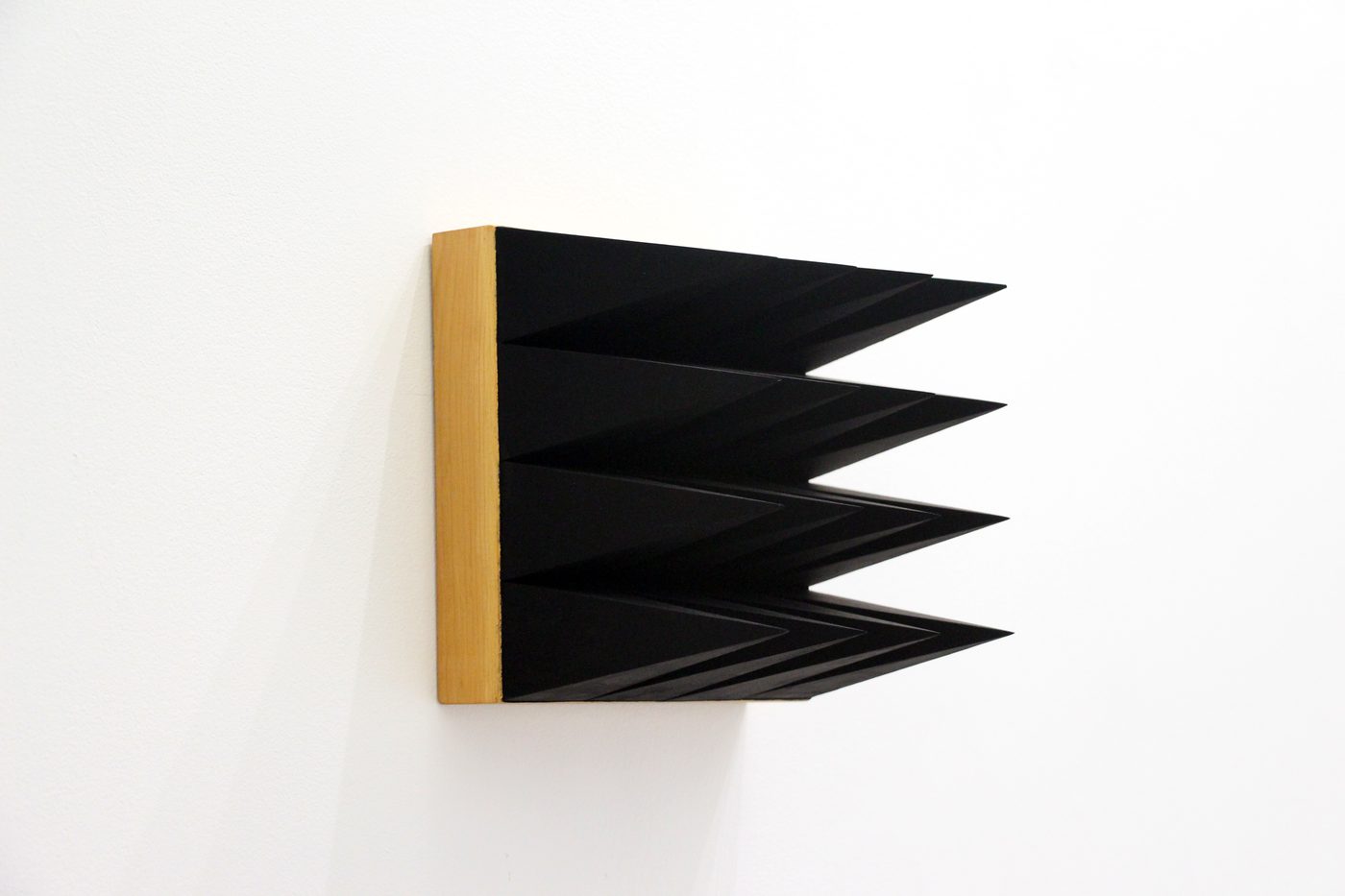
Series 16, No. 15 — acrylic & resin on plywood, 20 × 20 × 13.5 cm, 2025
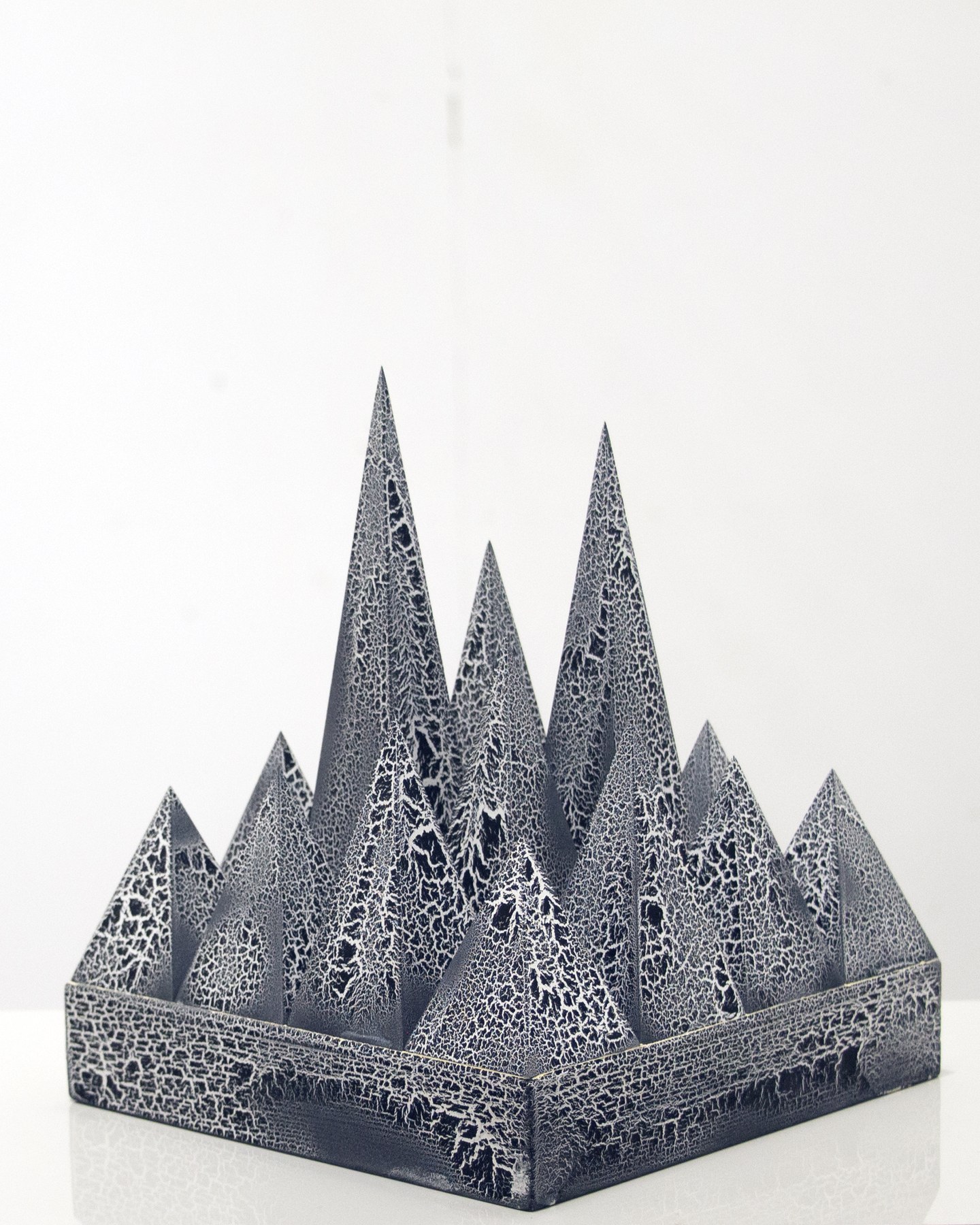
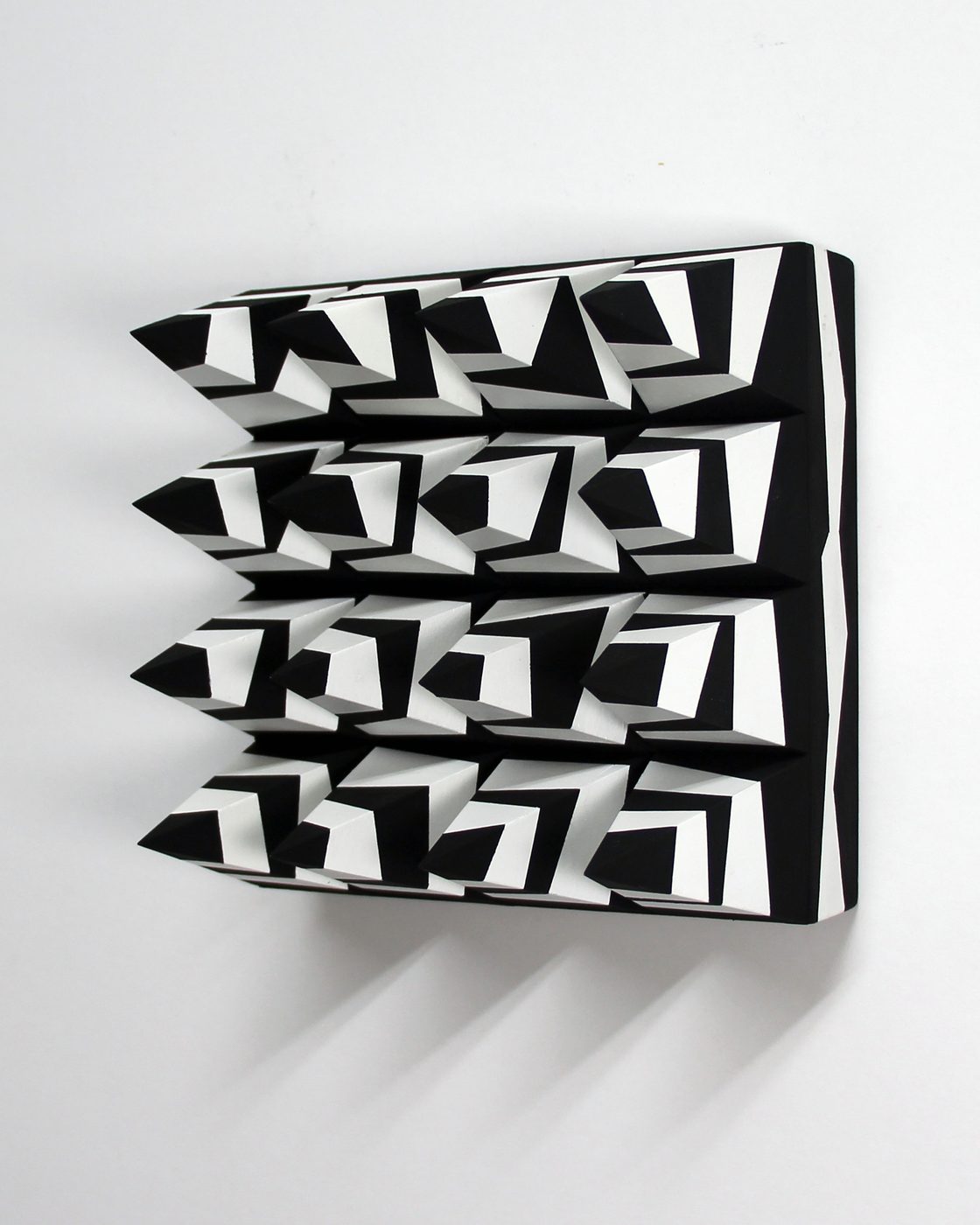
Series 16, No. 21 — synthetic paint on plywood, 20 × 20 × 22 cm, 2025
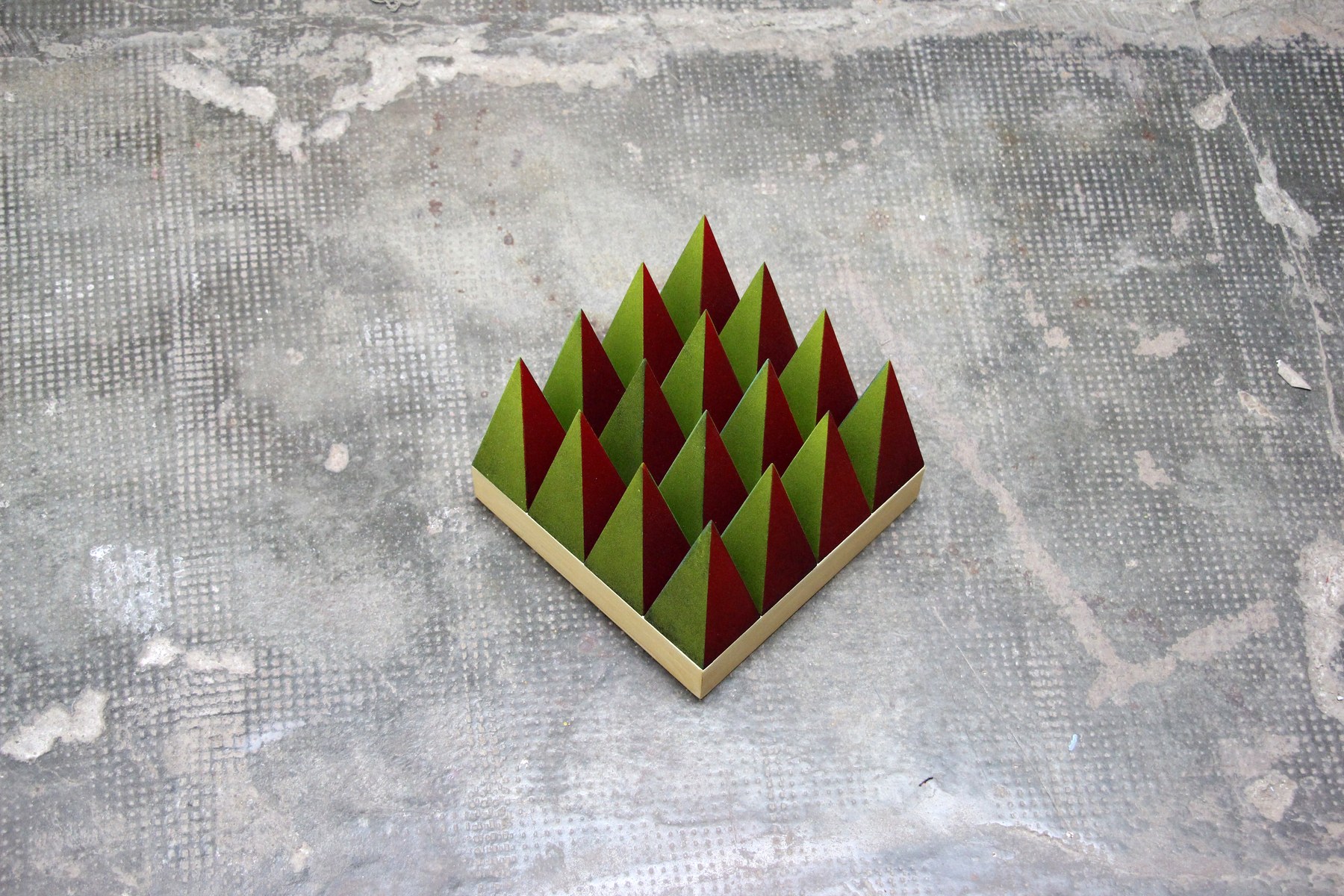
Series 16, No. 23 — synthetic paint on plywood, 20 × 20 × 14 cm, 2025
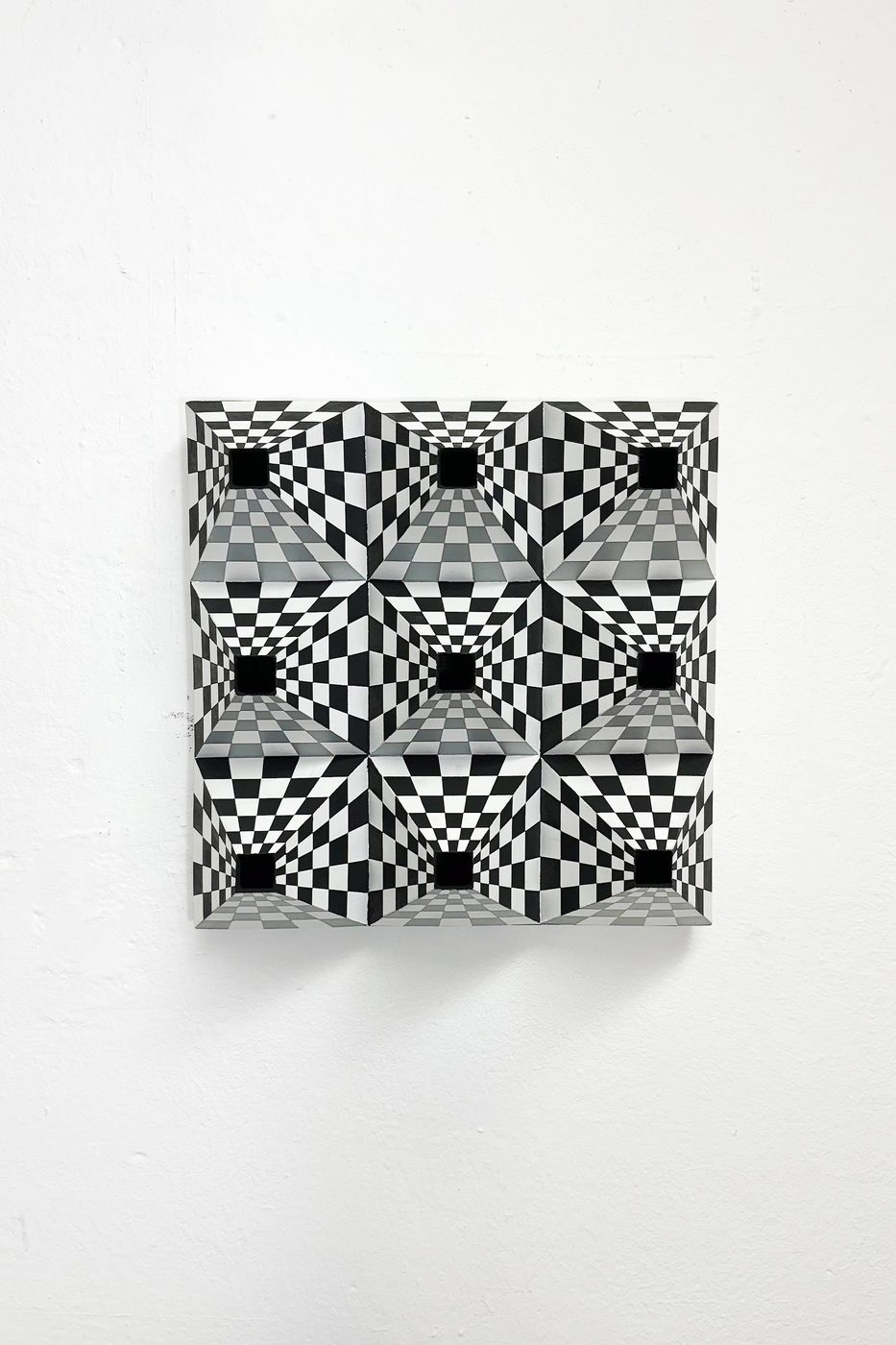
In-Dimension (Series -IN) — acrylic on plywood, 30 × 30 × 13 cm, 2024
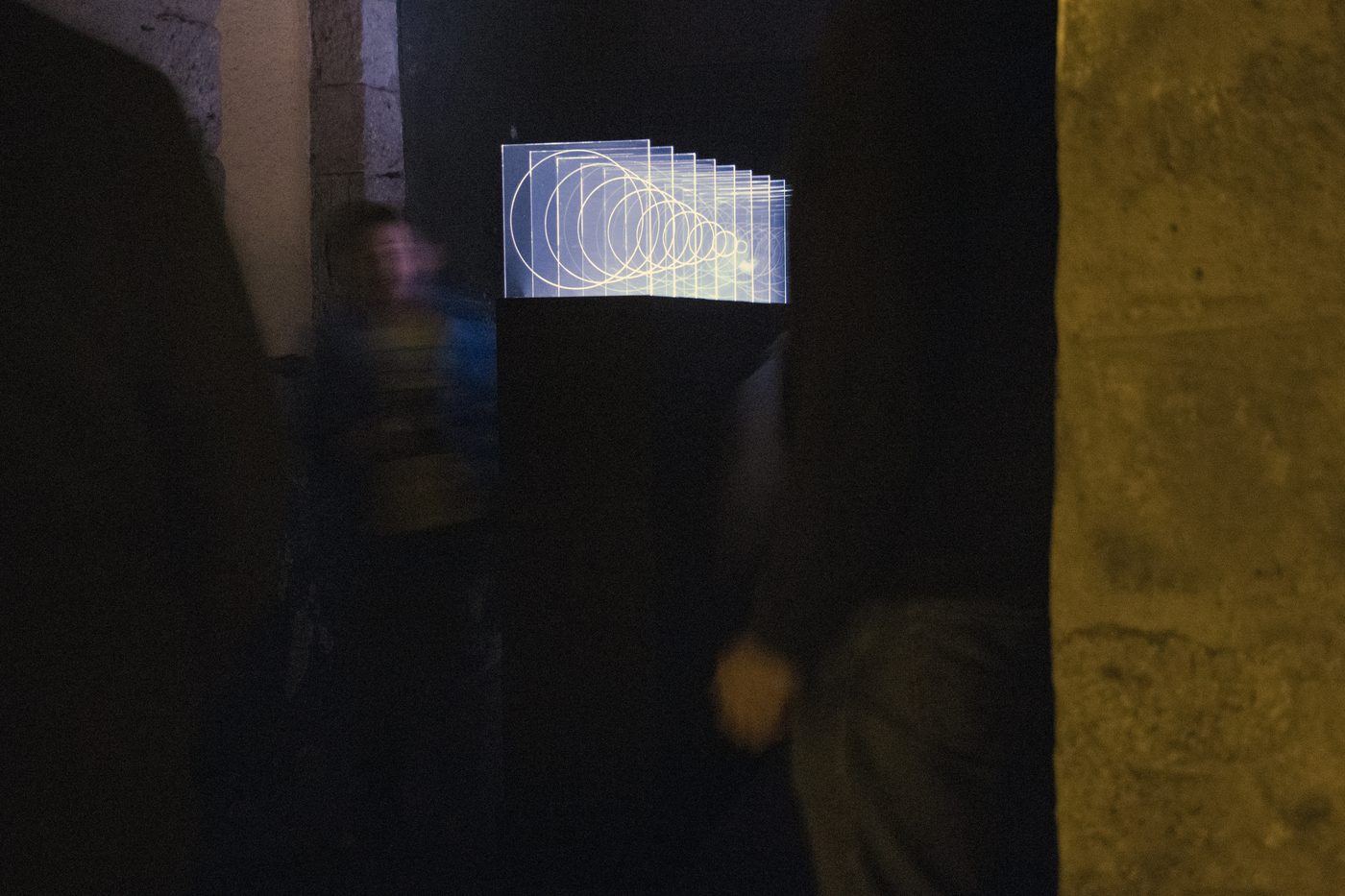
In-Material II — plywood, methacrylate, LED & Arduino, 150 × 130 × 33 cm, 2019
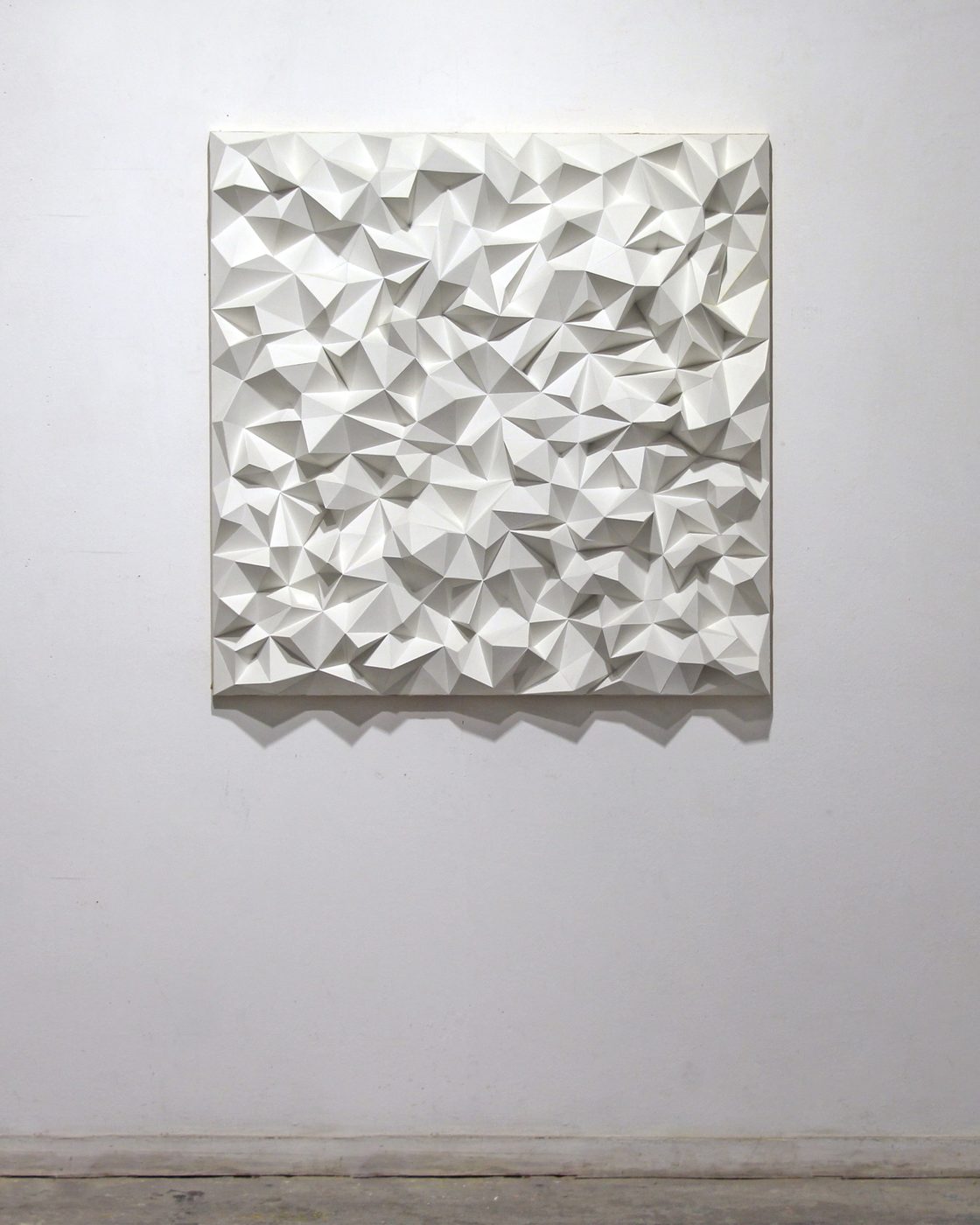
Microcosmos No. 1 — enamel on cardboard, 100 × 100 × 13 cm, 2020–2024
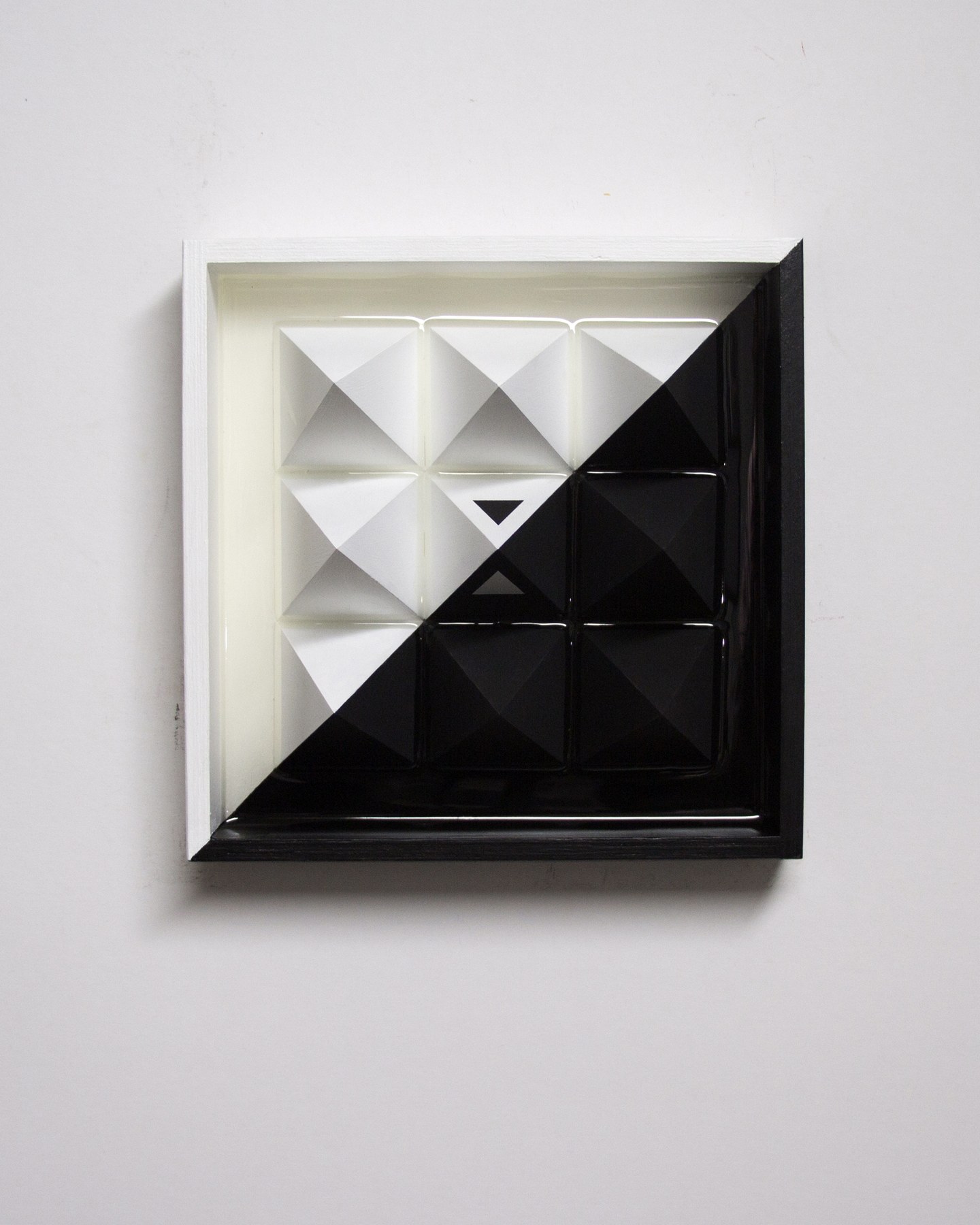
Yin Yan — acrylic & resin on plywood, 20 × 20 cm, 2026
![Víctor Cano — Series Sintropic [XX·XX·XX·XX]](../../artists-preview-assets/works/Victor_Cano_Toledo__SINTROPIC.jpg)
Series Sintropic [XX·XX·XX·XX] — acrylic on canvas, 100 × 100 cm, 2026
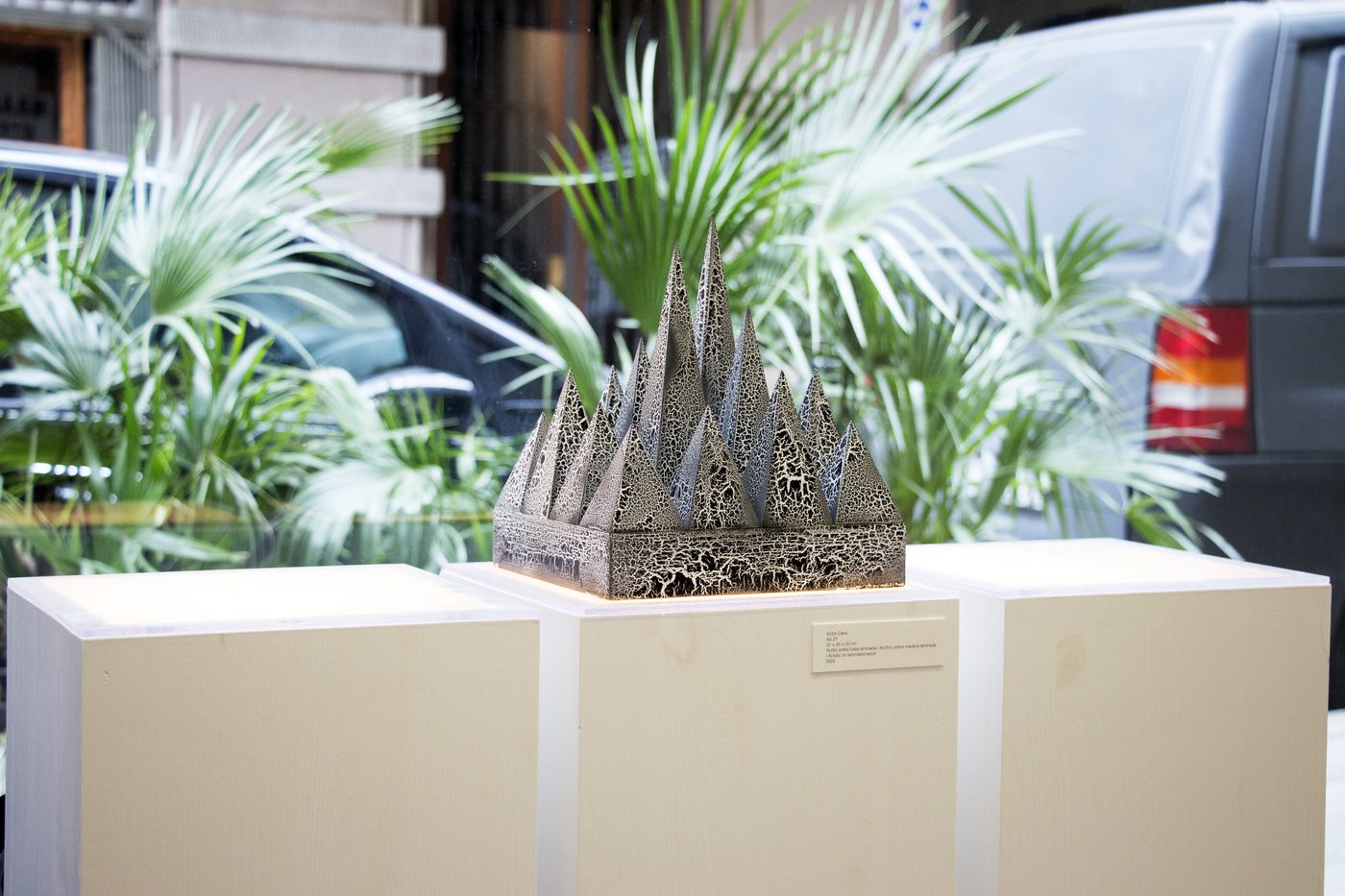
Blind Spots — solo show, Mono 30, Barcelona, 2026
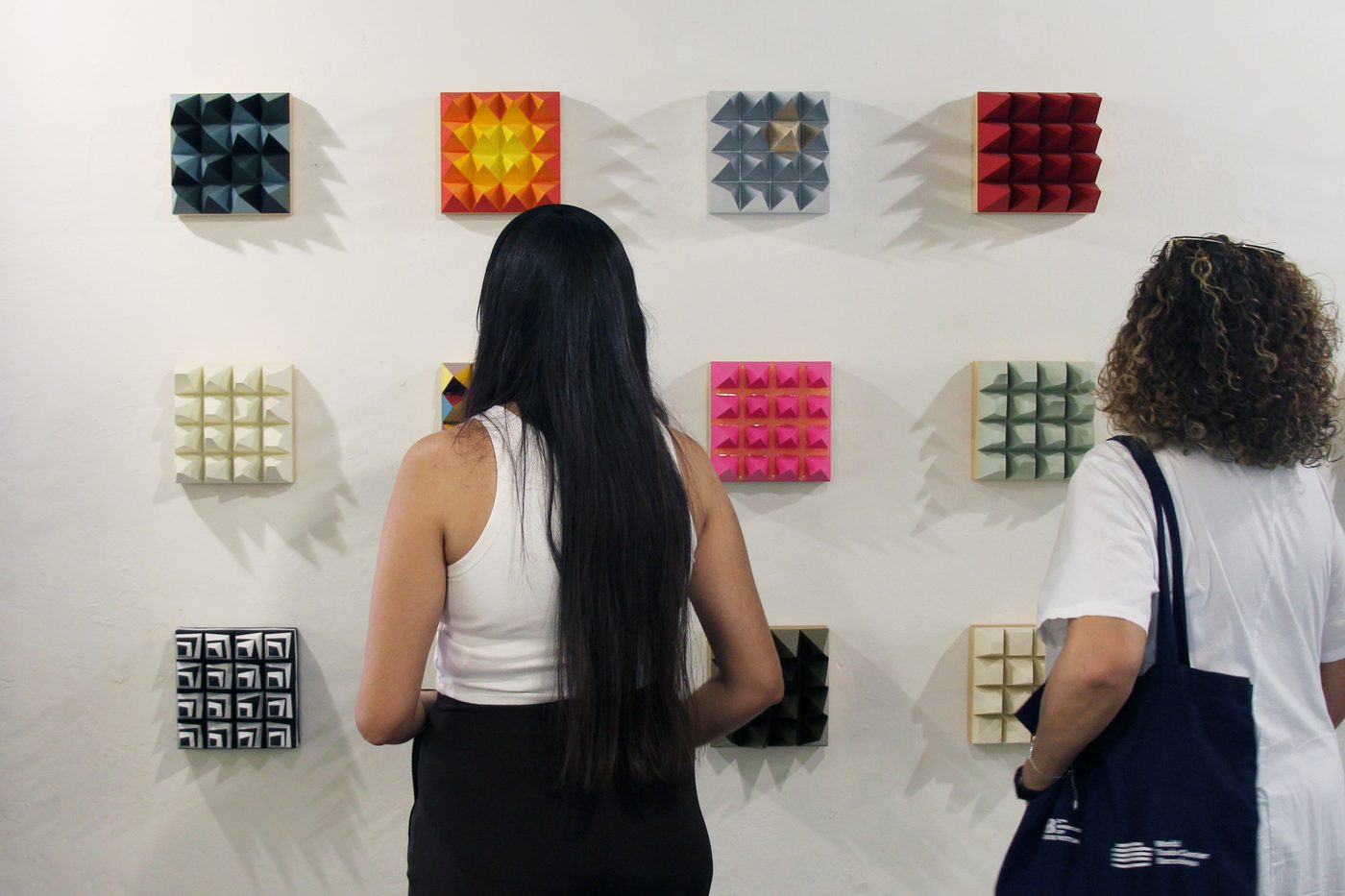
Windows Art Circuit (WAC) — collective exhibition, La Plataforma, Barcelona, 2025
Q & A
Is geometry a constraint or a freedom for you — and has that answer ever changed?
That’s actually a good but also a difficult question. Never has anyone asked me that with that accuracy, but I actually ask myself quite frequently. I believe that in my inner self, geometry starts with a constrained feeling that could be close to a kind of anguish. This feeling belongs also to the dichotomy or contradiction of chaos and order, which is present many times in my artistic practice. But not long ago I started to understand that in the process of making visual my inner chaos through geometry, it is becoming a way to understand symbolically some of this chaos, to ultimately reach a calm and a freedom state.
Walk us through your process — where does a piece begin, and how do you know it's finished?
Creative process is for me one of the most important things while we create. My ideas start with "mind explosion moments", like an "eureka!". Most of these moments, curiously, are when I’m in bed almost asleep. Science says these are our most creative moments because of theta waves. I pitifully got up from bed and draw, otherwise I have a risk of not remembering anything the day after. But of course there are also other “eureka” moments. I relate most to high creative activity those days I’m more introspective, doing research, etc. Then, after having the main idea, the funniest thing starts, which is to materialize the whispers of the universe. In the process, conflicts frequently emerge, inherently constituting part of the final outcome. Despite numerous changes from start to finish, many of my projects follow a clear mind structure that minimizes conflicts to put an end. That doesn’t mean that I sometimes struggle with endings.
Is there something outside of art — a system, structure, or phenomenon — that quietly shapes how you think about form?
Absolutely. Between science and philosophy. I am completely obsessed with the concept of “the invisible” while thinking about the microcosmos. Also, related to an analogy between micro-macro, but is “the smallest”, as something non-visible that surrounds and explains us in some ways, what is more connected with my deepest intuitive interests and inspirations. While thinking about small universes and translating them into art, I am not necessarily inspired by concrete patterns, systems or structures. But it might be something that could work for me in the future, because there was a time when I started to hear the whispers to do so. Nowadays my main inspiration is Jacobo Grinberg.
What does a viewer miss when they see your work as 'just geometry'?
I could say they miss half of the story. I believe we can state that geometric art is something very attractive to the eye; the forms, the colors, the shapes, all become an aesthetic massage for the sense of sight. But there is a story behind every artwork, a subjective story that resonates with each viewer's unique perspective. The problem with our accelerated lives nowadays, is that we have lost the ability to contemplate, we have lost the ability to hold the silence of a concrete moment that will give us information. So, if someone’s says ‘just geometry’, I will understand they haven’t ‘looked’ enough.
What's the last rule you set for yourself in the work, and did you keep it?
Actually, I follow a lot of rules, even if I don’t like to recognize it sometimes. Of course, I do flow also, it depends on the moment. I believe I have enough flexibility to break my own rule if I see something doesn’t work. For example, talking about the actual paint I’m working on; at the beginning, as a rule, I decided not to repeat any color on any form, but once started, I realized it was technically very very difficult, as I found there were more than 300 forms on the geometric drawing I made on the canvas. I tried it, and I started to suffer from its complexity. Then I decided that I preferred to flow this time while choosing the colors because those negative feelings were going to affect the final result in a wrong way. But I got to say that even if my auto-proposal is very difficult, sometimes I go until the end.
Describe a failure or a dead end in your practice — something that didn't work.
It happens a lot when I realize that, even if we can control materials in a certain way, it’s the material that has the final word. I want to mean that many times it happened to me that I wanted to achieve something, but after trying I realized that the material was not giving me that possibility.
Newsletter
Curated open calls and one artist to know, every couple of weeks. Free, no spam.